

Категории
Сменить пароль!
Сброс пароля!


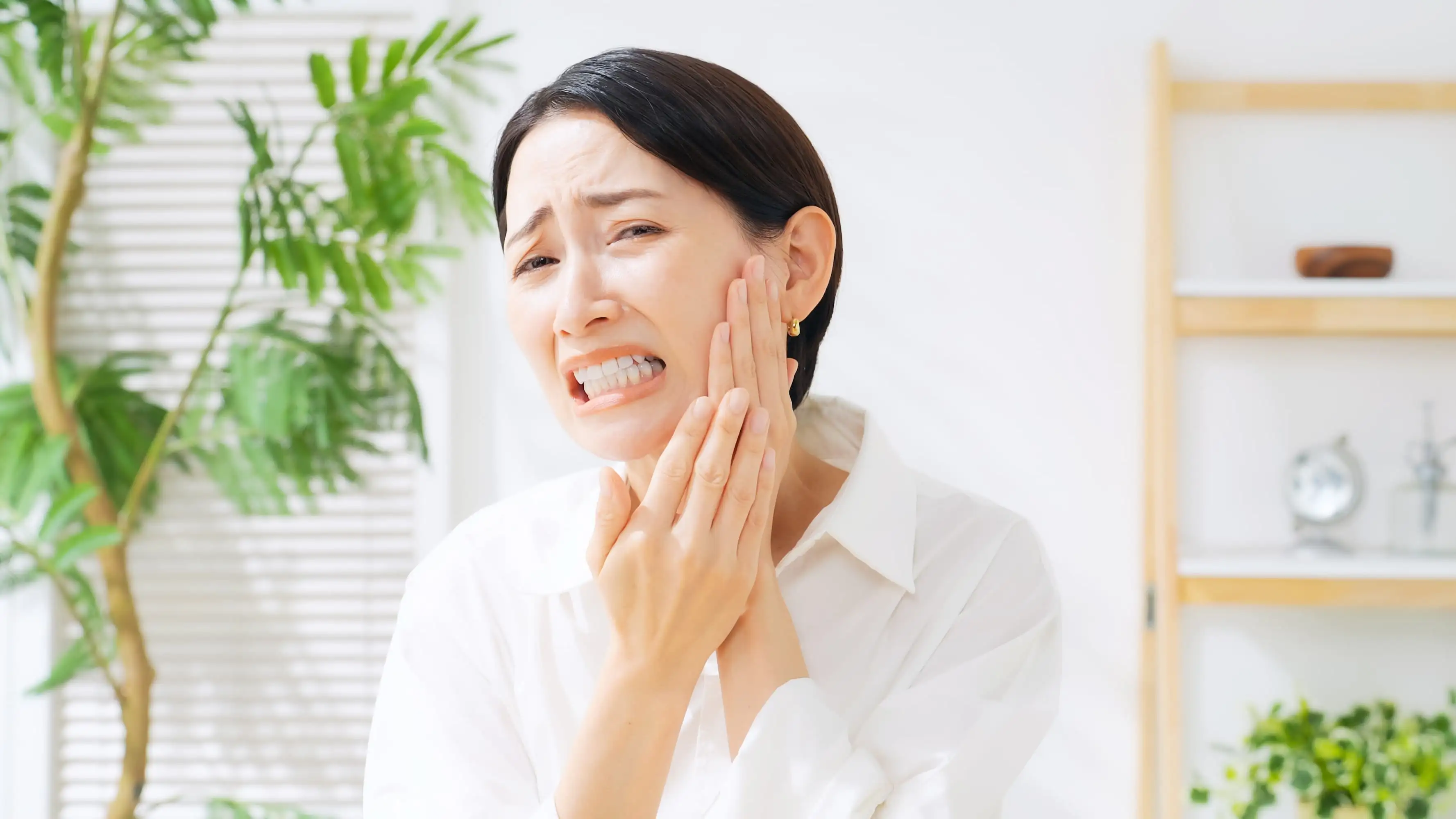
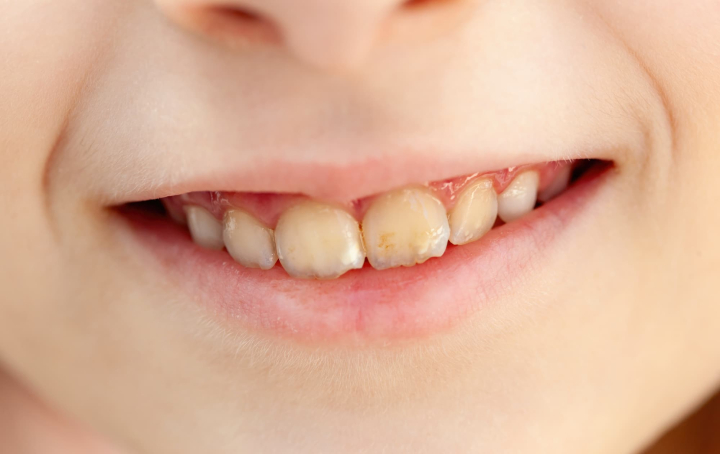
Отбеливание зубов в кабинете врача широко применяется для улучшения цвета зубов и удовлетворения растущего спроса на эстетическую стоматологическую помощь.
Однократное применение нейтрального геля на основе перекиси водорода высокой концентрации обеспечивает отбеливание зубов и снижение чувствительности зубов, сопоставимые с традиционными протоколами отбеливания в кабинете врача, требующими многократного применения.
Отбеливание зубов в кабинете врача широко применяется для улучшения цвета зубов и удовлетворения растущего спроса на эстетическую стоматологическую помощь. Однако остается неясным, обеспечивают ли повторные аппликации высококонцентрированной перекиси водорода дополнительные клинические преимущества по сравнению с однократным применением. Исследователи оценили сравнительные эффекты протоколов однократного и многократного отбеливания на чувствительность зубов, результаты отбеливания и стабильность цвета через один месяц в рандомизированном контролируемом исследовании (РКИ).
В общей сложности в исследование были включены 64 участника с умеренным изменением цвета зубов. Используя дизайн «разделенный рот», каждый участник получил как протоколы однократного, так и многократного применения гелей на основе нейтральной высококонцентрированной перекиси водорода (40% Opalescence Boost и 37,5% Pola Office Plus) в течение двух сеансов лечения.
Чувствительность зубов оценивалась во время и после лечения с помощью визуальной аналоговой шкалы (ВАШ) и числовой рейтинговой шкалы (ЧРШ). Эффективность отбеливания оценивалась с использованием спектрофотометра VITA Easyshade. Оценка цвета зубов проводилась с использованием параметров ΔEab, ΔE00, индекса белизны для стоматологии (WID), а также по шкале Vita Classical (SGU) в трёх временных точках: исходно, через 7 дней и через 1 месяц после отбеливания.
Исследование показало, что сокращение количества аппликаций отбеливающего геля не ухудшило результаты отбеливания или комфорт пациента. Основные результаты:
В целом результаты показали, что упрощенный протокол однократного отбеливания достиг клинических результатов, сопоставимых с традиционным подходом многократного применения, предлагая при этом более эффективную стратегию лечения.
Демонстрируя сопоставимые результаты отбеливания с меньшим количеством этапов лечения, однократное отбеливание может переопределить стандартные протоколы отбеливания в кабинете врача. Этот подход сочетает клиническую эффективность с простотой процедуры, предлагая преимущества как для врачей, так и для пациентов.
Journal of Dentistry
The effect of single and multiple application of in-office dental bleaching on tooth sensitivity and bleaching efficacy: A randomized controlled clinical trial
Ghada A. Maghaireh и соавт.









Комментарии (0)