

Категории
Сменить пароль!
Сброс пароля!


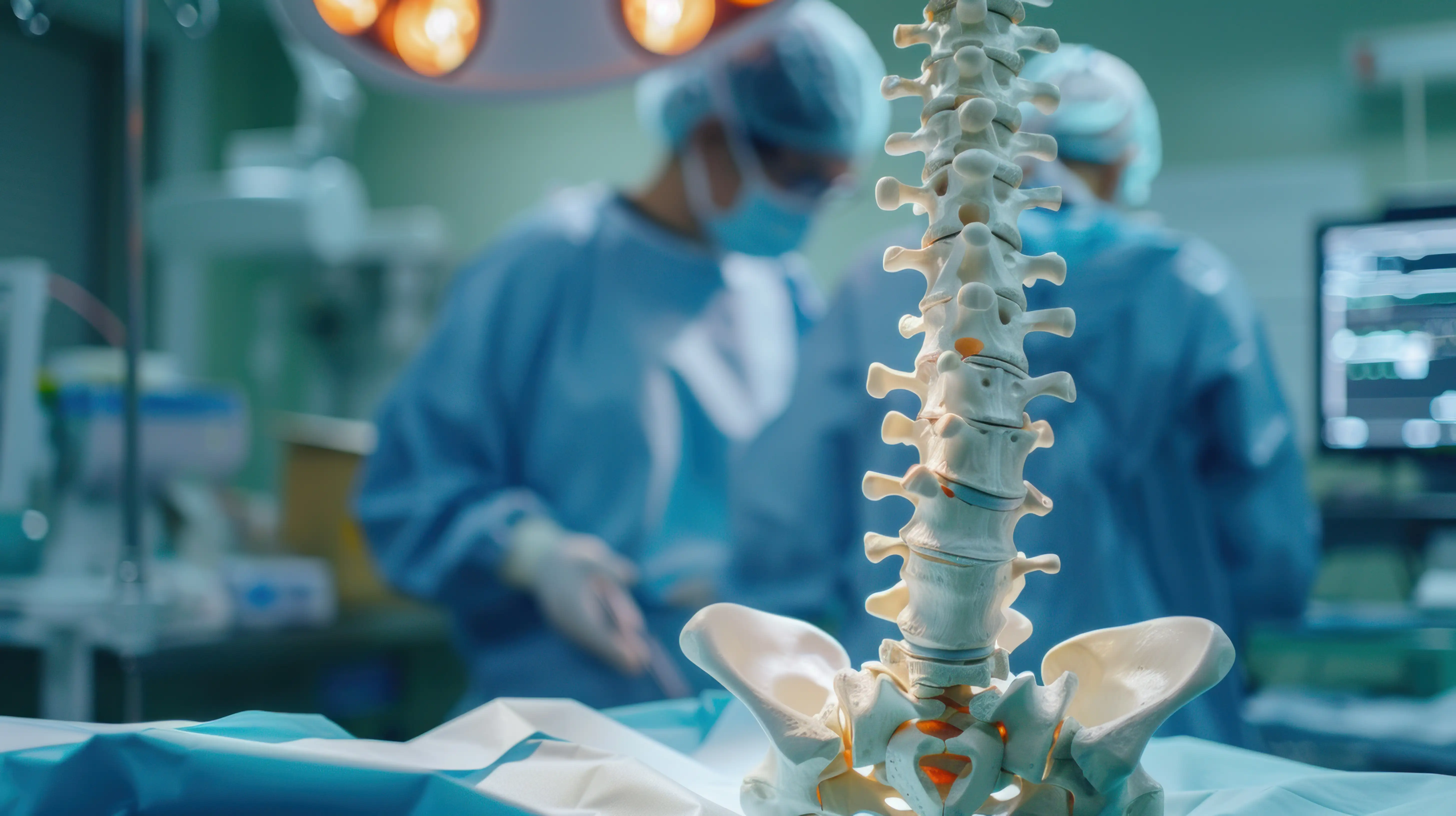
Кеторолак — сильнодействующий нестероидный противовоспалительный препарат (НПВП), часто назначаемый во время операций на позвоночнике.
Использование кеторолака во время операции на поясничном отделе позвоночника не оказывает существенного влияния на показатели боли в послеоперационном периоде, потребление опиоидов или продолжительность госпитализации, но заметно снижает частоту возникновения тошноты и рвоты, что подтверждает его роль как безопасного и эффективного дополнительного средства для послеоперационного восстановления.
Кеторолак — сильнодействующий нестероидный противовоспалительный препарат (НПВП), часто назначаемый во время операций на позвоночнике. Целью данного исследования было определить, как применение кеторолака (отдельно или в сочетании с другими лекарственными препаратами) влияет на результаты восстановления после операции на поясничном отделе позвоночника.
Систематический обзор и метаанализ рандомизированных контролируемых исследований (РКИ) проводился с использованием баз данных PubMed, CINAHL, MEDLINE и Web of Science по состоянию на июль 2023 года. Исследования включались в обзор, если в них изучалось влияние кеторолака на пациентов, перенесших операцию на поясничном отделе позвоночника.
В целом критериям отбора соответствовали 13 РКИ, включавших 997 участников (средний возраст 54,6 ± 7,8 лет; 535 в группе кеторолака). Значимых различий между группами, получавшими и не получавшими кеторолак, по потреблению морфина за 24 часа (P = 0,185), общему потреблению морфина после операции (P = 0,109), показателям боли через 24 часа и при выписке (P = 0,065 и P = 0,582 соответственно) или продолжительности госпитализации (P = 0,990) выявлено не было.
Частота серьезных (3,7% в сравнении с 5,4%) и незначительных (42,1% в сравнении с 51,7%) осложнений в обеих группах была сопоставимой. Однако в группе, получавшей кеторолак, наблюдалось значительно меньше случаев послеоперационной тошноты и/или рвоты по сравнению с группой, не получавшей кеторолак (21,6% в сравнении с 37,1%).
Применение кеторолака во время операции на поясничном отделе позвоночника не оказало значимого влияния на потребность в морфине после операции, степень выраженности болевого синдрома или продолжительность госпитализации. Частота осложнений осталась прежней, хотя применение кеторолака было связано с более низкой частотой тошноты и рвоты.
World Neurosurgery
The Impact of Ketorolac Utilization on Outcomes for Lumbar Spine Surgery: A Systematic Review and Meta-Analysis of Randomized Controlled Trials
Anthony N. Baumann и соавт.













Комментарии (0)