

Categories
Change Password!
Reset Password!


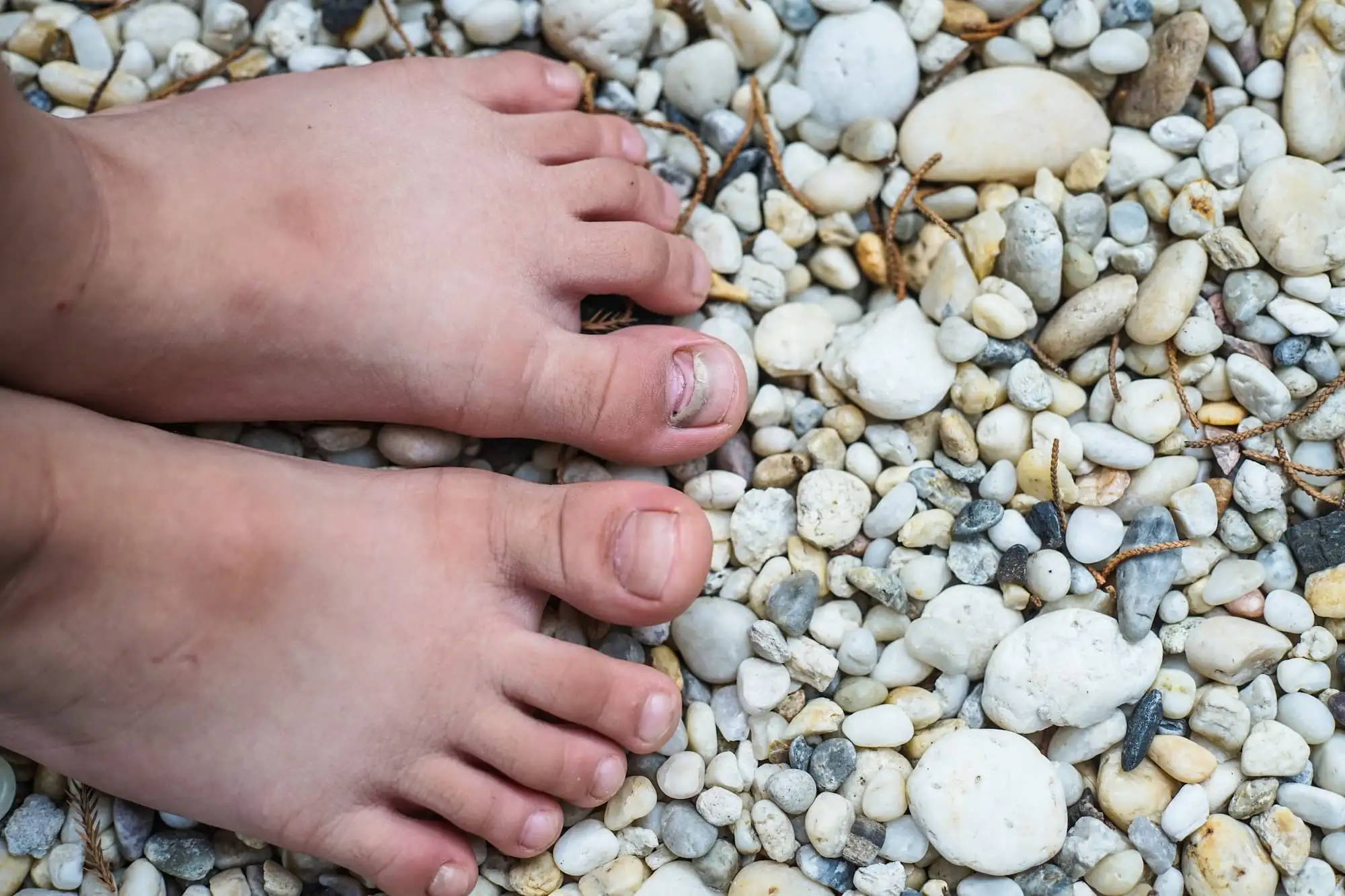
Green nail syndrome (GNS), also termed as chloronychia, is an uncommon Pseudomonas aeruginosa-mediated nail infection that is rarely encountered in children. It is typically associated with recognized predisposing factors such as artificial nails, occlusion, trauma, or immunocompromise. A previously healthy 6-year-old female developed multi-digit onychomadesis several weeks after an episode of hand, foot, and mouth disease (HFMD). This was subsequently followed by the appearance of green discoloration confined to both great toenails.
Clinical examination depicted well-circumscribed green to yellow-green chromonychia of the bilateral great toenails together with proximal separation of several fingernail and toenail plates from the nail matrix. The diagnosis of GNS complicating HFMD-associated onychomadesis was established on classic clinical morphology, without microbiological culture. The patient lacked any of the risk factors typically reported in pediatric cases.
Management consisted of topical antipseudomonal therapy alone, with expectant management of the underlying onychomadesis. Follow-up demonstrated normalization of nail coloration and continued nail regrowth, with only minor residual nail changes. This case highlights transient nail matrix disruption from a common pediatric viral illness, which may independently predispose to opportunistic Pseudomonas colonization, even in an immunocompetent host. This reinforces the value of clinical pattern recognition in diagnosing GNS.
Introduction
HFMD is a common viral illness in children, typically triggered by Coxsackievirus A16 or enterovirus 71. Coxsackievirus A6 has also emerged as an important cause of atypical clinical presentations. Onychomadesis, a transient arrest of nail matrix activity leading to proximal nail plate separation, is a recognized delayed sequela of HFMD that typically emerges four to six weeks after the acute illness and resolves spontaneously. GNS is mediated by subungual colonization with Pseudomonas aeruginosa and classically develops in the setting of chronic moisture exposure, distal onycholysis, or underlying nail ailment. It is predominantly a condition of middle-aged and older adults, and pediatric cases are exceptionally rare, most often occurring in the context of immunocompromise.
A previously healthy 6-year-old female presented with an unusual pattern of progressive, painless nail detachment following an uncomplicated episode of HFMD, as depicted below:
Illness timeline
Associated symptoms
Exposure history
(a) Toenail findings
(b) Fingernail and additional toenail findings
Diagnosis: HFMD-associated onychomadesis complicated by Pseudomonas aeruginosa nail infection (GNS), established on classic clinical morphology.
(a) Definitive treatment
Topical gentamicin 0.1% ointment (aminoglycoside antibiotic) was prescribed, applied once daily to the affected toenails. The coexisting onychomadesis was managed expectantly, consistent with its typically self-limited course, without additional intervention.
(b) Follow-up and monitoring
The patient was scheduled for outpatient follow-up to monitor nail regrowth and resolution of chromonychia. Instructions were provided to seek re-evaluation if pain, spreading discoloration, or soft-tissue involvement developed.
Follow-up findings
These findings indicate a favorable clinical response to topical antipseudomonal therapy, with resolution of the active infection. Ongoing, though not yet complete, normalization of nail architecture was observed at the time of follow-up.
Key learnings
JAAD Case Reports
Onychomadesis-associated hand, foot, and mouth disease complicated by green nail syndrome in a pediatric patient: A case report and literature review
Joshua Vance BA et al.












Comments (0)