

Категории
Сменить пароль!
Сброс пароля!


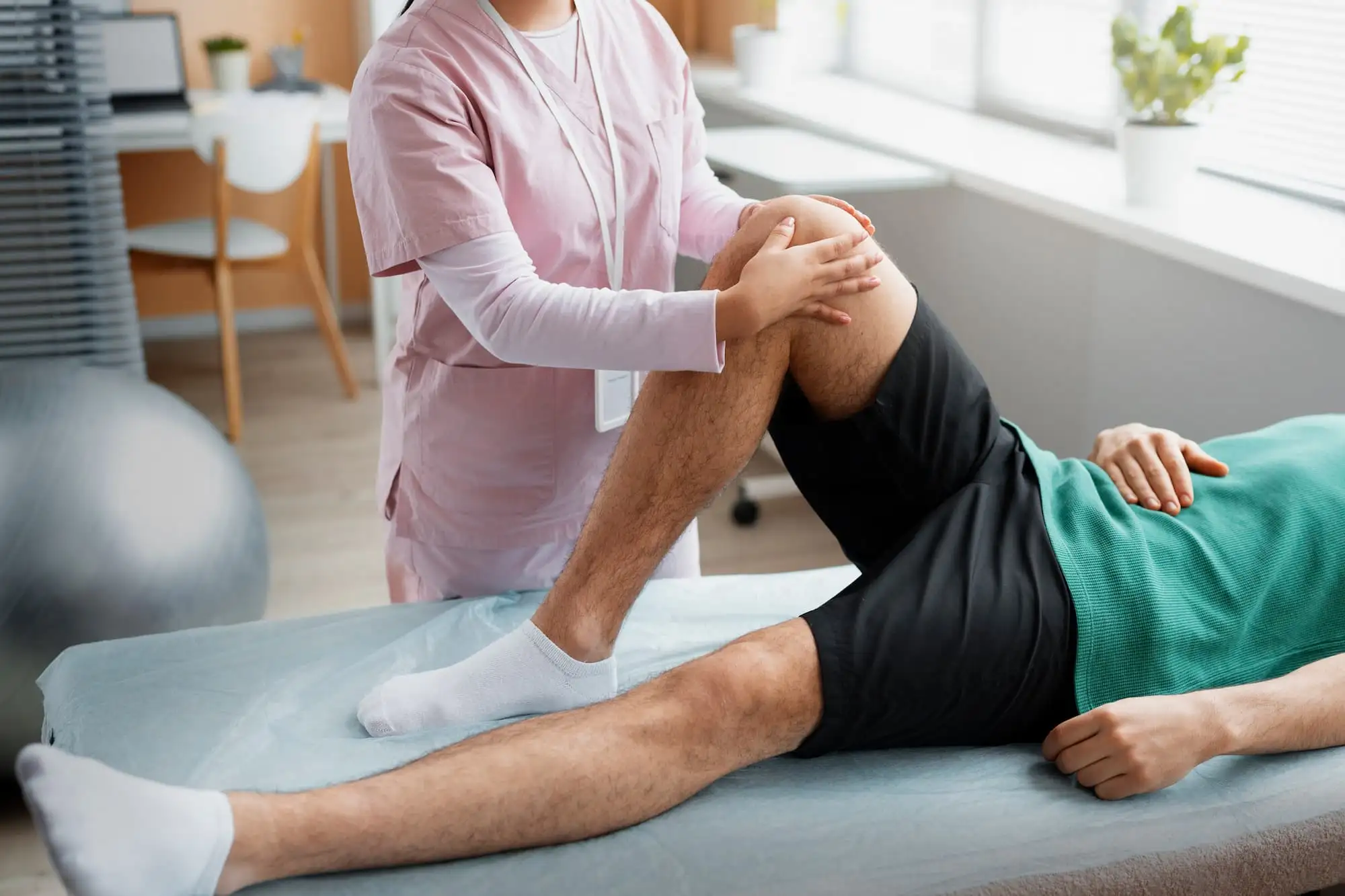
Сочетание нейромышечных упражнений с обучением пациентов в рамках концепции нейробиологии боли может способствовать «перезагрузке» механизмов обработки болевых сигналов в организме, обеспечивая стойкое облегчение хронической боли после тотального эндопротезирования коленного сустава.
Хроническая боль остается серьезной проблемой для пациентов даже после успешного тотального эндопротезирования коленного сустава (ТЭКС), при этом примерно 15–20% из них продолжают испытывать постоянную боль. Хотя точные механизмы, лежащие в основе этой хронической боли, до конца не изучены, накапливающиеся данные свидетельствуют о роли центральной сенситизации и психосоциальных факторов.
Исследование, проведенное Еспер Би Ларсен и соавт. (Jesper Bie Larsen et al.), предоставляет новые доказательства того, что сочетание нейромышечных упражнений с обучением пациентов основам нейробиологии боли может успешно снизить болевую чувствительность у людей, страдающих хронической болью после ТЭКС. Данное исследование представляло собой вторичную оценку результатов испытания с участием 69 пациентов, которые продолжали испытывать хроническую боль в течение как минимум одного года после ТЭКС. Все участники исследования сообщили о средней ежедневной интенсивности боли ≥4 по числовой рейтинговой шкале (ЧРШ). Участники исследования были случайным образом разделены на две группы:
Были измерены многочисленные ключевые показатели обработки боли и психологической реакции, в том числе:
Через 12 месяцев наблюдения исследователи отметили существенную разницу между группами в изменении показателя TSP в коленном суставе по сравнению с исходным уровнем, в пользу группы, получавшей нейромышечные упражнения + обучение (–1,45; 95% доверительный интервал -2,48–-0,42). Это указывает на то, что в группе нейромышечных упражнений+обучение наблюдалось меньшее временное суммирование боли, что свидетельствует об улучшении центральной модуляции боли и снижении болевой амплификации. По другим показателям, таким как PPT, CPM или психосоциальные баллы, существенных различий между группами не наблюдалось. Полученные результаты свидетельствуют о том, что комплексные стратегии реабилитации, направленные как на физическую функцию, так и на когнитивные аспекты боли, могут способствовать улучшению долгосрочных результатов у пациентов после ТЭКС.
European Journal of Pain
Pain Mechanisms and Psychosocial Variables in Patients With Chronic Pain After Total Knee Arthroplasty: Secondary Analysis From a Randomised Controlled Trial
Jesper Bie Larsen и соавт.











Комментарии (0)