

Категории
Сменить пароль!
Сброс пароля!


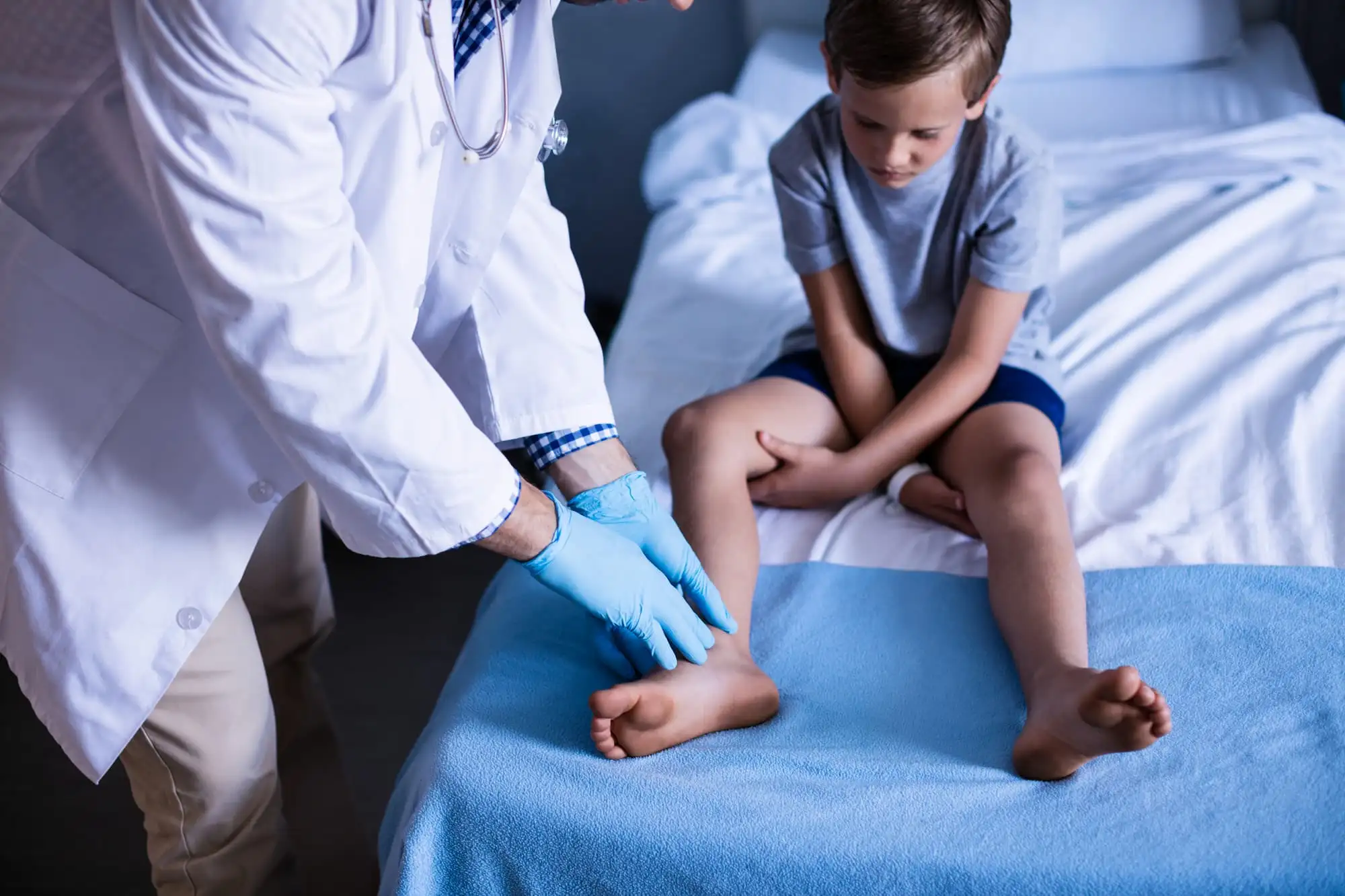
Топические НПВП представляют собой многообещающий, но недостаточно изученный вариант лечения острой костно-мышечной боли у детей, что подчеркивает острую необходимость в более убедительных клинических доказательствах их эффективности в педиатрии.
Топические нестероидные противовоспалительные препараты (НПВП) широко известны как эффективные средства для облегчения боли у взрослых с травмами опорно-двигательного аппарата, однако их роль в педиатрической практике остается неопределенной. Доказательная база скудна, поэтому врачи с осторожностью относятся к их применению у пациентов детского возраста. Для восполнения этого пробела в знаниях исследователи провели всесторонний обзор литературы, направленный на обобщение имеющихся данных и выявление неисследованных областей, касающихся использования топических НПВП для лечения острой костно-мышечной боли у детей.
Исследовательская группа систематически проанализировала 6 электронных баз данных, а также неопубликованные материалы и текущие клинические исследования. В исследованиях участвовали дети младше 18 лет, которые применяли топические НПВП для купирования острой костно-мышечной боли в отделениях неотложной помощи, пунктов оказания срочной медицинской помощи или амбулаторных учреждениях. Критериям включения соответствовали только 3 исследования — 2 рандомизированных контролируемых исследования (РКИ) и одно нерандомизированное исследование, — в которых приняли участие в общей сложности 467 человек в возрасте от 6 до 18 лет.
В число применяемых методов лечения входили кетопрофен гель, пластыри с метилсалицилатом и ментолом, а также пластыри с диклофенаком и эполамином, используемые при таких состояниях, как растяжения связок голеностопного сустава и травмы мягких тканей. Продолжительность терапии варьировала от 30 минут до 14 дней. В ходе исследований дети, как правило, сообщали о значительном уменьшении боли и минимальном количестве нежелательных явлений, что указывает на хорошую переносимость топических НПВП. Однако исследования значительно различались по дизайну, режимам дозирования и способу представления результатов, что затрудняло их сравнение.
Важно отметить, что ни в одном исследовании не проводилось прямого сравнения местного и перорального применения НПВП, и лишь в немногих изучались долгосрочная безопасность, функциональное восстановление или удовлетворенность пациентов. Эти методологические пробелы и небольшие размеры выборок ограничивают общую достоверность и обобщаемость имеющихся данных. Топические НПВП могут стать эффективным вариантом для купирования острой костно-мышечной боли в педиатрической практике, обеспечивая локальный обезболивающий эффект с минимальным системным воздействием. Тем не менее, доказательная база остается слабой, с высоким риском систематической ошибки и значительной неоднородностью между исследованиями.
Эксперты призывают к проведению хорошо спланированных крупномасштабных РКИ для определения истинной эффективности, безопасности и ориентированных на пациента результатов применения топических НПВП у детей, прежде чем можно будет давать официальные клинические рекомендации.
Canadian Journal of Emergency Medicine
Topical Non-Steroidal Anti-Inflammatory Drug Use For Pediatric Acute Musculoskeletal Pain: A Scoping Review
Domenic F. Alaimo и соавт.









Комментарии (0)