

Categories
Change Password!
Reset Password!


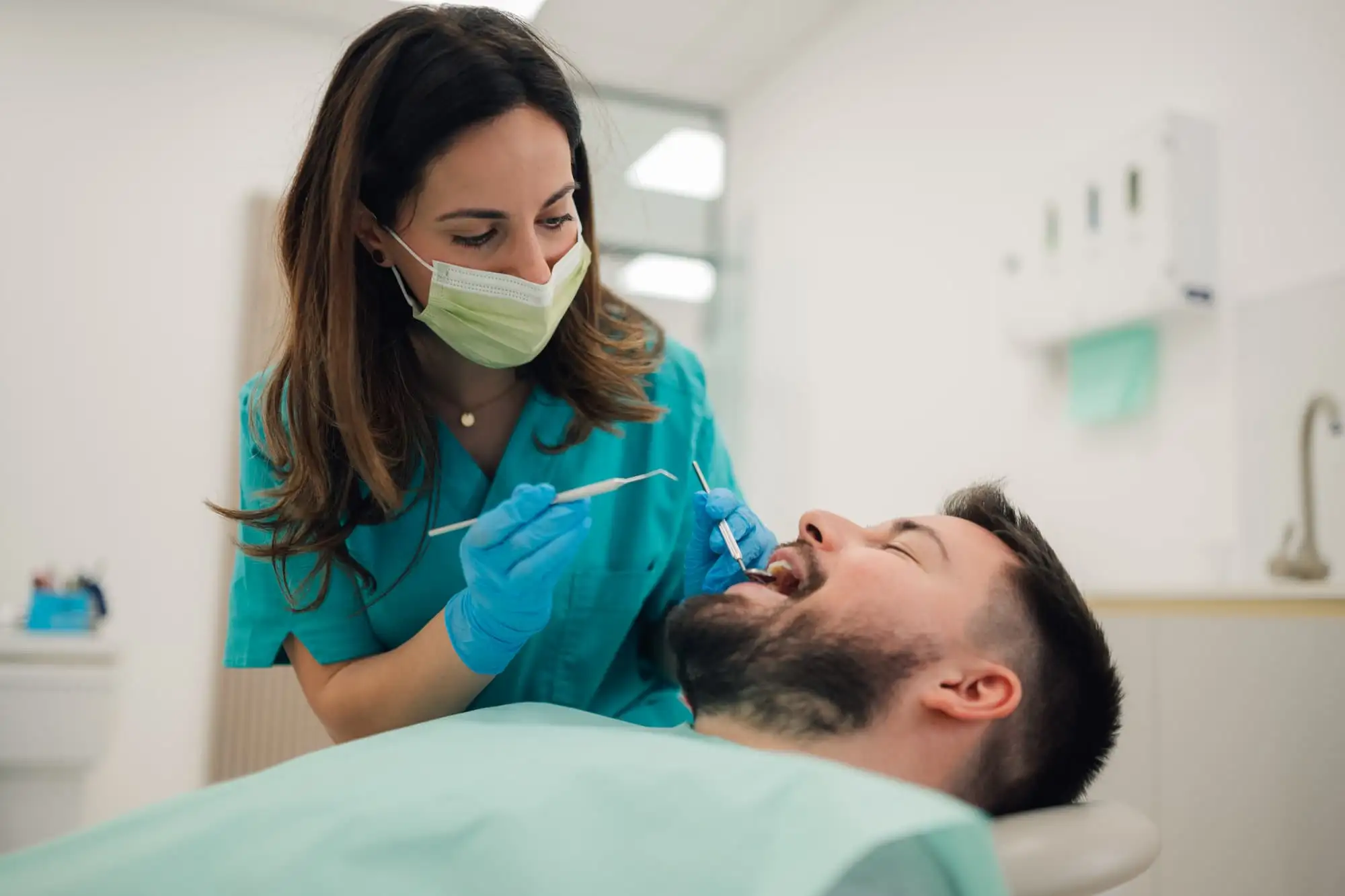
Starting metronidazole plus amoxicillin with scaling and root planing accelerates favorable subgingival microbial reorganization without improving 1-year clinical outcomes.
A central challenge in periodontology centers on optimization! While combining scaling and root planing (SRP) with systemic metronidazole (MTZ) and amoxicillin (AMX) is an established protocol for severe periodontitis, clinical consensus regarding concurrent versus sequential administration has remained unresolved.
A randomized clinical trial, led by Daiane Fermiano et al., directly addressed this question. The findings demonstrate that while overall 1-year clinical potency remains equivalent regardless of protocol timing, initiating antibiotic therapy concurrently with initial mechanical debridement fundamentally accelerates the shift toward a health-associated subgingival microbiome.
The trial evaluated 68 participants diagnosed with advanced (stage III/IV) periodontitis, randomized equally into two treatment protocols (n = 34 per group):
Clinical parameters—including probing depth (PD), clinical attachment level (CAL), visible plaque, bleeding on probing (BOP), and suppuration—were recorded at baseline, 3 months, and 1 year post-treatment. Subgingival biofilm samples from nine distinct sites per subject were examined via checkerboard DNA–DNA hybridization targeting 40 bacterial species.
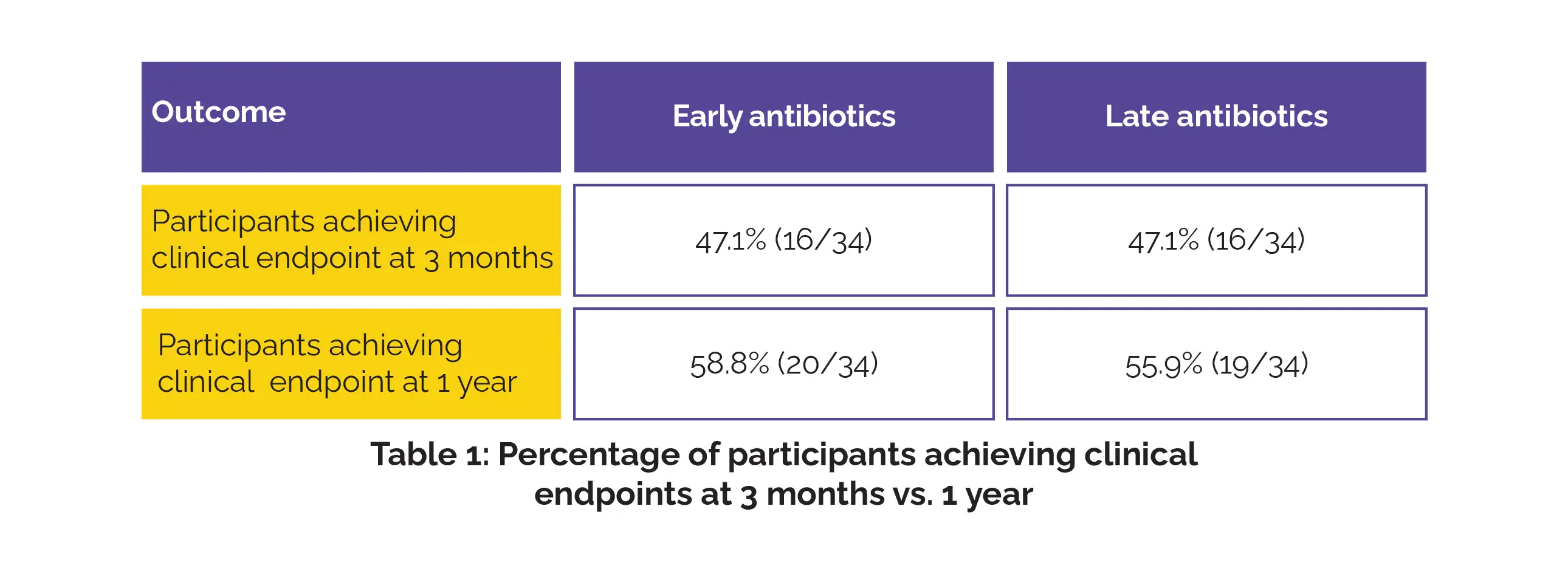
Equivalent Long-Term Clinical Efficacy
Accelerated Microbiological Reorganization
Network analyses revealed marked differences in subgingival biofilm succession based on administration timing:
Clinical Relevance
For those battling advanced periodontitis, early vs. late administration of MTZ + AMX during SRP results in similar 1-year clinical outcomes. However, commencing antibiotics with mechanical debridement appears to promote earlier and more favorable restructuring of the subgingival microbial community—an observation that may be relevant to understanding periodontal “rebiosis” and treatment response.
Journal of Periodontology
Does timing of systemic antibiotics influence periodontal treatment outcomes? A randomized clinical trial
Daiane Fermiano et al.












Comments (0)