

Categories
Change Password!
Reset Password!


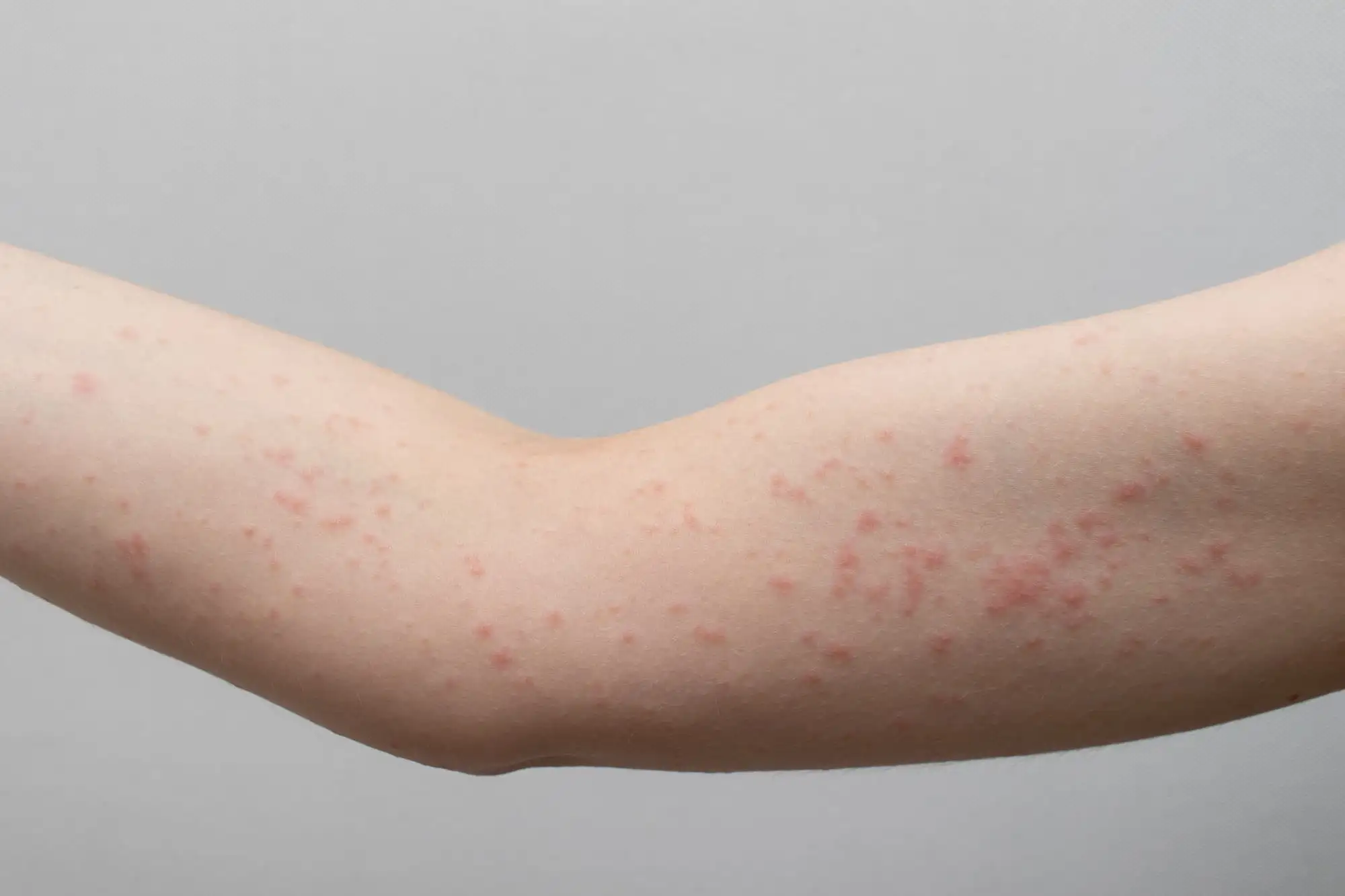
Elevated serum eosinophil counts and neutrophil-to-lymphocyte ratio (NLR) predict poorer clinical response to cetirizine/famotidine therapy in chronic spontaneous urticaria.
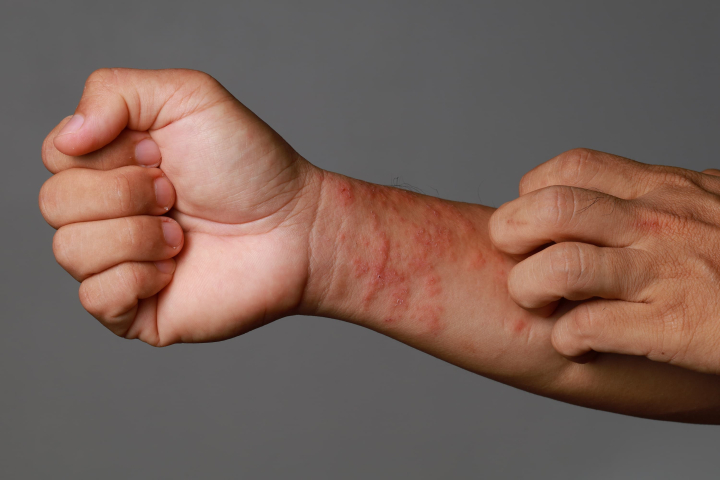
Living with chronic spontaneous urticaria (CSU) means waking up to painful, itchy hives without a clear trigger. While high-dose H1-antihistamine therapy—often paired with H2-antihistamines—alleviates symptoms for many, a notable proportion of patients remain refractory. Reliable immunological and inflammatory predictors to guide therapeutic escalation early in management have remained elusive.
To identify actionable prognostic indicators, Abbas Khalili et al. executed a 1-year interventional study evaluating 61 patients diagnosed with moderate-to-severe CSU (aged 20–50 years; 77% female, 23% male). Baseline laboratory evaluations involved harvesting peripheral blood, serum, and plasma samples to analyze a broad panel of inflammatory and immunological markers at a centralized reference laboratory. Following baseline scoring, participants received a standardized combination regimen consisting of:
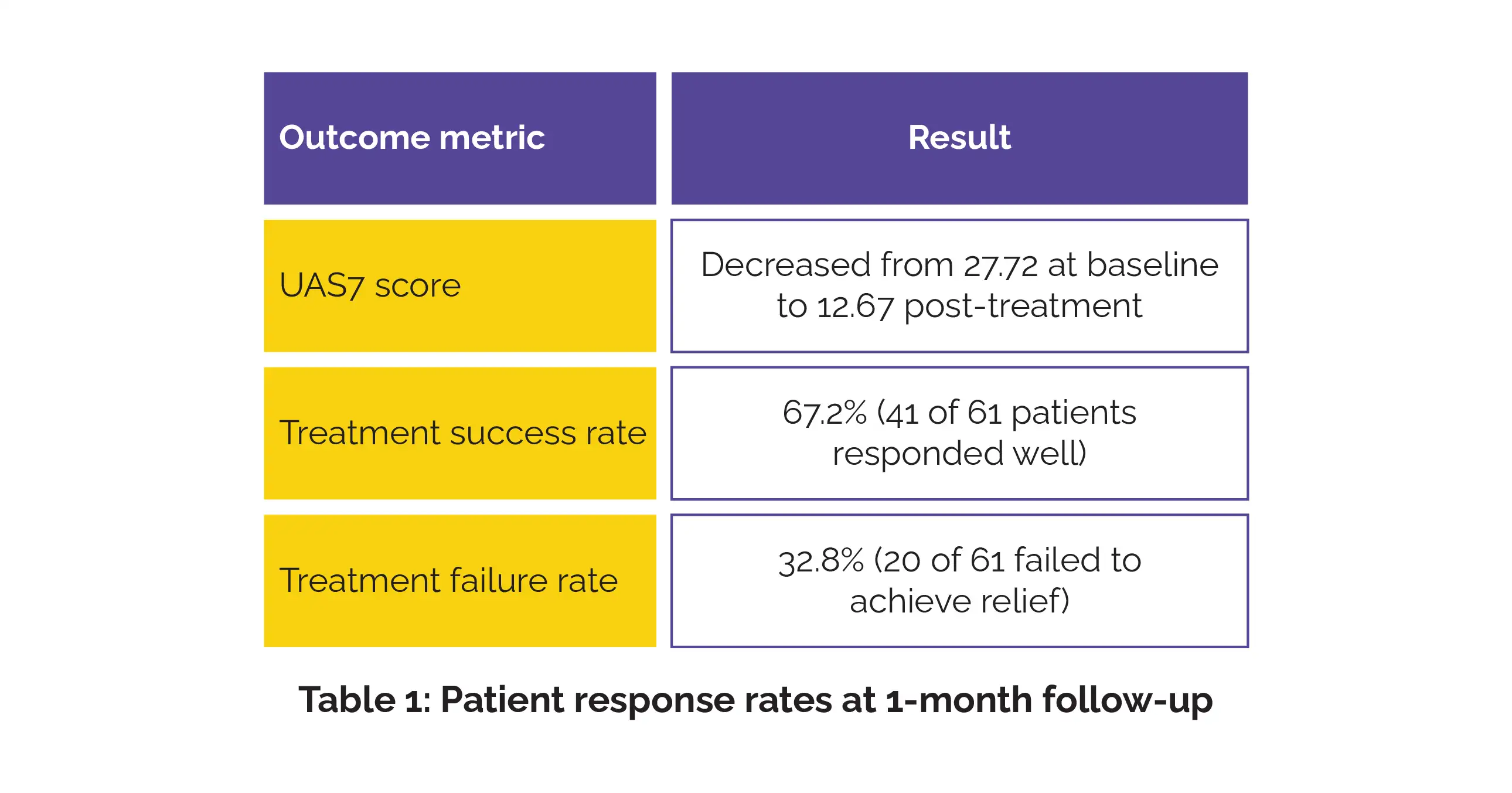
Treatment response was determined after 1 month using the standard Urticaria Activity Score (UAS7), comparing changes between patients presenting with normal versus elevated biomarker profiles. The dual-antihistamine approach remarkably attenuated overall disease severity with good response rates (Table 1).
Out of the full panel of immune and inflammatory variables tested, only two baseline blood markers correlated directly with treatment failure: an elevated neutrophil-to-lymphocyte ratio (NLR) and a high serum eosinophil count. Rather than running expensive specialized testing, clinicians may soon be able to rely on basic complete blood count differentials to spot potential non-responders right at diagnosis.
Catching elevated NLR or eosinophil counts early can help care teams fast-track high-risk patients towards secondary immunomodulatory strategies, avoiding weeks of unnecessary discomfort. Larger validation trials will be the next step toward embedding these cutoff values into standard diagnostic workflows.
The Iranian Journal of Allergy, Asthma and Immunology
The Elevated Eosinophil Counts and Neutrophils/Lymphocytes Ratio as Predicting Biomarkers in Non-responders, Chronic Spontaneous Urticarial Patients to Cetirizine/Famotidine Treatment
Abbas Khalili et al.











Comments (0)