

Categories
Change Password!
Reset Password!


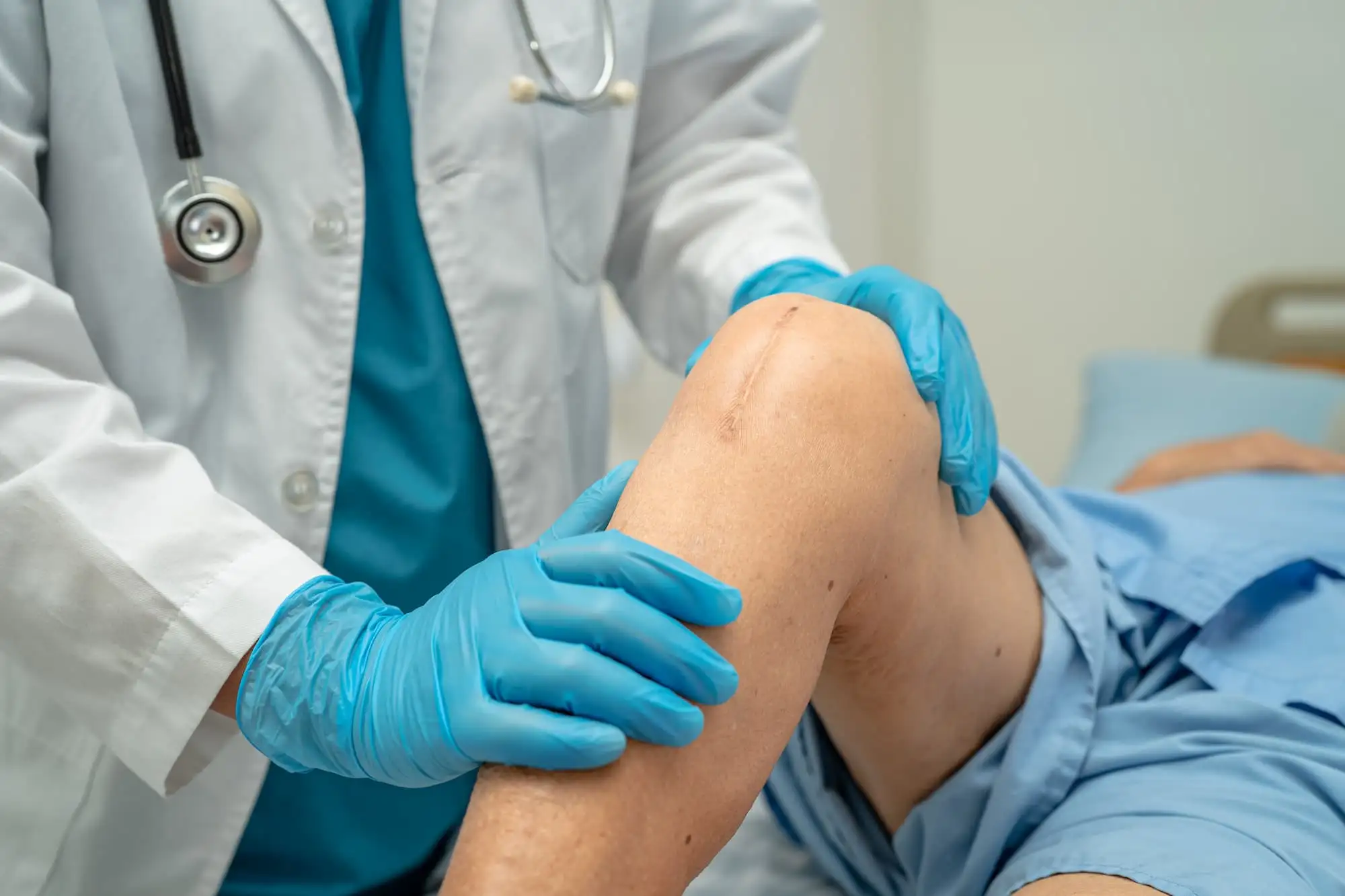
Successful recovery after total knee arthroplasty (TKA) incorporates more than the surgery alone.
An ERAS pathway integrated with the safe brain initiative shortens hospitalisation, reduces early rescue opioid requirements, and supports more efficient recovery after TKA.
Successful recovery after total knee arthroplasty (TKA) incorporates more than the surgery alone. Perioperative pain control, mobilisation, anaemia management, and preoperative preparation can all influence how quickly patients recover and leave the hospital. Enhanced recovery after surgery (ERAS) pathways address these factors through coordinated multidisciplinary care, while the safe brain initiative (SBI) adds a structured focus on perioperative optimisation and prehabilitation. The study evaluated outcomes before and after implementation of the ERAS-SBI pathway, focusing on hospital stay, postoperative opioid requirements, perioperative anaemia, and blood transfusion rates.
The investigators conducted a retrospective, single-centre cohort study at a tertiary teaching hospital in Türkiye. Overall, 204 adults suffering from American Society of Anesthesiologists physical status I–III who underwent elective TKA were included and segregated into 2 groups:
The primary outcome was length of hospital stay (LOS). Secondary outcomes included time to postoperative discharge and cumulative rescue opioid analgesic consumption at 24 and 48 hours. Perioperative anaemia and blood transfusion rates were also assessed.
The ERAS-SBI protocol demonstrated remarkable clinical benefits across primary and secondary metrics compared to pre-implementation care:
The findings linked implementation of an ERAS-SBI pathway with a more efficient early recovery after TKA, characterised by shorter hospitalisation and reduced reliance on rescue opioids. The results also highlighted the potential value of combining prehabilitation with coordinated perioperative optimisation rather than focusing recovery strategies solely on the postoperative period.
Turkish Journal of Anaesthesiology and Reanimation
A Retrospective Cohort Study on The Impact of the Enhanced Recovery After Surgery with Safe Brain Initiative on Total Knee Arthroplasty Outcomes in Türkiye
Berna Çalışkan et al.












Comments (0)