

Categories
Change Password!
Reset Password!


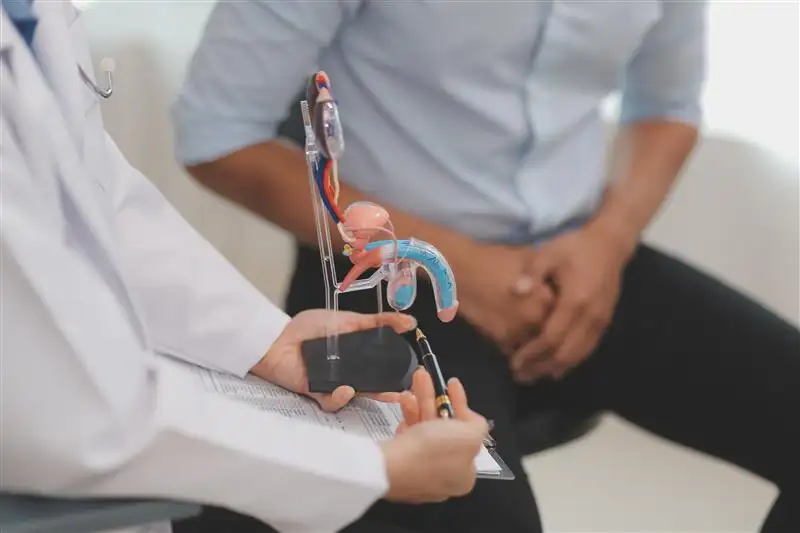
Loxoprofen provides superior postoperative pain relief but increases serum creatinine and acute kidney injury risk compared with acetaminophen after open radical prostatectomy.
In a new study of 328 men undergoing open radical prostatectomy, loxoprofen (a non-steroidal anti-inflammatory drug; NSAID) offered superior postoperative analgesia but was associated with higher rates of renal impairment compared with acetaminophen.
Researchers retrospectively analyzed 328 patients who received either loxoprofen or acetaminophen after prostate removal surgery. Using propensity score matching, investigators created 81 matched pairs to minimize confounding and ensure balanced baseline characteristics between groups. The study evaluated postoperative pain intensity using the numerical rating scale (NRS), use of patient-controlled anesthesia, need for rescue analgesics, incidence of acute kidney injury (AKI), occurrence of drug-induced liver injury (DILI), and postoperative serum creatinine elevation.
On postoperative day 5, patients in the acetaminophen group reported higher NRS pain scores compared with those receiving loxoprofen. Additionally:
These findings indicate that loxoprofen yielded better postoperative analgesia in this surgical population. Renal outcomes favored acetaminophen:
Regarding hepatic safety, DILI occurred in 0% of patients in both groups. To sum up, acetaminophen shows superior renal safety compared with loxoprofen after open radical prostatectomy. However, its analgesic effect may be insufficient in those with substantial postoperative pain unless dose frequency or per-dose amount is optimized. In contrast, the loxoprofen provides stronger pain control but carries a measurable risk of postoperative renal dysfunction, including elevated serum creatinine and AKI.
Biological and Pharmaceutical Bulletin
Comparison between the Effects of Loxoprofen and Acetaminophen on Postoperative Pain Following Radical Prostatectomy: A Propensity Score Matching Analysis
Fumihiro Nishimura et al.












Comments (0)