

Categories
Change Password!
Reset Password!


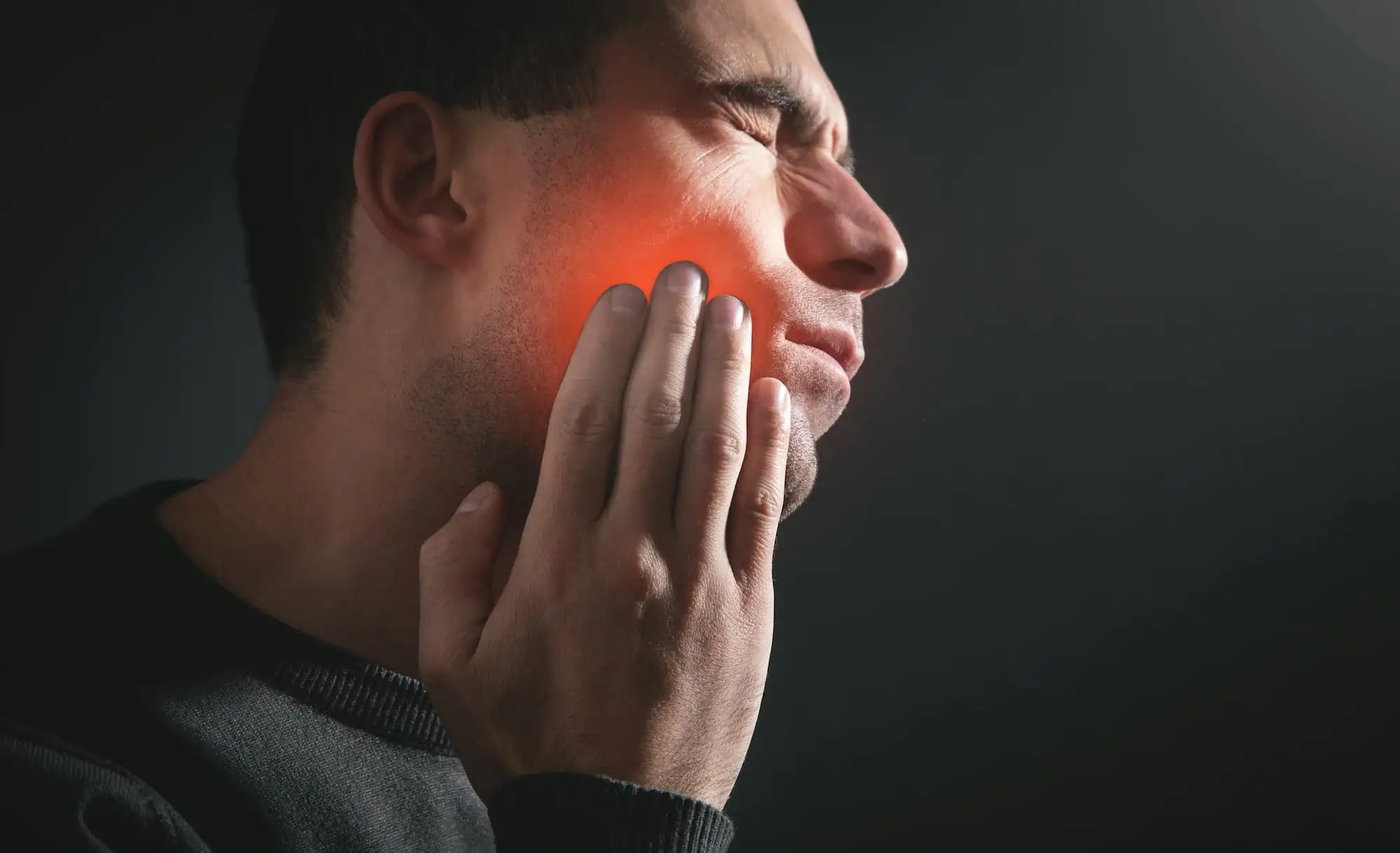
Temporomandibular disorders (TMDs) impact the temporomandibular joint and masticatory muscles, potentially causing pain, restricted movement, and functional impairment.
Virtual patient simulations show that dental students perform well in diagnosing muscle pain (81.9% pass rate) but struggle with joint disorders (58.8% pass rate) due to ordering unnecessary tests and treatments.
Temporomandibular disorders (TMDs) impact the temporomandibular joint and masticatory muscles, potentially causing pain, restricted movement, and functional impairment. Although the Commission on Dental Accreditation (CODA) requires TMD-related education in predoctoral dental curricula, teaching approaches and educational delivery remain inconsistent.
Evaluating students’ clinical reasoning is essential to identify learning gaps and boost diagnostic accuracy and patient management. This study explored dental students’ diagnostic and management decisions in virtual patient cases involving myofascial pain (MFP) and disc displacement with reduction (DDwR).
A retrospective analysis was conducted on 238 dental students completing the Orofacial Pain and Oral Medicine rotation at the Herman Ostrow School of Dentistry between October 2024 and August 2025. Students interacted with five standardized virtual patient scenarios. The dataset comprised 149 MFP cases and 80 DDwR cases.
Student selections regarding diagnostic tests, definitive diagnoses, and comprehensive treatment plans were systematically coded against expert consensus benchmarks. Correlation and regression analyses were deployed to assess links between diagnostic test selection, diagnostic accuracy, overall performance, and task duration.
Out of 238 evaluated students, overall pass rates were 81.9% for MFP and 58.8% for DDwR cases. Diagnostic accuracy emerged as a powerful predictor of overall success; students who attained correct diagnoses were more likely to pass (MFP: odds ratio [OR] = 19.8; DDwR: OR > 100). Total completion time exhibited no noticeable correlation with student performance. An analysis of critical errors revealed distinct cognitive challenges by case type:
Virtual patient scenarios offer a standardized, flexible, and low-risk approach to evaluating dental students’ clinical reasoning in TMDs. The lower pass rate for DDwR and the frequent errors in diagnostic test selection highlight gaps in clinical decision-making and treatment planning. Integrating simulation-based assessments with structured teaching on differential diagnosis, investigation prioritization, and evidence-based management may strengthen dental students’ readiness to tackle TMD-affected patients.
Journal of Dental Education
Assessment of Dental Students' Diagnostic and Management Decision-Making Skills in Temporomandibular Disorders Through Virtual Scenarios
Shradhdha Trivedi et al.











Comments (0)