

Categories
Change Password!
Reset Password!


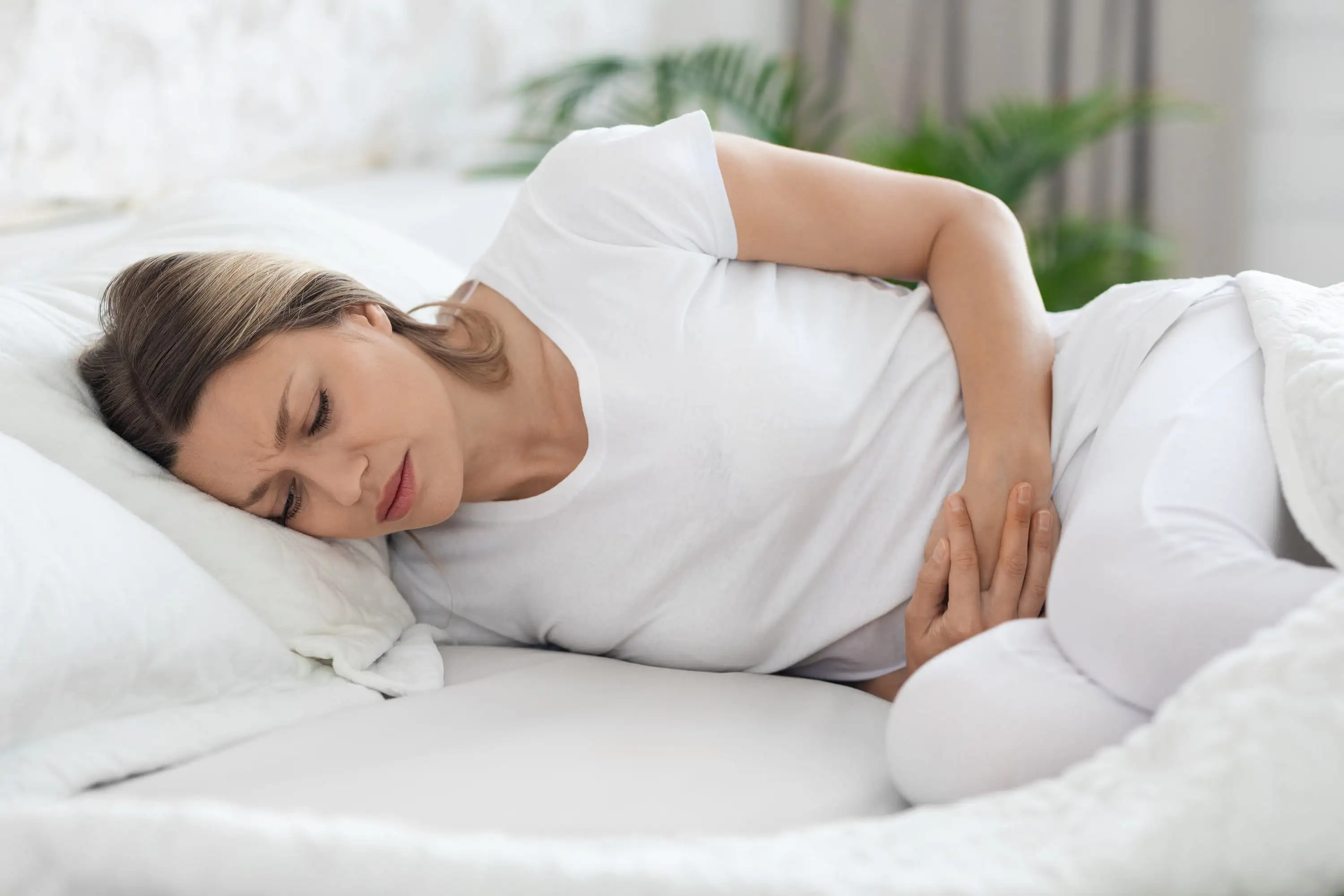
Physical therapy and acupuncture emerge as the leading non-drug therapies for reducing pain and improving quality of life in women with endometriosis.
Endometriosis remains a chronic gynecological condition that is strongly associated with persistent pelvic pain, dysmenorrhea, and reduced quality of life (QoL). Although medications and surgical approaches are widely used, their long-term limitations and variable potency continue to drive interest in supportive non-pharmacological therapies. This network meta-analysis (NMA) ranked major non-pharmacological interventions, including physical therapy, acupuncture, psychological interventions, exercise, and nutritional supplementation for improving endometriosis-associated pain, QoL, and anxiety.
Researchers systematically reviewed randomized controlled trials (RCTs) retrieved from China National Knowledge Infrastructure (CNKI), Web of Science, PubMed, Embase, and Cochrane Central Register of Controlled Trials (CENTRAL). The analysis included studies evaluating structured non-pharmacological interventions against conventional care in women diagnosed with endometriosis. Primary outcomes were overall pain, pelvic pain, dysmenorrhea, and QoL, while anxiety served as the secondary outcome.
A total of 33 RCTs involving 2,323 participants were incorporated into the NMA. For overall pain, physical therapy illustrated the greatest benefit, with a standardized mean difference (SMD) of −1.44 compared with conventional care and the highest ranking probability (surface under the cumulative ranking curve [SUCRA] 74.4%). Acupuncture (SMD −1.27) and psychological interventions (SMD −1.22) also reduced pain relative to conventional care.
When pelvic pain was examined separately, acupuncture emerged as the top-performing intervention, producing a substantial reduction in symptoms (SMD −4.53) and attaining the highest treatment ranking (SUCRA 99.1%). Physical therapy was the most potent strategy for dysmenorrhea, reducing menstrual pain with an SMD of −1.30 and ranking first among interventions (SUCRA 82.3%).
QoL outcomes also favored non-pharmacological approaches. Compared with conventional care, acupuncture improved QoL scores by an SMD of 4.09, while physical therapy achieved an SMD of 4.18, indicating meaningful gains in patient well-being. Despite these benefits, the analysis found no vital differences among the interventions for anxiety outcomes. The findings highlighted that non-pharmacological therapies played a meaningful role in the multidisciplinary management of endometriosis. Physical therapy and acupuncture demonstrated particularly strong benefits across pain-related outcomes and QoL measures, with each therapy showing advantages for specific symptom patterns.
Journal of Pain Research
Comparative Effectiveness of Non-Pharmacological Interventions for Pain and Quality of Life in Women with Endometriosis: A Systematic Review and Network Meta-Analysis
Xiaojun Zheng et al.










Comments (0)