

Categories
Change Password!
Reset Password!



Oral iron remains first-line in pregnancy, while intravenous iron shows superior efficacy and is strongly recommended in select second- and third-trimester cases with poor response or intolerance.
A new set of recommendations yields an updated, patient blood management (PBM)-based strategy for managing iron deficiency (ID) and iron deficiency anemia (IDA) during pregnancy, emphasizing timely correction of antenatal anemia to improve maternal and fetal outcomes.
Pregnancy is a high-risk period for anemia due to increased maternal erythropoiesis, fetal–placental iron demand, and delivery-related blood loss. IDA remains the most common cause of anemia in pregnancy and is linked to adverse outcomes such as preterm birth, low birth weight, and postpartum complications. PBM strategies focus on preserving maternal blood, minimizing transfusion, and optimizing hemoglobin (Hb) levels.
Key Recommendations
1. Oral Iron Therapy (First-line)
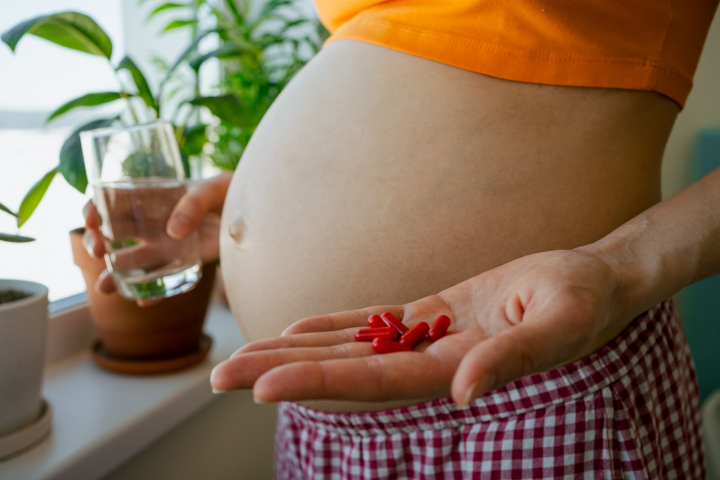
Oral iron is advocated as the initial treatment for ID and IDA in pregnancy due to its safety, accessibility, and cost-effectiveness.
2. Intravenous (IV) Iron Therapy
IV iron is recommended during the second and third trimesters for:
Safety note
Efficacy data from meta-analysis
Newer formulations
These enable higher-dose administration and faster Hb correction. However, ferric carboxymaltose may cause hypophosphatemia, requiring phosphate monitoring in high-risk patients.
3. Red Blood Cell (RBC) Transfusion
4. Safety and Clinical Considerations
Overall, the PBM-based guideline reinforces oral iron as first-line therapy, while positioning IV iron as a highly effective and safe second-line option in selected pregnant patients during later trimesters. RBC transfusion remains restricted to severe anemia, supporting a blood-conservation approach that minimizes transfusion risks and optimizes maternal–fetal outcomes.
Chinese Medical Journal
https://journals.lww.com/cmj/fulltext/2026/02050/recommendations_for_the_treatment_of_iron.2.aspx
Recommendations for the treatment of iron deficiency and iron deficiency anemia during pregnancy based on patient blood management strategies
Chen Wang et al.










Comments (0)