

Категории
Сменить пароль!
Сброс пароля!


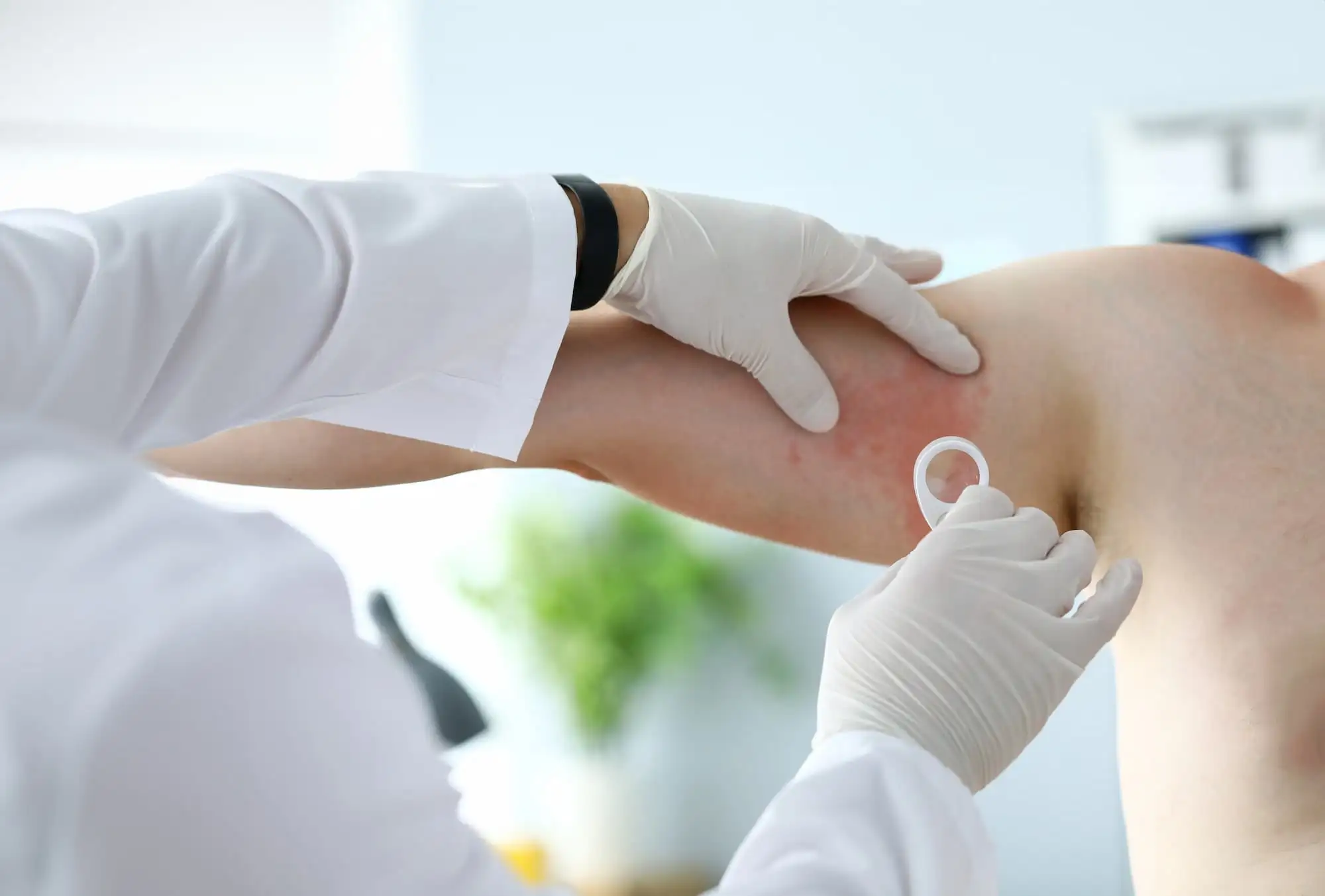
Хроническая спонтанная крапивница (ХСК) представляет собой длительное воспалительное заболевание кожи, характеризующееся рецидивирующими высыпаниями, с ангиоотеком или без него, сохраняющимися более 6 недель.
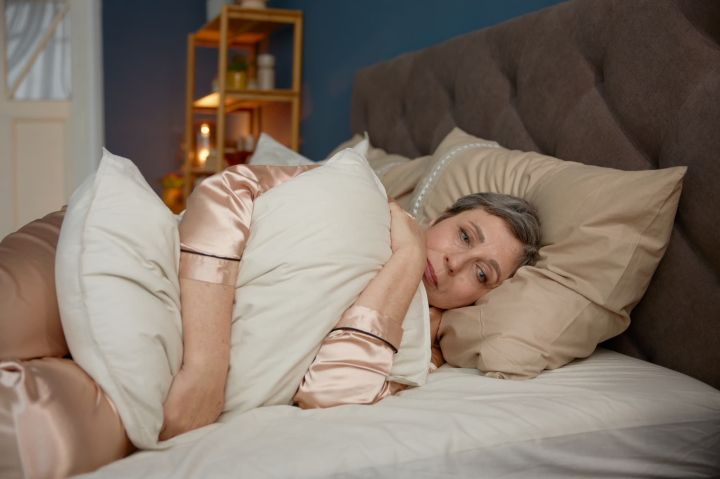
Тревожность и депрессия часто встречаются при хронической спонтанной крапивнице и являются независимыми предикторами ухудшения качества жизни, связанного со здоровьем.
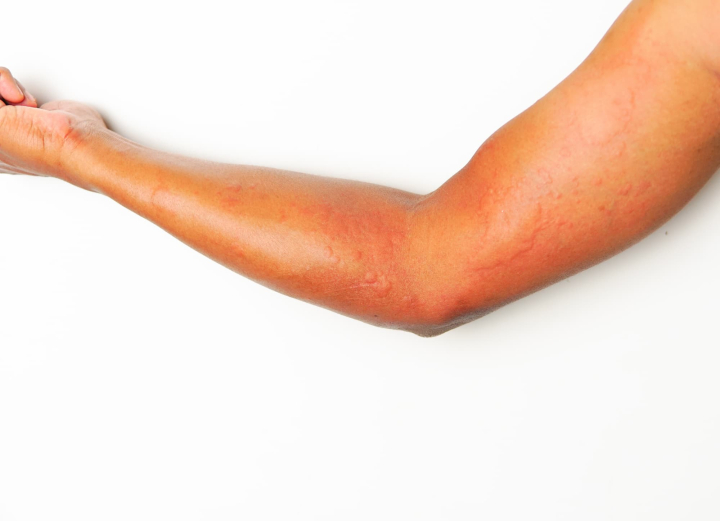
Хроническая спонтанная крапивница (ХСК) представляет собой длительное воспалительное заболевание кожи, характеризующееся рецидивирующими высыпаниями, с ангиоотеком или без него, сохраняющимися более 6 недель. Постоянные симптомы и необходимость длительного лечения могут существенно ухудшать психологическое благополучие и снижать качество жизни, связанное со здоровьем (КЖСЗ). В данном исследовании оценивали распространенность тревожности и депрессии у лиц с ХСК, качество их жизни, а также изучали взаимосвязь между психологическим благополучием и качеством жизни.
В рамках одномоментного исследования, проведенного с использованием метода удобной выборки, были отобраны 114 пациентов с ХСК из дерматологической клиники в период с октября 2022 года по апрель 2024 года. Собранные данные включали социодемографические характеристики, переменные, связанные с заболеванием и лекарственными препаратами, КЖСЗ, оцененное с помощью опросника по оценке качества жизни пациентов с хронической крапивницей (CU-Q2oL), тревожность, оцененную с помощью шкалы GAD-7, и депрессию, оцененную с помощью опросника PHQ-9. Связи между психологическим благополучием и КЖСЗ были проанализированы с помощью многомерной регрессии.
Средний возраст пациентов в исследуемой выборке составил 42,0 года (стандартное отклонение 12,5), при этом доля женщин достигла 90,4%. Большинство участников имели легкую или среднюю активность заболевания, в то время как 53,5% сообщали об ангиоотеке и около 8% имели индуцированную крапивницу. Распространенность пациентов с риском генерализованного тревожного расстройства и большого депрессивного расстройства составляла примерно по 28%. Средний балл CU-Q2oL составил 35,3.
Повышенные показатели тревожности и депрессии, повышенная активность заболевания, наличие ангиоотека, лекарственной аллергии и использование седативных антигистаминных препаратов были заметно связаны с более низким КЖСЗ. Многомерный регрессионный анализ также показал, что повышенные уровни тревожности и депрессии были независимыми предикторами снижения КЖСЗ у пациентов с ХСК.
Было обнаружено, что психологический дистресс является основным фактором снижения КЖСЗ при ХСК. Результаты исследования акцентируют необходимость регулярного скрининга и коррекции тревожных и депрессивных расстройств в дополнение к оценке активности заболевания с целью улучшения клинических исходов, значимых для пациента.
Clinical, Cosmetic and Investigational Dermatology
Psychological Wellbeing of Patients with Chronic Spontaneous Urticaria and Its Relation to Their Overall Health-Related Quality of Life
Maha F Saja и соавт.













Комментарии (0)