

Категории
Сменить пароль!
Сброс пароля!


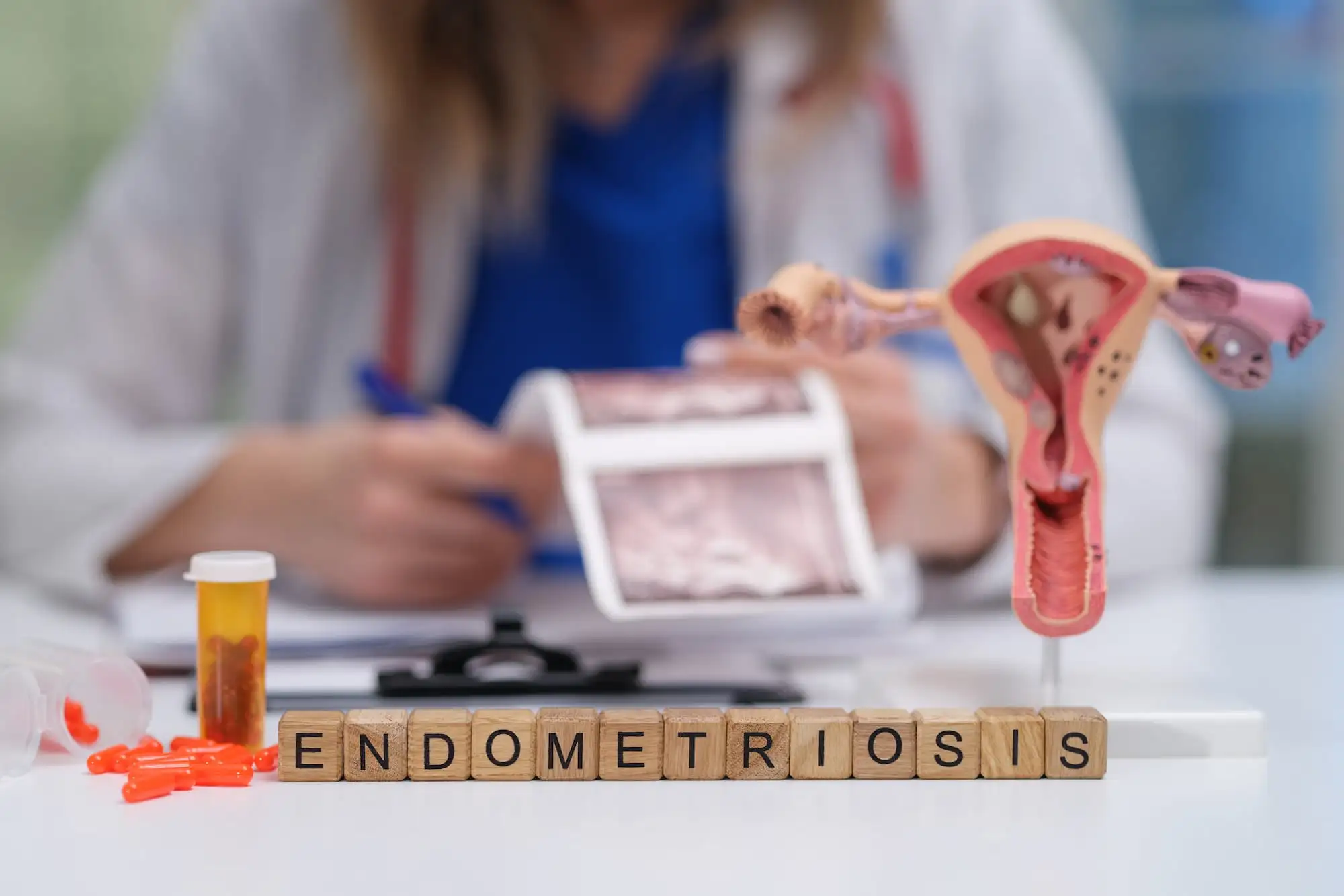
Эндометриоз — это хроническое эстроген-зависимое воспалительное заболевание, которое поражает женщин репродуктивного возраста.
Эндометриоз — это хроническое эстроген-зависимое воспалительное заболевание, которое поражает женщин репродуктивного возраста. Клиническая картина включает боли в малом тазу, болезненный половой акт (диспареунию) и болезненные менструации (дисменорею), при этом заболевание наносит серьезный ущерб как физическому, так и психологическому здоровью. Комбинированные оральные контрацептивы являются средствами консервативной терапии первой линии, предназначенными для индукции аменореи и подавления функции яичников. Однако варианты терапии, содержащие этинилэстрадиол, сопряжены с установленными рисками метаболических нарушений и венозных тромбоэмболических осложнений.
Новая контрацептивная комбинация включает эстетрол (E4) — природный эстроген плода с селективным тканевым действием — и дроспиренон (DRSP), прогестаген с антиминералокортикоидными свойствами. Данное сочетание потенциально отличается улучшенным профилем безопасности и меньшим влиянием на метаболизм. В данном исследовании изучались терапевтическая эффективность и переносимость непрерывного применения E4/DRSP для устранения симптомов, связанных с эндометриозом.
В этом ретроспективном когортном исследовании проводилось наблюдение за 40 пациентками с диагнозом эндометриоз. Критериям включения соответствовали женщины репродуктивного возраста с выраженными симптомами, что определялось по исходному показателю боли по визуальной аналоговой шкале (ВАШ), превышающему 6. Пациенткам был назначен непрерывный ежедневный прием 14 мг E4 в комбинации с 3 мг DRSP общей продолжительностью 6 месяцев.
Вместо того чтобы полагаться только на единичную оценку после лечения, клинический ответ отслеживался динамически в трех ключевых контрольных точках: исходный уровень, 3 месяца и 6 месяцев. Интенсивность боли в различных областях - в частности, хронической тазовой боли, диспареунии и дисменореи - оценивалась с использованием ВАШ наряду со стандартизированными параметрами качества жизни. Наряду с мониторингом симптомов, подгруппа пациенток с наличием эндометриом яичников проходила серийное ультразвуковое исследование для количественной оценки изменений объема эндометриом, в то время как связанные с лечением нежелательные явления регистрировались на протяжении всего исследования для оценки общей переносимости.
Непрерывное применение E4/DRSP (14 мг/3 мг) обеспечило выраженное облегчение боли, полный контроль дисменореи и умеренное уменьшение размеров эндометриом в течение 6 месяцев терапии. Сочетание благоприятного профиля нежелательных явлений и хорошей переносимости делает данный режим применения нативного эстрогена привлекательным выбором для длительной консервативной терапии эндометриоза.
Gynecological Endocrinology
Continuous estetrol/drospirenone regimen for the treatment of endometriosis-related pain: preliminary results
Michela Dell'Aquila и соавт.











Комментарии (0)