

Категории
Сменить пароль!
Сброс пароля!



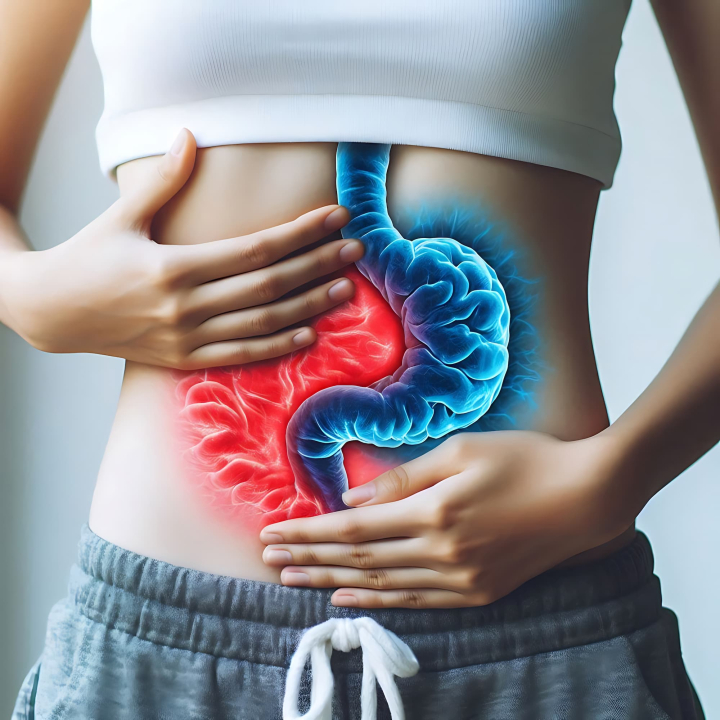
Гастроэзофагеальная рефлюксная болезнь (ГЭРБ) — одно из наиболее распространенных заболеваний желудочно-кишечного тракта в мире, часто приводящее к хроническим симптомам и развитию зависимости от ингибиторов протонной помпы (ИПП).
ARMS-L значительно облегчает симптомы ГЭРБ и улучшает качество жизни в долгосрочной перспективе, особенно у пациентов с ИПП-зависимой ГЭРБ, ассоциированной с релаксацией нижнего пищеводного сфинктера.
Гастроэзофагеальная рефлюксная болезнь (ГЭРБ) — одно из наиболее распространенных заболеваний желудочно-кишечного тракта в мире, часто приводящее к хроническим симптомам и развитию зависимости от ингибиторов протонной помпы (ИПП). Новая эндоскопическая методика, лигатурно-ассистированная антирефлюксная мукозэктомия (ARMS-L) — модифицированная версия традиционной процедуры ARMS, сочетающая лигатуру с эндоскопической мукозэктомией, — показала многообещающие результаты. Целью данного исследования было определение долгосрочной безопасности и эффективности ARMS-L у пациентов с ИПП-зависимой ГЭРБ, ассоциированной с релаксацией нижнего пищеводного (кардиоэзофагеального) сфинктера.
В это проспективное клиническое исследование были включены 189 пациентов с ИПП-зависимой ГЭРБ, ассоциированной с релаксацией нижнего пищеводного сфинктера. Основной целью исследования была оценка эффективности лечения на основе субъективных и объективных показателей: изменения баллов по шкале качества жизни, связанного со здоровьем при ГЭРБ (GERD-HRQL), и частоты прекращения приема ИПП при последующем наблюдении. В качестве вторичных конечных точек оценивались улучшения показателей GERD-Q, манометрии высокого разрешения, суточной pH-импедансометрии и степени гастроэзофагеального клапана по Хиллу (AFS) как показатели состояния/функции пищеводно-желудочного перехода.
Всем пациентам была успешно проведена процедура ARMS-L, средний период наблюдения составил 48 месяцев. Значительная часть пациентов 70,3% (133 из 189) достигла улучшения общего балла по шкале GERD-HRQL как минимум на 50%. Объективные показатели продемонстрировали заметное физиологическое улучшение:
Кроме того, 70,9% пациентов полностью прекратили прием ИПП, а 29,1% нуждались в них лишь изредка. Улучшение симптомов наблюдалось на всех стадиях по шкале AFS, при этом наиболее выраженный эффект отмечался на 2-й и 3-й стадиях, где показатель по шкале DeMeester снизился с 27,98 до 7,86 и с 28,86 до 8,90 соответственно.
Методика ARMS-L предлагает безопасное, эффективное и долговременное решение для лечения ГЭРБ, обеспечивая длительное облегчение симптомов и улучшение качества жизни, особенно для пациентов с ИПП-зависимой ГЭРБ, ассоциированной с релаксацией нижнего пищеводного сфинктера. Эти результаты подтверждают клинический потенциал ARMS-L как малоинвазивной альтернативы традиционным методам лечения ГЭРБ.
United European Gastroenterology Journal
Ligation-Assisted Antireflux Mucosectomy on PPI-Dependent and Cardioesophageal Sphincter Relaxed GERD: 4 Years Results of a Prospective, Multicenter Study (With Video)
Yuhao Zhu и соавт.










Комментарии (0)