

Категории
Сменить пароль!
Сброс пароля!


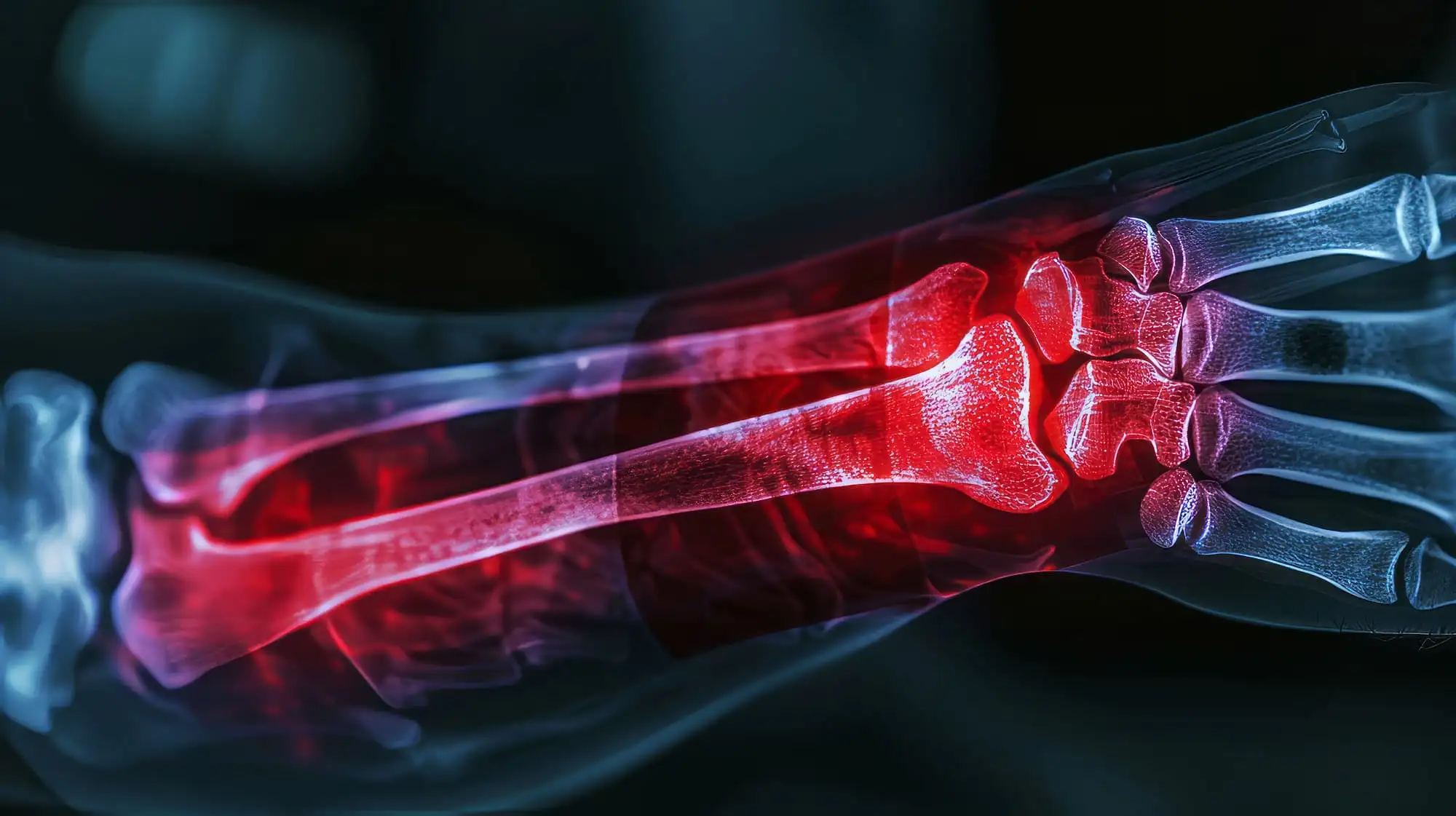
Послеоперационное применение кеторолака снижает зависимость от опиоидов и риск тромбоэмболии после спондилодеза поясничного отдела позвоночника, одновременно сохраняя заживление костной ткани, что подтверждает его роль как безопасного и эффективного варианта лечения боли.
Согласно результатам исследования, применение кеторолака в послеоперационном периоде после спондилодеза поясничного отдела позвоночника связано с более низким потреблением опиоидов и меньшим количеством тромбоэмболических осложнений без увеличения риска псевдоартроза. Даниэлла Огилви и соавт. (Daniella Ogilvie et al.) провели это ретроспективное когортное исследование, чтобы определить, может ли применение кеторолака в послеоперационном периоде снизить потребность в опиоидах после спондилодеза поясничного отдела позвоночника, не нарушая процесс заживления костной ткани, что позволило по-новому взглянуть на его роль в лечении болевого синдрома.
Данные сети TriNetX использовались для выявления пациентов, перенесших спондилодез поясничного отдела позвоночника, с минимальным периодом наблюдения в 30 дней, исключая тех, у кого в анамнезе был псевдоартроз. Участники были разделены на две когорты в зависимости от того, получали ли они кеторолак в послеоперационном периоде, при этом группы были сопоставлены 1:1 по демографическим и клиническим факторам, таким как возраст, пол, сопутствующие заболевания и этническая принадлежность.
Первичными конечными точками были частота назначения опиоидов через 7, 14 и 30 дней после операции, а также частота возникновения псевдоартроза, оцениваемая с интервалами наблюдения в 1 и 2 года. Вторичные конечные точки включали использование препаратов для регуляции функции кишечника, послеоперационный илеус, тромбоэмболические осложнения, функцию почек, потребность в трансфузиях, инфекционные осложнения, раневые осложнения, лабораторные показатели, повторные госпитализации и механические осложнения, что обеспечило всестороннюю оценку послеоперационного восстановления. В каждую подобранную группу вошло 15 260 пациентов.
Основные результаты
Исследователи пришли к выводу, что послеоперационное применение кеторолака снижает потребность в опиоидах и тромбоэмболический риск, не оказывая негативного влияния на целостность костной ткани и механическую стабильность, что подтверждает его роль в качестве безопасного и эффективного средства для ускорения восстановления после поясничного спондилодеза.
Spine
Postoperative Ketorolac Administration and Pseudoarthrosis Following Lumbar Spinal Fusion: A Matched Cohort Study
Daniella Ogilvie и соавт.











Комментарии (0)