

Категории
Сменить пароль!
Сброс пароля!


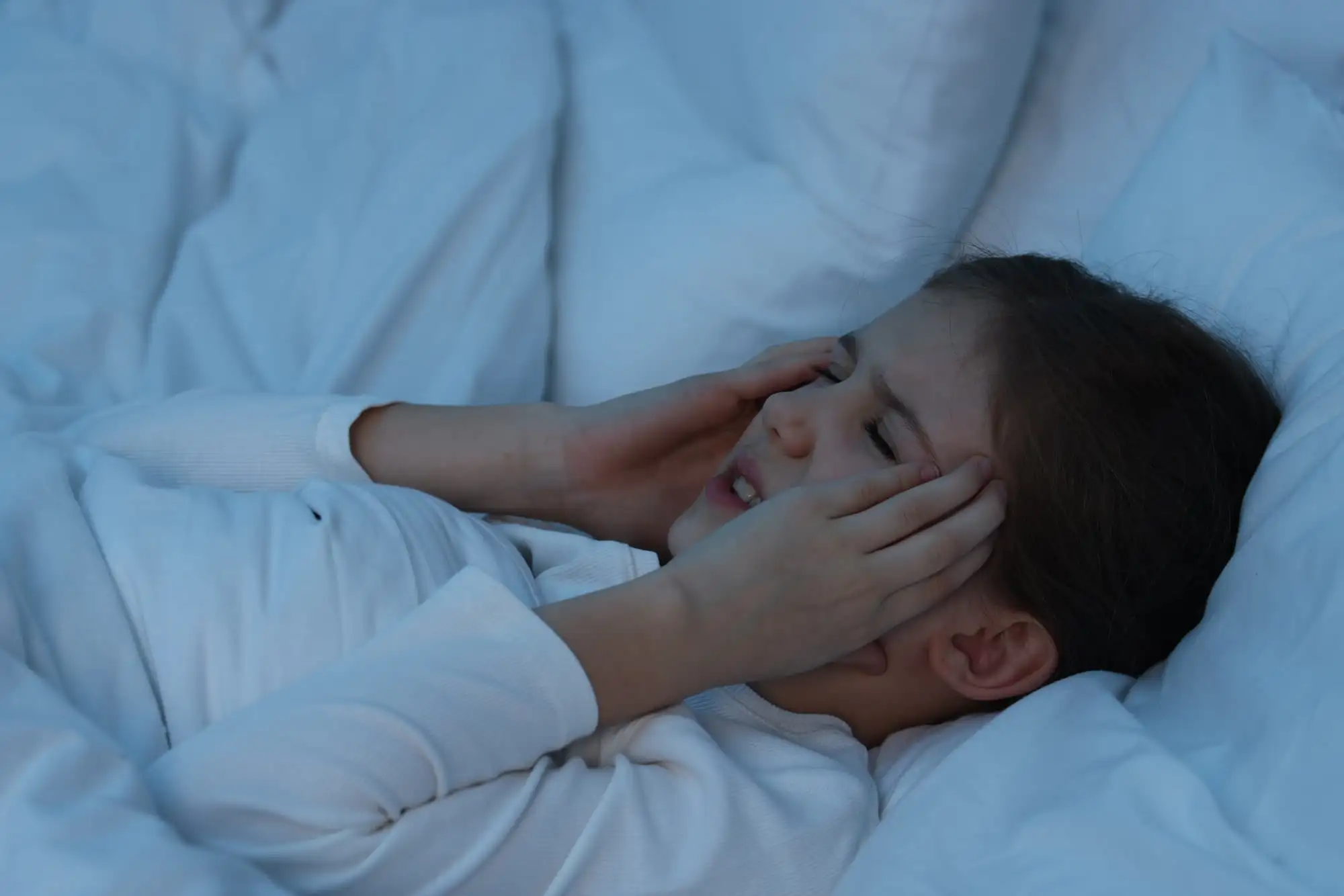
Комплексная междисциплинарная модель оптимизирует лечение головной боли у детей путем интеграции биоповеденческих вмешательств с клинической точностью для повышения успеваемости в школе и общего благополучия.
В ключевом кратком отчёте подробно представлен развивающийся ландшафт медицинской помощи при головной боли у детей. Исследование выявило, что первичные головные боли у детей представляют собой огромную проблему для общественного здравоохранения, с распространенностью, превышающей 60%. Эти состояния были признаны сложными биопсихосоциальными расстройствами, которые значительно ухудшали посещаемость школы и качество жизни, а также семейные отношения.
Такие головные боли были охарактеризованы как сложные биопсихосоциальные состояния. В обзоре были рассмотрены последние литературные данные, критерии классификации Международной классификации головной боли 3-го пересмотра (ICHD-3), а также согласованные рекомендации Американской академии неврологии (AAN) и Американского общества головной боли (AHS). Он был сосредоточен особенно на мигрени и головной боли напряжения у подростков и детей.
Была подчёркнута значимая взаимная коморбидность головных болей и нарушений нейроразвития. Синдром дефицита внимания и гиперактивности (СДВГ), нарушения обучаемости, наряду с расстройствами настроения, такими как тревожность и депрессия, были одними из них. Клинические данные позволяют предположить, что эти связи, вероятно, опосредованы общей дисрегуляцией нейротрансмиттеров. Диагностика по-прежнему оставалась преимущественно клинической и опиралась на детальный сбор анамнеза и выявление «красных флагов» для исключения вторичных причин.
Что касается лечения, терапевтическая парадигма делала упор на подход, в первую очередь основанный на биоповеденческих принципах. Этот переход последовал за результатами исследования по профилактике мигрени у детей и подростков CHAMP (Childhood and Adolescent Migraine Prevention), продемонстрировавшего высокие показатели ответа на плацебо в профилактических исследованиях. В остром периоде лечение по-прежнему опиралось в первую очередь на нестероидные противовоспалительные препараты (НПВП) и триптаны, а терапия, направленная против кальцитонин-ген-родственного пептида (CGRP), появлялась как потенциальный вариант для трудно поддающихся лечению случаев.
В конечном итоге отчёт подтвердил, что мультидисциплинарный подход более эффективен, чем одномодальное лечение. Этот многофакторный подход сочетал модификацию образа жизни, когнитивно-поведенческую терапию (КПТ), биологическую обратную связь и разумную фармакотерапию для оптимизации результатов лечения пациентов. За счёт применения взаимодополняющих подходов к лечению удалось уменьшить степень нетрудоспособности, улучшить общее функционирование и предотвратить хронизацию заболевания.
Naunyn-Schmiedeberg's Archives of Pharmacology
Multidisciplinary management of headache in developmental age: effects on school performance, quality of life, and therapeutic perspectives
Francesco Ferrara и соавт.







Комментарии (0)