

Категории
Сменить пароль!
Сброс пароля!



Структурированная программа обучения ведущих IMGV значительно повышает уверенность врачей в применении немедикаментозных методов лечения хронической боли.
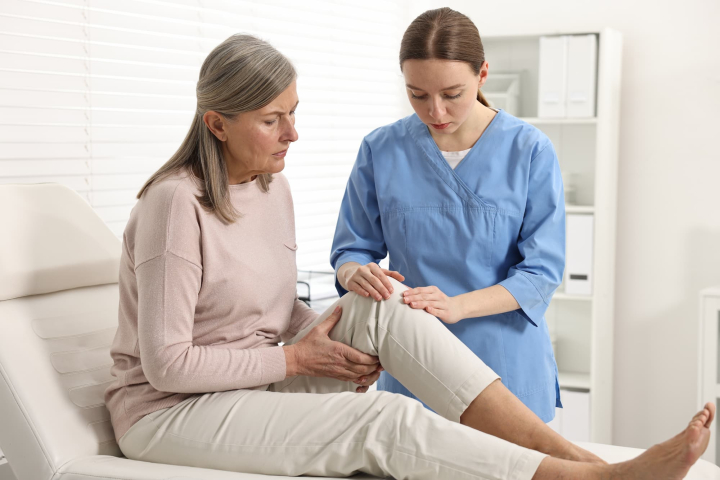
Поскольку опиоидный кризис продолжает приводить к сотням смертей каждый день, расширение доступа к эффективному нефармакологическому лечению боли стало приоритетом здравоохранения. Новое исследование показывает, что структурированная программа обучения ведущих групповых консультаций в интегративной медицине (IMGV) способна обеспечить клиницистов первичного звена навыками и уверенностью для применения доказательных психосоматических методик при хронической боли в опорно-двигательном аппарате в медицинских учреждениях для социально незащищённых групп.
Исследователи разработали и оценили 40-часовую программу обучения ведущих IMGV для клинического персонала Департамента здравоохранения округа Лос-Анджелес (LAC DHS). Учебная программа сочетала онлайн-модули обучения, обсуждение клинических случаев и практические семинары, подготавливая добровольцев к проведению групповых занятий, интегрирующих акупунктуру, медитацию, тайцзи, йогу и акупрессуру в лечение хронической боли.
Проспективное когортное исследование типа «до-после» включило 59 медицинских работников из трех медицинских центров LAC DHS и аффилированных клиник в 2020 году. Изменения в уровне уверенности измерялись с помощью шкалы самоэффективности в применении немедикаментозных методов лечения при частых симптомах (SEND), в то время как выполнимость и приемлемость программы оценивались на основе показателя завершения курса, оценок участников и полуструктурированных интервью.
Почти половина участников (49%) завершили обучение. Врачи составляли 37% стажеров, за ними следовали реабилитологи (22%); женщины составляли 80% участников. Важно отметить, что лица, не являющиеся врачами, на 28% чаще, чем врачи, успешно сдавали итоговый экзамен (P = 0,040). Программа вызвала значительное повышение уверенности участников в обучении немедикаментозным стратегиям обезболивания. Показатели SEND повысились на 20,9 балла после обучения (P < 0,001), что указывает на заметный рост самоэффективности в проведении и обучении интегративным методам обезболивания.
Участники высоко оценили учебную программу, особенно практические занятия по тайцзи и акупрессуре, которые были признаны наиболее ценными компонентами. Они также предложили сделать онлайн-модули более гибкими, чтобы сократить затраты времени. Хотя связанные с COVID-19 нарушения повлияли на ход и завершение курса, обучение оставалось практичным и хорошо воспринимаемым. Следовательно, программа обучения ведущих IMGV может успешно наращивать кадровый потенциал для интегративного лечения хронической боли в системах здравоохранения, обеспечивающих социальную защиту. Повышая уверенность врачей в применении научно обоснованных немедикаментозных методов лечения, программа предлагает масштабируемую стратегию для расширения доступа к комплексному лечению боли и минимизации зависимости от опиоидной терапии.
Global Advances in Integrative Medicine and Health
Implementing an Integrative Medicine Group Visit Facilitator Training Program to Improve Chronic Pain Management in the Safety-Net
Emiley Chang и соавт.









Комментарии (0)