

Категории
Сменить пароль!
Сброс пароля!


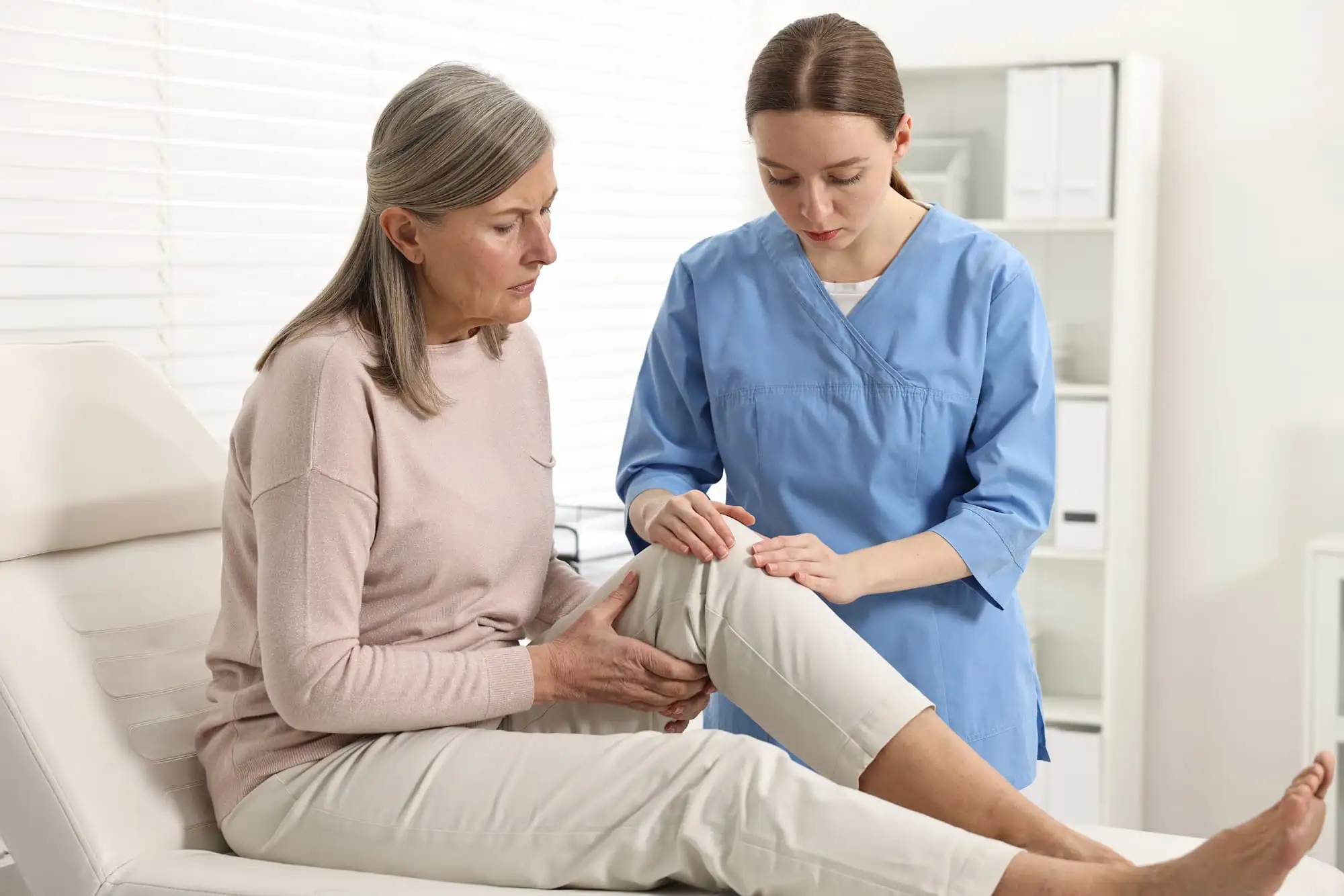
Использование тестов «сесть-встать» как с поддержкой, так и без нее дает более полную картину нагрузки на коленный сустав и контроля движений у пациентов с остеоартритом коленного сустава.
Пациенты с остеоартритом коленного сустава (ОАКС) часто используют поддержку рук, чтобы встать со стула, однако стандартные клинические тесты «сесть-встать» (STS) обычно запрещают опору на верхние конечности. Новое биомеханическое исследование предполагает, что этот традиционный подход может упускать из виду фундаментальные стратегии движений, используемые во время повседневной деятельности, что подчеркивает ценность оценки как тестов с поддержкой, так и без нее.
Летиция Манчини (Letizia Mancini) и соавт. оценили состояние 18 пациентов с ОАКС, выполнявших вставание со стула как без поддержки (uSTS), так и с поддержкой (aSTS); оценка проводилась с использованием трёхмерного анализа движений и динамометрических платформ. Фазы подъёма и опускания анализировали раздельно, чтобы оценить момент сгибания коленного сустава (KFM), скорость и амплитуду смещения центра давления (CoP) в передне-заднем и медиально-латеральном направлениях, а также плавность движений — по показателю длины спектральной дуги (SPARC). Различия между задачами и фазами оценивались с помощью критерия Уилкоксона для связанных выборок, в то время как взаимосвязи между биомеханическими переменными изучались с помощью ранговой корреляции Спирмена.
Анализ показал, что тест STS без поддержки создавал более высокий KFM, чем STS с поддержкой, причем наибольшие различия отмечались во время фазы подъема. В обоих условиях тестирования нагрузка на коленный сустав была неизменно выше при подъеме, чем при спуске, что указывает на то, что вставание создавало большую механическую нагрузку на коленный сустав, чем опускание. Контроль осанки также различался в двух условиях выполнения задания. Во время STS без поддержки скорость и амплитуда передне-заднего перемещения центра давления были больше во время фазы опускания, что предполагает увеличение постуральных корректировок при опускании без помощи рук.
Напротив, во время STS с поддержкой как скорость, так и диапазон перемещения CoP в передне-заднем направлении были выше во время фазы подъема. В обеих фазах движения STS с поддержкой вызывал более плавные движения, что отражалось в более высоких значениях SPARC. Корреляционный анализ дополнительно показал, что стратегии движений варьировали в зависимости как от типа задачи, так и от фазы движения. Во время подъема с поддержкой большая нагрузка на коленный сустав была связана с большим передне-задним диапазоном CoP (ρ = 0,61, p < 0,05), в то время как SPARC в передне-заднем направлении положительно коррелировала с KFM (ρ = 0,66, p < 0,05), указывая на более плавное движение с увеличением KFM.
Во время подъема без поддержки KFM положительно коррелировал с медиально-латеральным диапазоном CoP (ρ = 0,72, p < 0,05), в то время как вертикальная SPARC показала отрицательную корреляцию с KFM (ρ = −0,50, p < 0,05), отражая другую стратегию биомеханического контроля при отсутствии опоры на верхние конечности. Исследователи пришли к выводу, что STS с поддержкой и без нее отражают различные биомеханические стратегии контроля, и что использование только традиционного тестирования без поддержки может не в полной мере отражать функциональную эффективность пациентов во время повседневной деятельности.
Включение обеих методик тестирования в клиническую оценку может обеспечить более полную оценку нагрузки на коленный сустав, контроля равновесия и качества движений, что позволит разработать более индивидуализированные стратегии реабилитации при ОАКС.
Journal of Biomechanics
Investigation of task-specific biomechanical control strategies during sit-to-stand-to-sit in patients with knee osteoarthritis
Letizia Mancini и соавт.











Комментарии (0)