

Категории
Сменить пароль!
Сброс пароля!


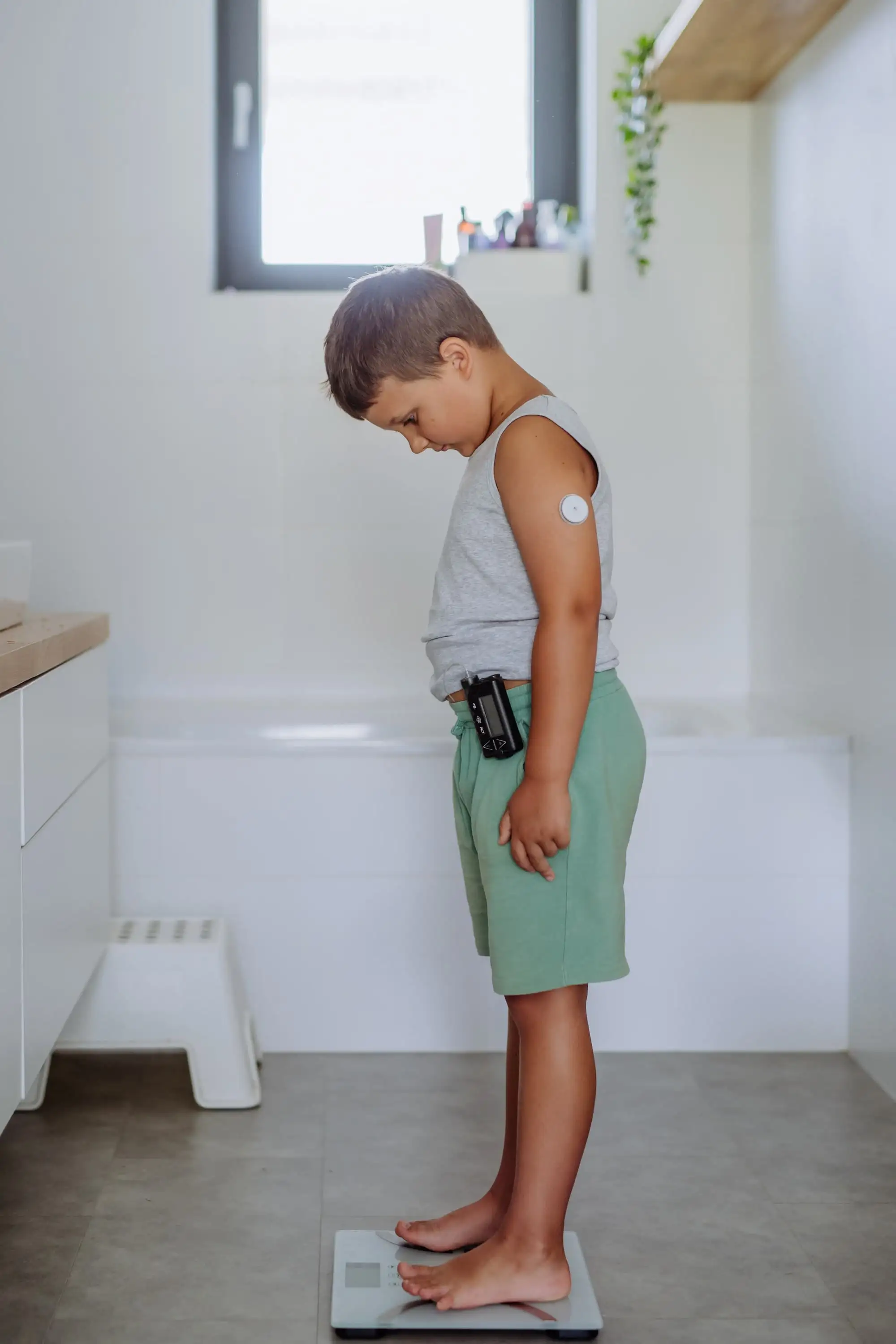
Ожирение является критическим катализатором развития заболеваний у детей, удваивая риск развития сахарного диабета 1 типа и требуя перехода к моделям лечения метаболических заболеваний, ориентированным на контроль массы тела.
Анализ 67 исследований, опубликованных в период с 2010 по 2026 год, оценивал сложную двунаправленную связь между ожирением и сахарным диабетом 1 типа (СД1) у детей и подростков. Полученные результаты в совокупности подтвердили «гипотезу акселератора», согласно которой связанная с массой тела инсулинорезистентность усиливает метаболический стресс в бета-клетках поджелудочной железы. Это, в свою очередь, ускоряет аутоиммунное разрушение и провоцирует более раннее появление клинических симптомов у генетически предрасположенных лиц.
Данные популяционного исследования когорты из 1,4 миллиона подростков продемонстрировали, что ожирение было связано с двукратным увеличением риска возникновения заболевания (отношение рисков [HR] 2,05). Более того, менделевская рандомизация предоставила причинные доказательства этой связи, показав, что генетически предсказанное увеличение индекса массы тела (ИМТ) в детстве на 1 стандартное отклонение было связано с повышением риска развития СД1 на 32%.
Были выделены тревожные статистические данные о динамике массы тела у детей:
В ходе исследования было также установлено появление фенотипа «двойного диабета», при котором аутоиммунное поражение бета-клеток сочетается с признаками инсулинорезистентности, характерными для диабета 2 типа. Это двойное бремя было связано с несколькими серьёзными клиническими последствиями:
Увеличение массы тела после постановки диагноза было обусловлено сложным взаимодействием факторов, включая интенсивную инсулинотерапию, особенности полового созревания и «защитное питание» для предотвращения гипогликемии. Важно отметить, что у девочек была выявлена более высокая вероятность следования неблагоприятным траекториям увеличения массы тела, чем у мальчиков. В свете полученных результатов авторы пришли к выводу, что контроль массы тела и снижение кардиометаболического риска должны быть интегрированы в рутинную педиатрическую помощь при СД1 наряду с традиционными целевыми показателями гликемии.
Children
The Bidirectional Relationship Between Type 1 Diabetes Mellitus and Obesity in Pediatric Patients: A Systematic Review
Cătălina Mărgineanu и соавт.













Комментарии (0)