

Категории
Сменить пароль!
Сброс пароля!


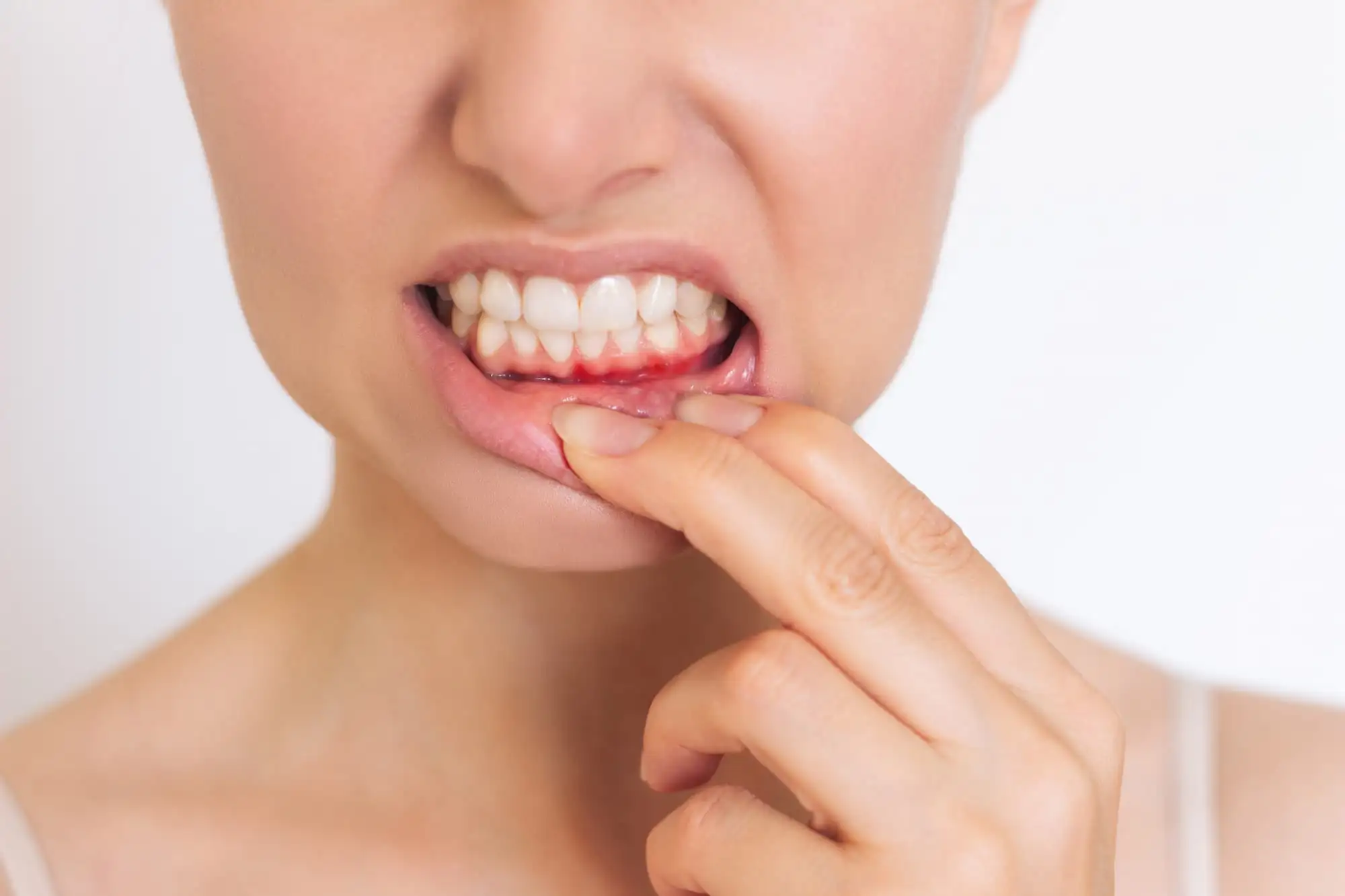
Ежедневное употребление чая матча значительно уменьшает зубной налет, кровоточивость при зондировании и показатели окислительного стресса, способствуя оздоровлению десен у пациентов с очаговым гингивитом.
Согласно результатам недавнего исследования, включение чая матча в ежедневный рацион может служить естественным, богатым антиоксидантами средством для поддержания здоровья десен и уменьшения воспаления, предлагая дополнительный подход к традиционным методам гигиены полости рта.
В этом пилотном контролируемом исследовании приняли участие 27 взрослых пациентов с диагнозом очаговый гингивит, определяемый как индекс кровоточивости при зондировании (BOP) от 10% до 30%. В течение 30 дней пациенты дважды в день употребляли чай матча, при этом соблюдая обычные правила гигиены полости рта. Клинические обследования включали определение индекса зубного налета (PI), BOP и уровня 8-гидрокси-2'-дезоксигуанозина (8-OHdG) в слюне, измеренных в начале исследования и после вмешательства.
После вмешательства пациенты были разделены на две категории: «здоровые» (BOP <10%) и «пациенты с гингивитом» (BOP ≥10%). Были проведены расширенные статистические методы анализа, включая регрессионный анализ, корреляционный анализ, ANCOVA, тесты Уилкоксона и Манна-Уитни, а также построение ROC кривых для определения порогового значения BOP, позволяющего прогнозировать успешное восстановление здоровья десен. Через месяц у всех участников исследования наблюдалось заметное снижение показателей PI, BOP и 8-OHdG. Наибольшее улучшение наблюдалось у тех, кто достиг показателя BOP <10%:
У пациентов, у которых сохранялся гингивит, наблюдалось существенное снижение показателей PI и BOP, но без заметных изменений в уровне 8-OHdG. ROC-анализ показал, что исходный уровень BOP менее 18% является предиктором высокой вероятности улучшения состояния десен при применении чая матча (специфичность = 0,70, чувствительность = 0,92). Таким образом, ежедневное употребление чая матча может улучшить здоровье десен, уменьшить воспаление и снизить показатели окислительного стресса, особенно у людей с более низким исходным уровнем BOP.
Oral Health and Preventive Dentistry
Does Daily Intake of Matcha Tea Enhance The Periodontal Health of Patients With Localised Gingivitis: A Control Study
Rasha Salah Abood и соавт.












Комментарии (0)