

Категории
Сменить пароль!
Сброс пароля!


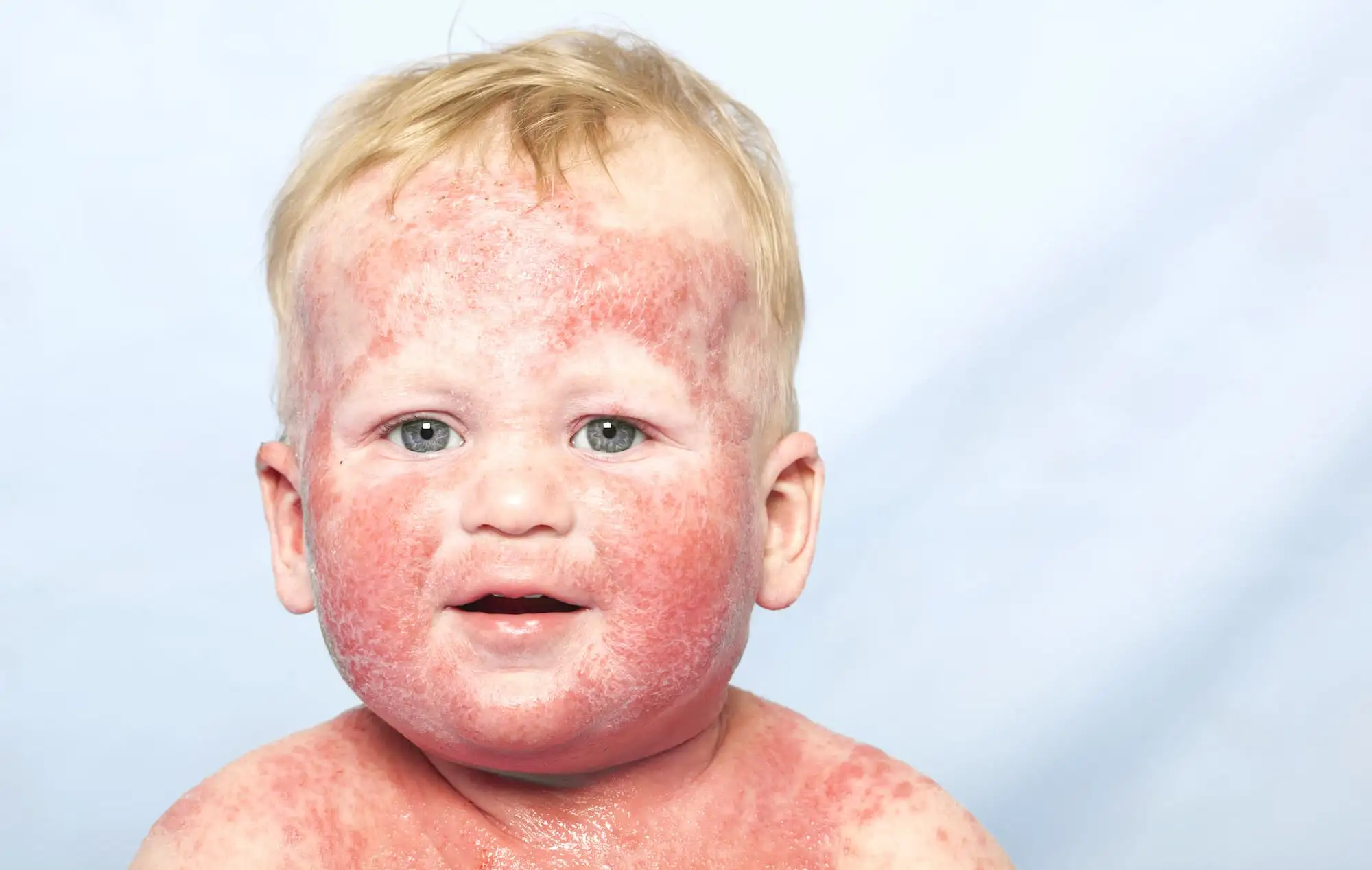
Исключительно грудное вскармливание обеспечивает более эффективную иммунологическую защиту недоношенных детей, значительно уменьшая симптомы аллергии и стабилизируя воспалительные факторы по сравнению с искусственным вскармливанием.
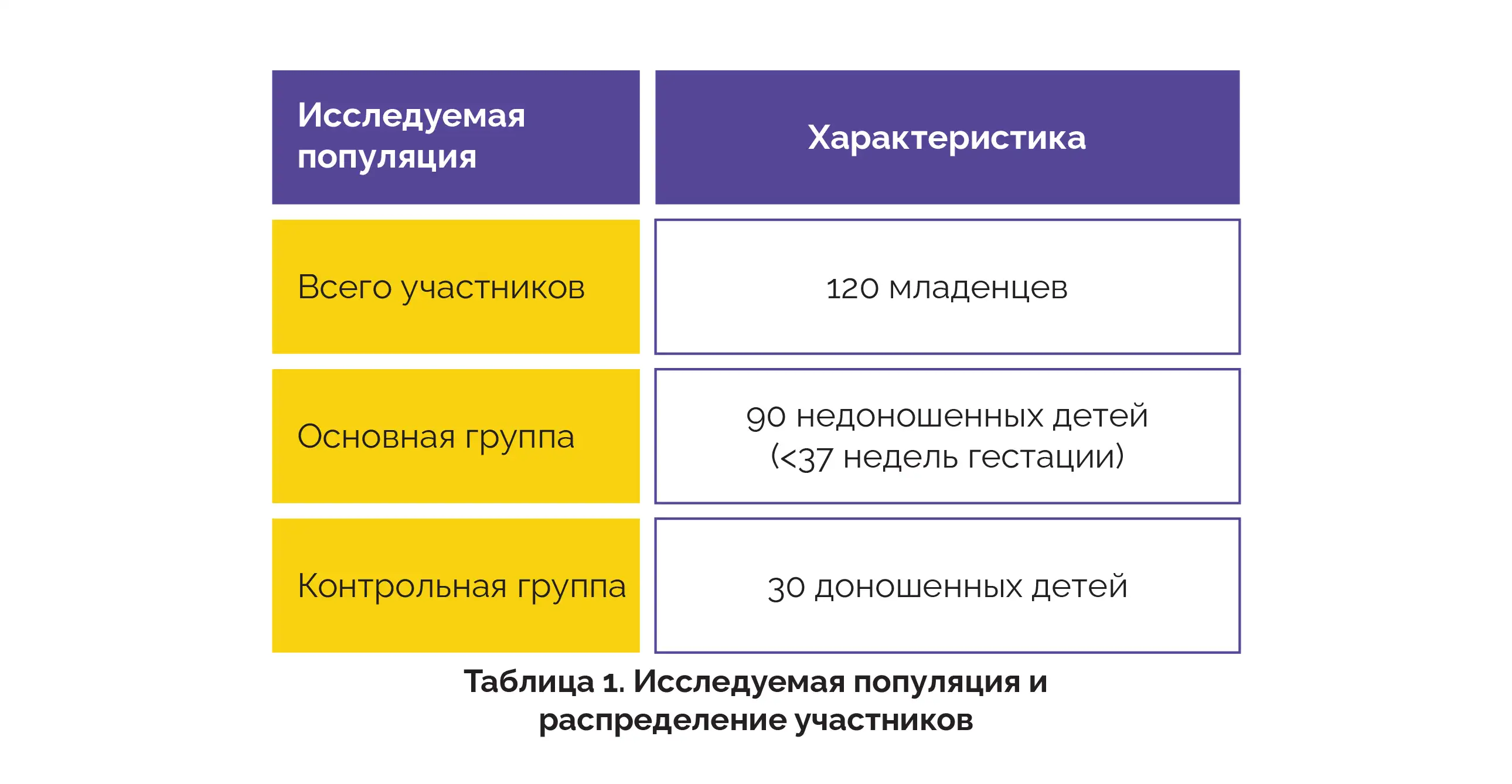
Недоношенные дети сталкиваются с уникальной проблемой: их иммунная система и желудочно-кишечный тракт всё ещё развиваются при рождении, что потенциально повышает их уязвимость к аллергическим заболеваниям. Новые данные свидетельствуют о том, что рацион питания этих младенцев может влиять на их ранний аллергический профиль. Авторы включили в исследование 120 младенцев и разделили их на две группы, как показано в таблице 1:
Недоношенные дети были разделены на три отдельные подгруппы: получавшие исключительно грудное вскармливание, искусственное вскармливание или смешанное вскармливание. Исследователи тщательно оценивали клинические проявления аллергии, такие как атопический дерматит, желудочно-кишечные симптомы, рецидивирующие кожные высыпания и признаки пищевой непереносимости.
Результаты исследования выявили четкую корреляцию между типами вскармливания и показателями здоровья. Аллергические проявления были более частыми среди недоношенных детей, находившихся на искусственном вскармливании, чем среди находившихся на грудном вскармливании. Кроме того, лабораторные показатели подтвердили эти клинические наблюдения: у младенцев, получавших искусственное вскармливание, чаще наблюдалось повышение количества эозинофилов в периферической крови и увеличение общего уровня сывороточного иммуноглобулина Е (IgE).
Напротив, у недоношенных детей, находящихся на грудном вскармливании, наблюдалась значительно меньшая частота аллергических симптомов и более легкое клиническое течение заболевания. Эти результаты подтвердили важную защитную роль грудного вскармливания в формировании иммунной толерантности и здоровой кишечной микробиоты. В результате исследования был сделан вывод, что индивидуальная нутритивная поддержка остается приоритетом для этой группы высокого риска с целью смягчения воспалительных реакций и укрепления здоровья в долгосрочной перспективе.
BG Pulse Journal
CLINICAL AND IMMUNOLOGICAL FEATURES OF ALLERGIC DISEASES IN PREMATURE INFANTS DEPENDING ON THE TYPE OF FEEDING
Murtazayeva Zilola Fakhriddinovna и соавт.

















Комментарии (0)