

Категории
Сменить пароль!
Сброс пароля!


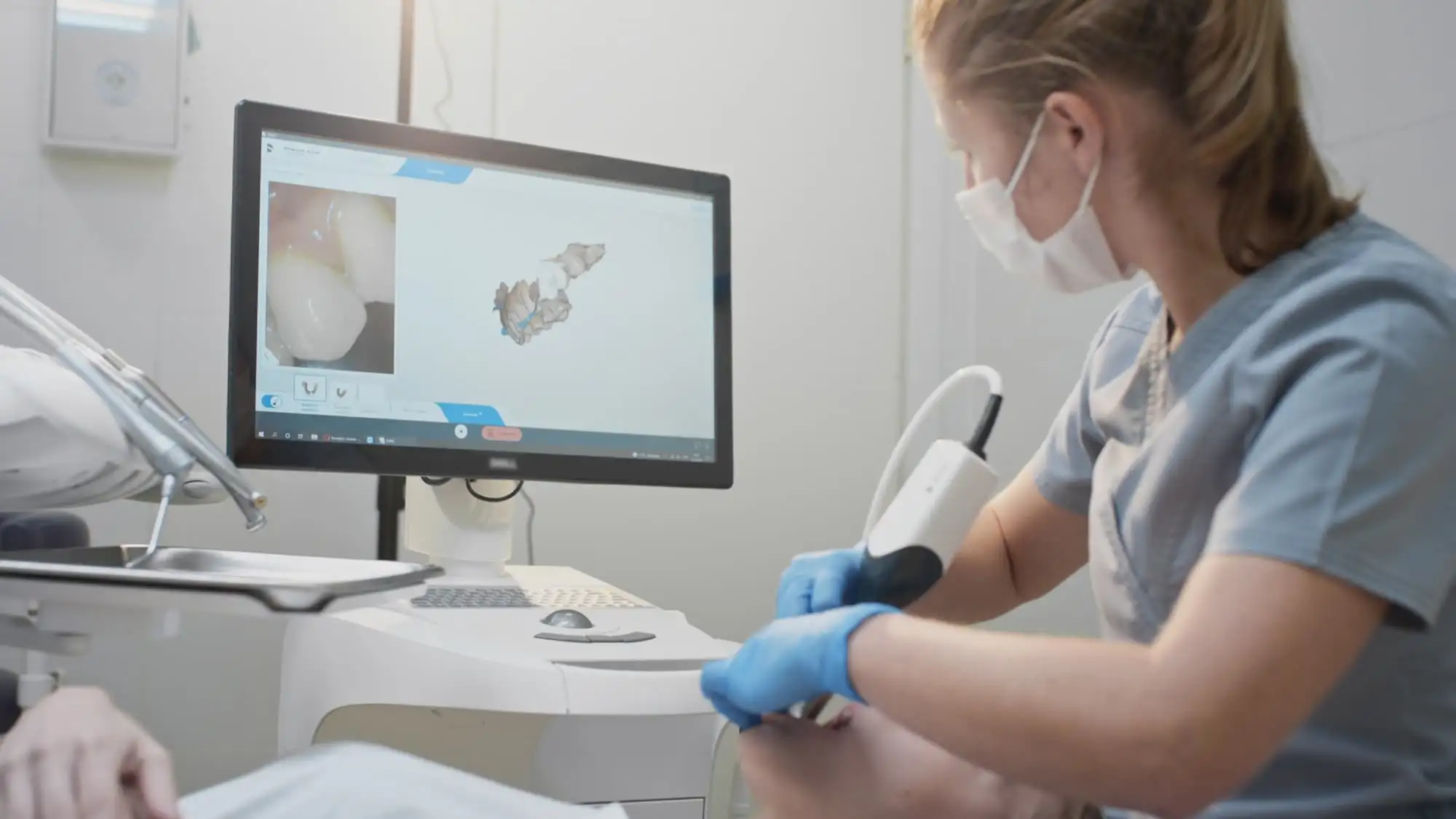
Искусственный интеллект точно сегментирует и классифицирует красный плоский лишай полости рта, лейкоплакию полости рта и доброкачественные язвы полости рта, что способствует развитию точной диагностики и клинической поддержки принятия решений в стоматологической практике.
Одним из самых больших препятствий для применения искусственного интеллекта (ИИ) в стоматологической практике являлись не сами алгоритмы, а нехватка больших стандартизированных клинических наборов данных с надежной экспертной разметкой. Чтобы восполнить этот пробел, исследователи разработали комплексный набор изображений, включающий красный плоский лишай полости рта, лейкоплакию полости рта и доброкачественные язвы полости рта. Они оценили, насколько точно ведущие модели глубокого обучения могут локализовать поражения и различать эти клинически важные заболевания слизистой оболочки полости рта.
Проект объединил 808 интраоральных изображений высокого разрешения, полученных от 350 пациентов; каждое изображение было независимо оценено тремя стоматологами-экспертами. Каждому изображению присвоили диагностический ярлык и выполнили детальную пиксельную разметку поражения, прежде чем использовать его для обучения и проверки пяти современных архитектур глубокого обучения, что позволило напрямую сравнить их диагностическую эффективность в стандартизированных условиях.
Сравнительные результаты подтвердили, что данный набор данных позволял создавать устойчивые модели на всех протестированных архитектурах. Лучшая модель показала средний коэффициент Дайса 0,768 ± 0,031 при сегментации очагов поражения и общую точность классификации заболеваний 94%, что свидетельствует о её высокой результативности как в определении локализации поражений, так и в прогнозировании диагноза. Пиксельная разметка на уровне экспертов также обеспечила надежный референсный стандарт для оценки и сравнения различных моделей ИИ.
Помимо улучшения эффективности алгоритмов, исследование предоставляет важный ресурс для будущих исследований в области ИИ-диагностики в стоматологии. Стандартизированный высококачественный набор данных позволяет разрабатывать модели с более высокой воспроизводимостью, облегчает объективное сравнение новых технологий и приближает диагностику с помощью ИИ на шаг ближе к рутинному клиническому внедрению. По мере дальнейшего развития этих инструментов они могут повысить согласованность диагностики и помочь врачам в раннем выявлении распространенных заболеваний слизистой оболочки полости рта.
International Dental Journal
Artificial Intelligence-Driven Segmentation of Three Oral Diseases: Enabling Precision Diagnosis and Decision Support
Baowen Cheng и соавт.










Комментарии (0)