

Categories
Change Password!
Reset Password!


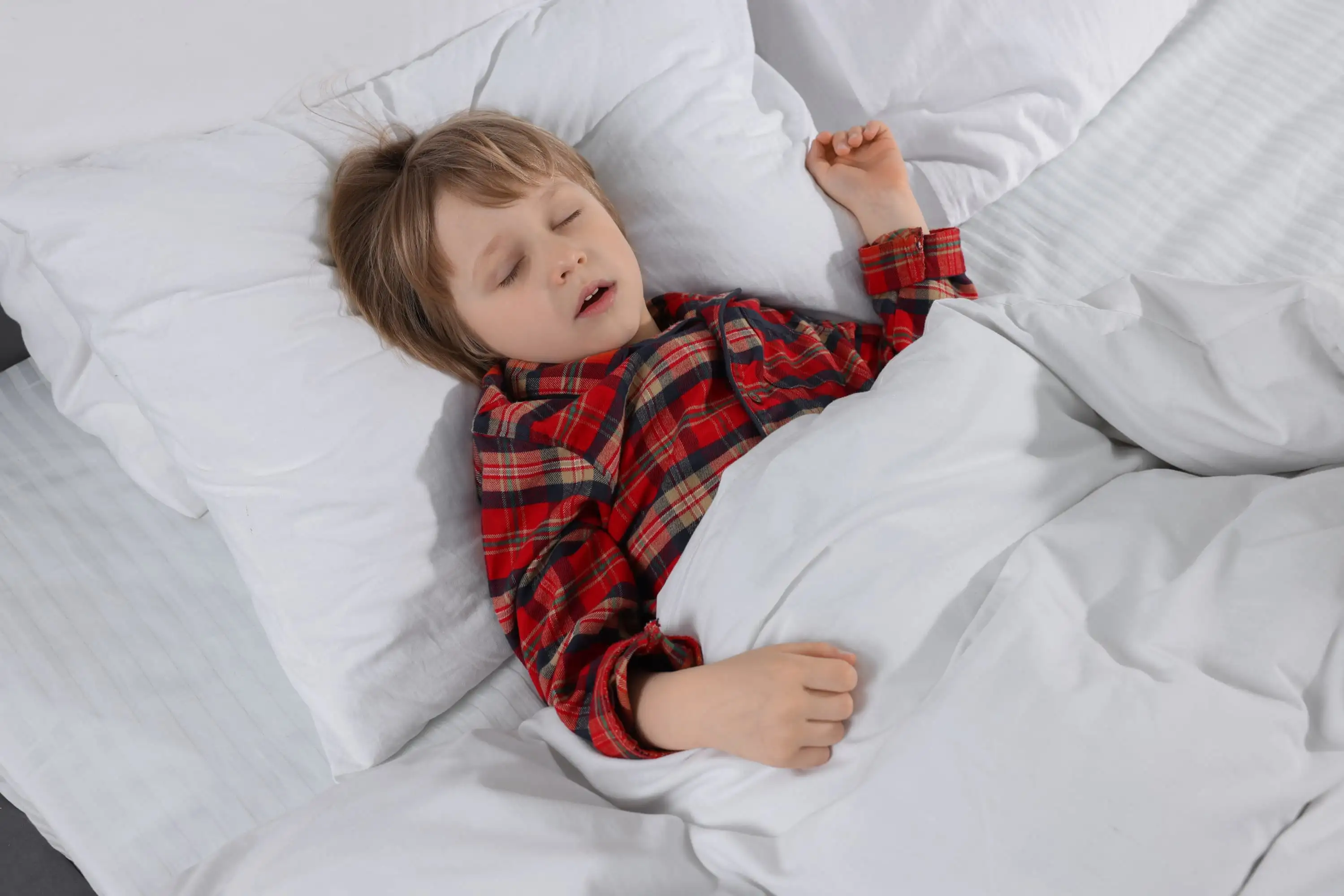
Obstructive sleep apnea (OSA) in preschool children is commonly associated with upper-airway obstruction, particularly from enlarged adenoids and tonsils.
Allergic rhinitis shows a stronger independent association with pediatric obstructive sleep apnea severity than adenoid enlargement.
Obstructive sleep apnea (OSA) in preschool children is commonly associated with upper-airway obstruction, particularly from enlarged adenoids and tonsils. Allergic rhinitis (AR) can also contribute to nasal obstruction and impaired airway function, but its independent contribution to OSA severity remains less clearly defined when adenotonsillar anatomy and other clinical factors are considered. The study aimed to compare the independent contributions of AR, adenoid hypertrophy (AH), and tonsil enlargement to OSA severity in preschool children and identify the strongest independent predictor.
This study evaluated a cohort of 177 pediatric patients aged 3 to 6 years. Participants were stratified into four distinct cohort categories based on endoscopic adenoid assessment (nasal endoscopic obstruction >75%) and AR status (confirmed via serum total immunoglobulin E [IgE], inhalant-specific IgE testing, or established clinical criteria):
OSA severity was assessed using the apnea-hypopnea index (AHI) from polysomnography. Kruskal-Wallis, Spearman correlation, and multivariate regression analyses were performed to assess group differences, the IgE–AHI relationship, and independent predictors of natural log-transformed AHI (ln_AHI).
AR emerged as the strongest independent predictor of OSA severity in preschool children, followed by tonsil size, BMI, and adenoid size. The findings highlight the importance of assessing allergic status alongside adenotonsillar anatomy when evaluating pediatric OSA.
European Archives of Oto-Rhino-Laryngology
Allergic rhinitis is the strongest independent predictor of obstructive sleep apnea severity in preschool children
Linyuan Sima et al.









Comments (0)