

Categories
Change Password!
Reset Password!



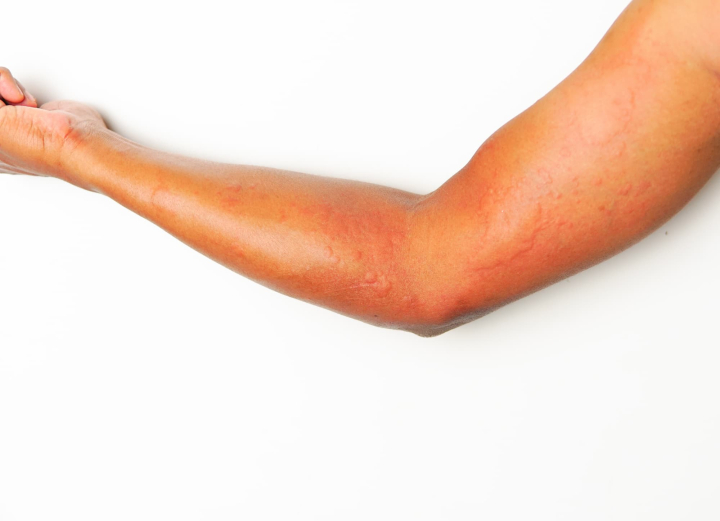
Plaque psoriasis is a chronic, immune-mediated inflammatory skin disease marked by excessive keratinocyte proliferation and erythematous, scaly plaques.
Once-daily tapinarof 1% cream improves plaque psoriasis severity and may sustain clinical benefits for a median of four months after treatment discontinuation.
Plaque psoriasis is a chronic, immune-mediated inflammatory skin disease marked by excessive keratinocyte proliferation and erythematous, scaly plaques. Conventional topical treatments, including corticosteroids and vitamin D analogues, may be linked with limitations during prolonged use, particularly skin atrophy with topical corticosteroids. Tapinarof, a first-in-class, non-steroidal topical agent that modulates the aryl hydrocarbon receptor, offers an alternative therapeutic approach targeting inflammation and skin barrier dysfunction.
This systematic review evaluated the mechanism of action, pharmacology, clinical efficacy, and safety of tapinarof 1% cream in adults with plaque psoriasis. Evidence from the Phase III PSOARING 1 and PSOARING 2 clinical trials was examined. The key efficacy endpoint was Physician’s Global Assessment (PGA) success, defined as attaining clear (score 0) or almost-clear (score 1) skin, together with a betterment of at least two grades from baseline. Alteration in the Psoriasis Area and Severity Index (PASI) and treatment-related adverse events were also assessed.
Across the PSOARING 1 and PSOARING 2 trials, once-daily tapinarof 1% cream significantly improved PASI scores and PGA response rates compared with vehicle control. Beyond improvements during active treatment, tapinarof illustrated a potential remittive effect, with clinical benefits reportedly maintained for a median of four months after treatment discontinuation. The treatment was generally well-tolerated, with localized folliculitis and contact dermatitis among the most frequently reported adverse events; these were typically mild-to-moderate in severity.
Tapinarof 1% cream offered an effective, non-steroidal option for plaque psoriasis, with sustained clinical benefits after treatment discontinuation. Its dual potential to modulate inflammation and support skin barrier function makes it a promising alternative to conventional topical therapies.
Quality in Sport
Tapinarof 1% Cream in Plaque Psoriasis: Mechanism of Action, Pharmacology, Clinical Efficacy, and Emerging Therapeutic Horizons — A Systematic Review
Natalia Paluszkiewicz et al.











Comments (0)