

Categories
Change Password!
Reset Password!



Post-stroke cognitive impairment (PSCI) is markedly exacerbated in type 2 diabetes mellitus (T2DM) sufferers.
Deep metagenomic and metabolomic analyses reveal a tripartite gut ecosystem dysregulation—marked by depleted neuroprotective metabolites, reduced butyrate-producing bacteria, and altered fungal populations—in patients with T2DM and PSCI.
Post-stroke cognitive impairment (PSCI) is markedly exacerbated in type 2 diabetes mellitus (T2DM) sufferers. Yet, the underlying gut microbial and metabolic mechanisms remain poorly understood. While individual alterations in gut bacteria have been noted in diabetes and stroke separately, the integrated microbial, fungal, and metabolic signature specifically driving diabetic PSCI remains uncharacterized. Therefore, this study sought to characterize gut bacterial, fungal, and metabolic alterations associated with PSCI and T2DM (PSCI-DM) and explore their relationships with cognitive performance.
Baseline fecal samples were collected from 28 PSCI-DM patients and 29 matched non-PSCI, non-diabetic controls. Researchers combined deep metagenomic sequencing with untargeted metabolomics to characterize gut bacterial and fungal composition, microbial functional pathways, and metabolite profiles. Associations among microbial features, metabolites, and cognitive performance were evaluated via Montreal Cognitive Assessment (MoCA) scores.
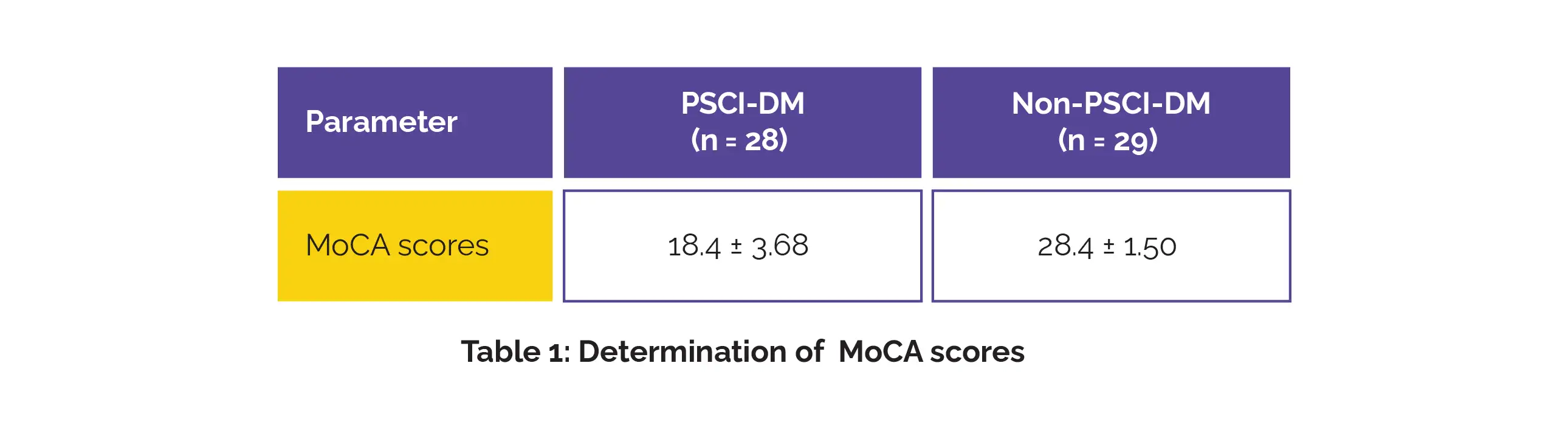
Cognitive decline in diabetic stroke patients was not merely driven by a broad loss of microbial diversity, but rather by targeted dysregulation across a tripartite gut ecosystem (bacteria, fungi, and bioactive metabolites). The concurrent depletion of neuroprotective butyrate producers, specific fungal species, and essential lipid derivatives highlighted critical pathways within the gut-brain axis. These findings offer a basis for investigating targeted probiotic, synbiotic, and metabolite-based strategies to prevent or alleviate PSCI in T2DM sufferers.
Microbiology Spectrum
Integrated gut microbiota and metabolome signatures revealed by deep metagenomic sequencing in post-stroke cognitive impairment with type 2 diabetes
Xiaoye Liu et al.













Comments (0)