

Категории
Сменить пароль!
Сброс пароля!


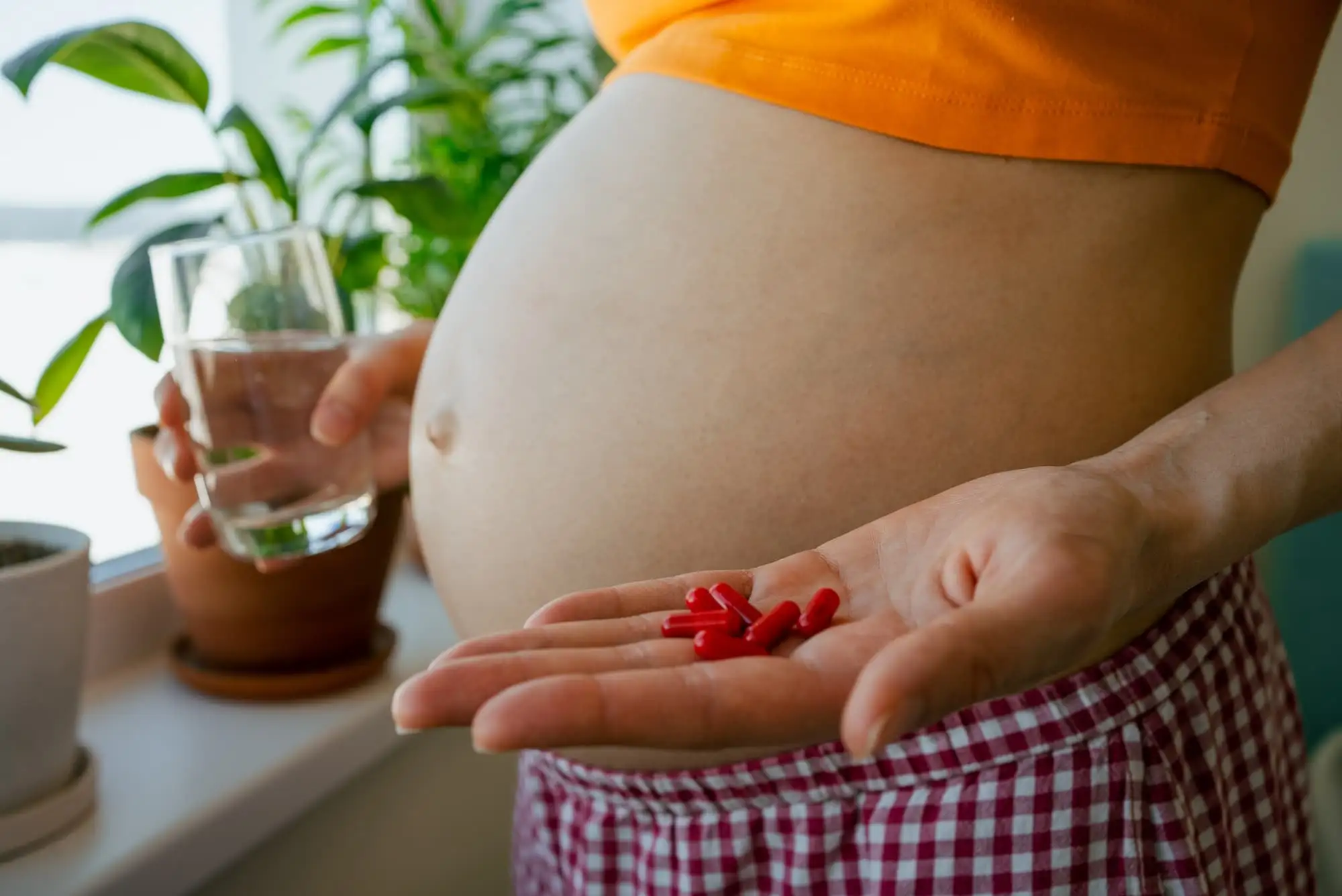
Железодефицитная анемия (ЖДА) остается одним из наиболее распространенных осложнений во время беременности и ассоциируется с утомляемостью, снижением толерантности к физической нагрузке и неблагоприятными исходами для матери и плода.
Простая программа обучения беременных женщин по вопросам железодефицитной анемии значительно повышает осведомленность пациенток в амбулаторной акушерско-гинекологической практике.
Железодефицитная анемия (ЖДА) остается одним из наиболее распространенных осложнений во время беременности и ассоциируется с утомляемостью, снижением толерантности к физической нагрузке и неблагоприятными исходами для матери и плода. В амбулаторных акушерско-гинекологических клиниках обучение пациенток часто ограничено нехваткой времени, напряженным графиком работы клиник и зависимостью от устных консультаций. В рамках этого проекта, основанного на доказательной практике, оценивалось, может ли внедрение стандартизированного пакета обучающих материалов по ЖДА улучшить уровень знаний беременных женщин, получающих дородовую помощь, по их собственным отзывам.
Проект был проведен в частной амбулаторной клинике акушерства и гинекологии в Калифорнии. Подходящими участницами были англоговорящие беременные женщины в возрасте 18 лет и старше, которые дали согласие на участие в обучении и заполнение опросников до и после вмешательства.
Во время планового дородового приема участницы получали стандартизированный информационный материал, охватывающий факторы риска ЖДА, симптомы, пищевые продукты, богатые железом, правильное использование препаратов железа и ситуации, требующие обращения к врачу. Знания пациенток оценивались до и после вмешательства с помощью анонимизированных опросников с использованием шкалы Лайкерта. Ответы анализировались с помощью описательной статистики.
В проекте приняли участие 17 пациенток в дородовом периоде. После внедрения обучающего пакета средний общий балл знаний повысился на 4,2 балла, что указывает на значительное улучшение понимания проблемы пациентками. В целом, 88,2% участниц показали более высокие общие баллы знаний после получения материала. Наибольшие улучшения были отмечены в понимании основных положений ЖДА, распознавании симптомов анемии и правильном использовании препаратов железа.
Кроме того, 94,1% участниц сообщили, что стандартизированный материал был более полезным, чем только устное обучение, в то время как 100% нашли этот материал легким для чтения, что подтверждает его приемлемость и практичность в рутинном дородовом наблюдении.
Внедрение краткого, стандартизированного информационного материала по ЖДА во время дородового приема было осуществимо и успешно улучшило знания пациенток о ЖДА. Результаты показали, что включение структурированных письменных материалов в плановые дородовые визиты может улучшить обучение по анемии и дополнить устное консультирование в загруженных амбулаторных клиниках акушерства и гинекологии.
Doctor of Nursing Practice Final Manuscripts
Implementation of an Iron Deficiency Anemia Education Bundle to Improve Knowledge Among Pregnant Patients in an Outpatient OB/GYN Clinic
Charlene A. Calma и соавт.








Комментарии (0)