

Categories
Change Password!
Reset Password!



Allergic rhinitis (AR) is a common inflammatory upper-airway disorder marked by symptoms such as nasal congestion, rhinorrhoea, sneezing, and itching, often accompanied by non-nasal manifestations.
In allergic rhinitis, mometasone furoate–azelastine nasal spray remarkably improves nasal and non-nasal symptoms with good tolerability.
Allergic rhinitis (AR) is a common inflammatory upper-airway disorder marked by symptoms such as nasal congestion, rhinorrhoea, sneezing, and itching, often accompanied by non-nasal manifestations. Treatment selection is particularly important in patients with moderate-to-severe disease, where inadequate symptom control can substantially affect daily functioning and quality of life.
This multicentric, retrospective real-world study analyzed medical records from 424 ear, nose, and throat (ENT) clinics across India. Records of 4,500 AR sufferers were screened. Relevant information, including patients' medical history, presenting symptoms, clinical outcomes, and adverse events (AEs), was extracted from the records. Treatment effectiveness was assessed by measuring alterations from baseline in:
Treatment with the MF–AZ nasal spray was linked with remarkable improvements in both nasal and non-nasal symptoms (Table 1).
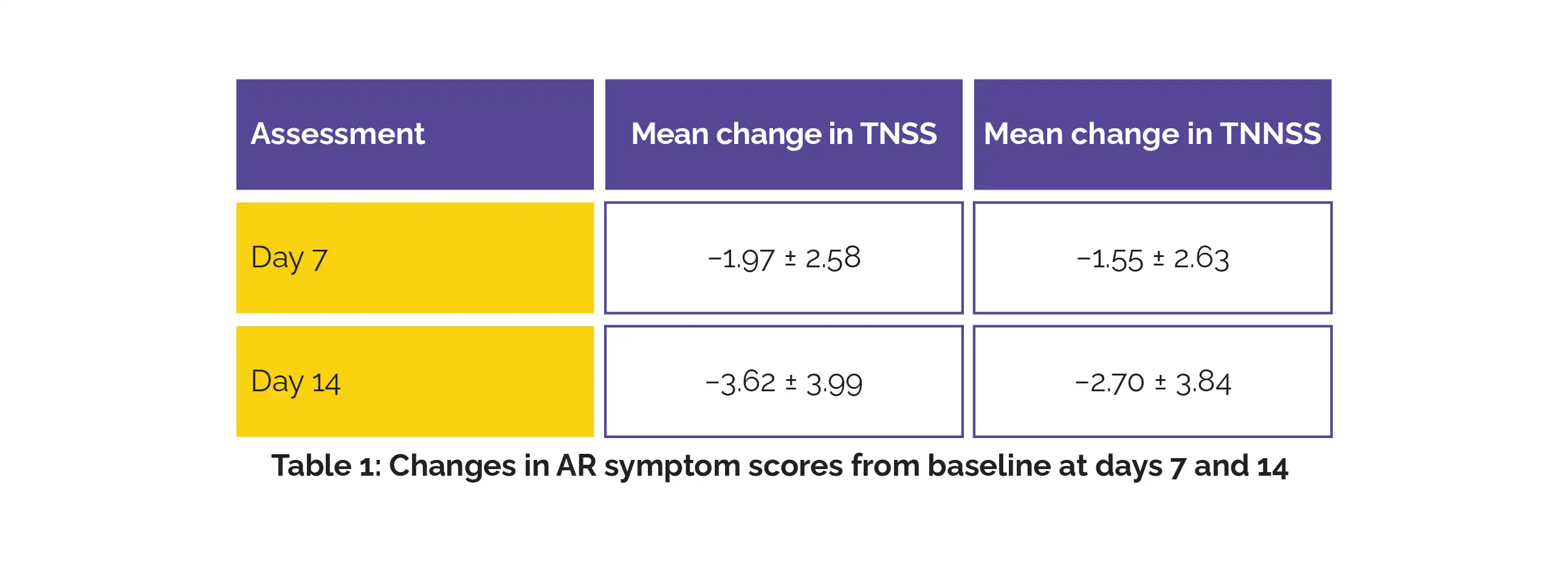
The reductions in both symptom scores were statistically significant at the evaluated time points, indicating progressive symptom improvement during treatment. The combination was also linked with a favorable safety profile. Hospitalization and serious AEs were not reported during the study, and no treatment discontinuations were attributed to AEs.
The combination of intranasal MF–AZ spray provided rapid, statistically significant relief of both nasal and non-nasal symptoms in AR patients while maintaining a robust safety and tolerability profile in real-world clinical practice.
Frontiers in Allergy
A retrospective study on the effectiveness and safety of the combination of intranasal corticosteroid and intranasal antihistamine in the management of patients with allergic rhinitis
Anil Kumar Monga et al.















Comments (0)