

Категории
Сменить пароль!
Сброс пароля!


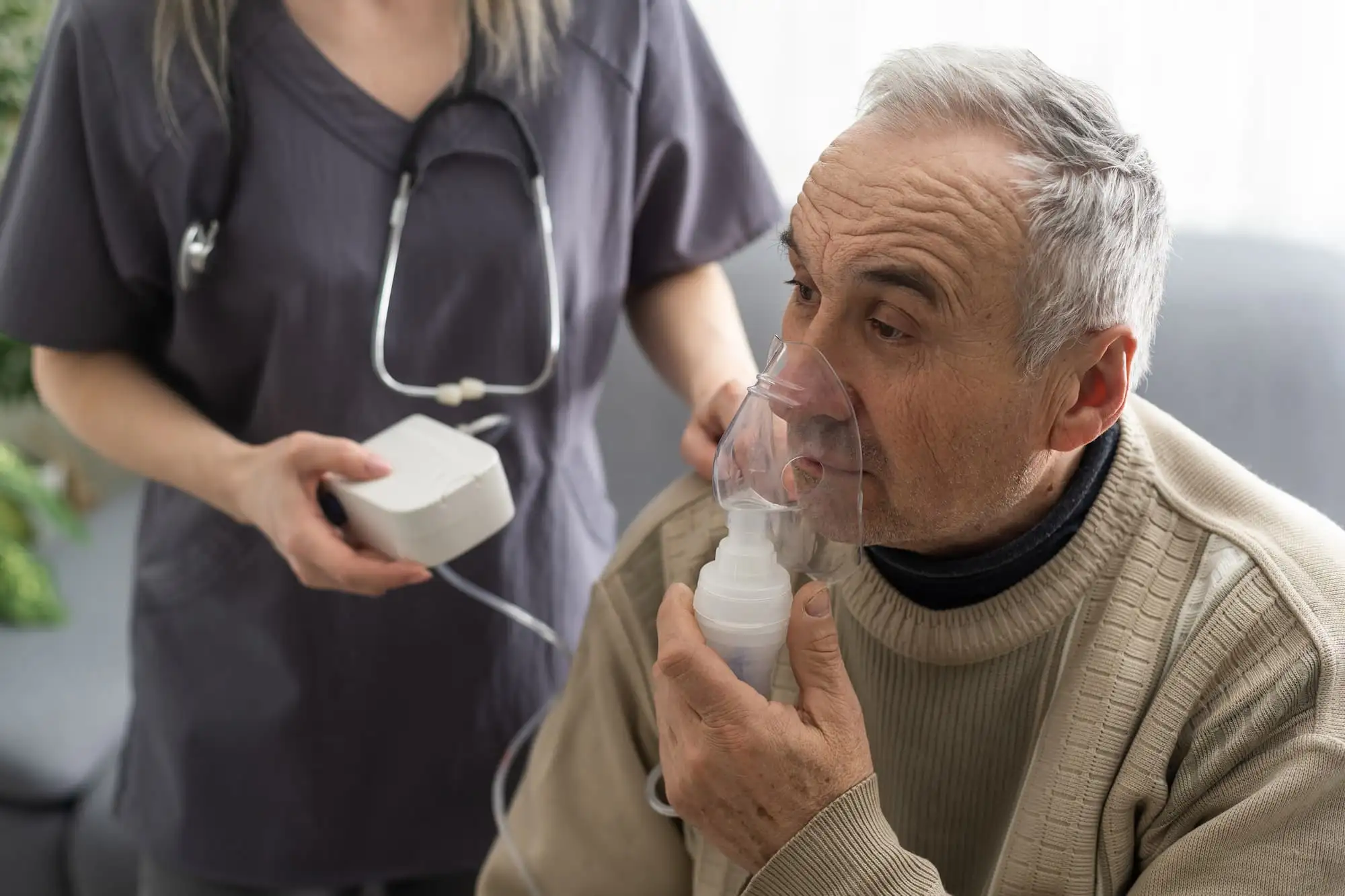
Хроническая обструктивная болезнь легких (ХОБЛ) признана системным воспалительным заболеванием, часто сопровождающимся сахарным диабетом (СД) и сердечно-сосудистыми заболеваниями, что существенно повышает вероятность больших неблагоприятных сердечно-сосудистых событий (БССС).
Применение ингибиторов дипептидилпептидазы-4 связано с более низким риском больших неблагоприятных сердечно-сосудистых событий у лиц с хронической обструктивной болезнью легких и сопутствующим сахарным диабетом.
Хроническая обструктивная болезнь легких (ХОБЛ) признана системным воспалительным заболеванием, часто сопровождающимся сахарным диабетом (СД) и сердечно-сосудистыми заболеваниями, что существенно повышает вероятность больших неблагоприятных сердечно-сосудистых событий (БССС).
Сообщается, что ингибиторы дипептидилпептидазы-4 (ДПП-4), обычно назначаемые при СД 2 типа, обладают противовоспалительными и потенциальными кардиопротективными свойствами, выходящими за рамки снижения уровня глюкозы. Это общенациональное ретроспективное когортное исследование изучало связь между применением ингибиторов ДПП-4 и риском БССС при ХОБЛ и сопутствующем СД.
Исследователи проанализировали данные из Национальной базы данных медицинского страхования Тайваня, собранные в период с 2016 по 2021 год. Были включены пациенты в возрасте ≥40 лет, имевшие как минимум одну госпитализацию по поводу ХОБЛ и диагноз СД. Пациенты, принимавшие ингибиторы ДПП-4, были выявлены на основании записей о назначениях по анатомо-терапевтическо-химической (АТХ) классификации A10BH*; пациенты, не получавшие ингибиторы ДПП-4, принимали другие сахароснижающие препараты.
Ключевым исходом были большие неблагоприятные сердечно-сосудистые события (БССС), определяемые как комбинация инсульта, сердечно-сосудистой смерти и инфаркта миокарда. Для оценки скорректированных отношений рисков (HR) с 95% доверительными интервалами применялись модели пропорциональных рисков Кокса с поправкой на демографические показатели, наличие сопутствующей патологии и общую тяжесть коморбидного фона.
Исследование охватило 24 215 пациентов с ХОБЛ и СД, включая 5 737 (23,7%) человек, которые получали ингибиторы ДПП-4 и 18 478 (76,3%), которые их не получали. В течение наблюдения у пациентов, получавших ингибиторы ДПП-4, отмечалась значительно более низкая частота БССС по сравнению с пациентами, которые не получали ингибиторы ДПП-4 (таблица 1).
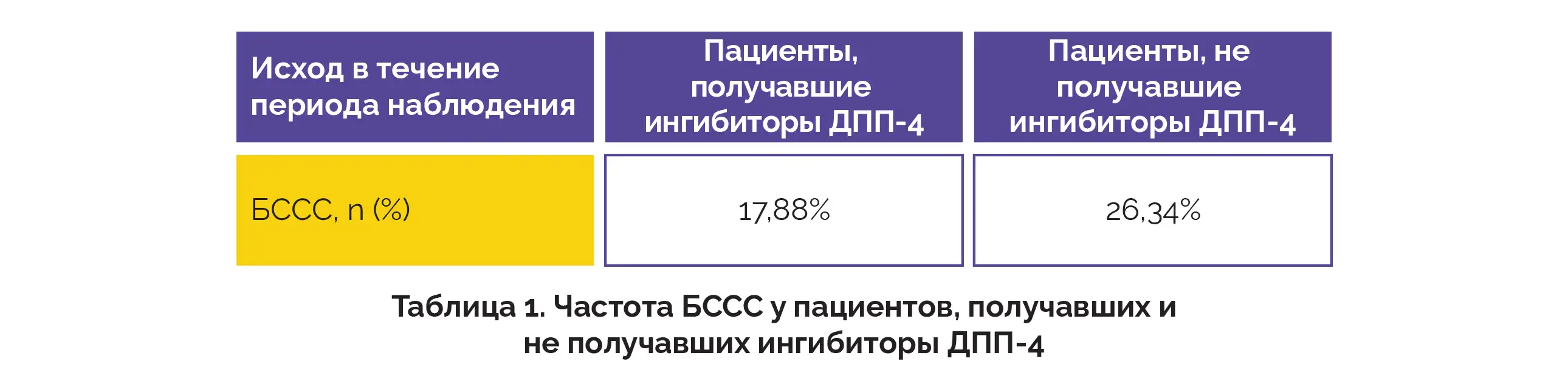
У пациентов, не принимавших ингибиторы ДПП-4, риск БССС был выше по сравнению с теми, кто их получал (скорректированное HR составило 1,56). Связь оставалась устойчивой как у мужчин, так и у женщин, в разных возрастных группах и у пациентов с инфарктом миокарда, инсультом или артериальной гипертензией в анамнезе.
Применение ингибиторов ДПП-4 ассоциировалось со снижением риска БССС при ХОБЛ и сахарном диабете, что указывает на пользу для сердечно-сосудистой системы, выходящую за рамки контроля уровня глюкозы в крови. Однако для установления причинно-следственной связи необходимы дальнейшие рандомизированные контролируемые исследования.
International Journal of Chronic Obstructive Pulmonary Disease
Dipeptidyl Peptidase-4 Inhibitor Use and Risk of Major Adverse Cardiovascular Events in Patients with COPD and Diabetes: A Nationwide Retrospective Cohort Study
Chung-Han Ho и соавт.













Комментарии (0)