Pediatric vs. adult CSU: Type 2 inflammation, severity, and outcomes :- Medznat
EN | RU
EN | RU

Help Support

By clicking the "Submit" button, you accept the terms of the User Agreement, including those related to the processing of your personal data. More about data processing in the Policy.
Back

Pediatric vs. adult chronic spontaneous urticaria: Real-world insights

Chronic spontaneous urticaria in pediatrics and adults Chronic spontaneous urticaria in pediatrics and adults

What's new?

Adult and pediatric chronic spontaneous urticaria presents with a high burden of co-occurring type 2 inflammatory diseases alongside a significant non-response rate to standard omalizumab therapy.

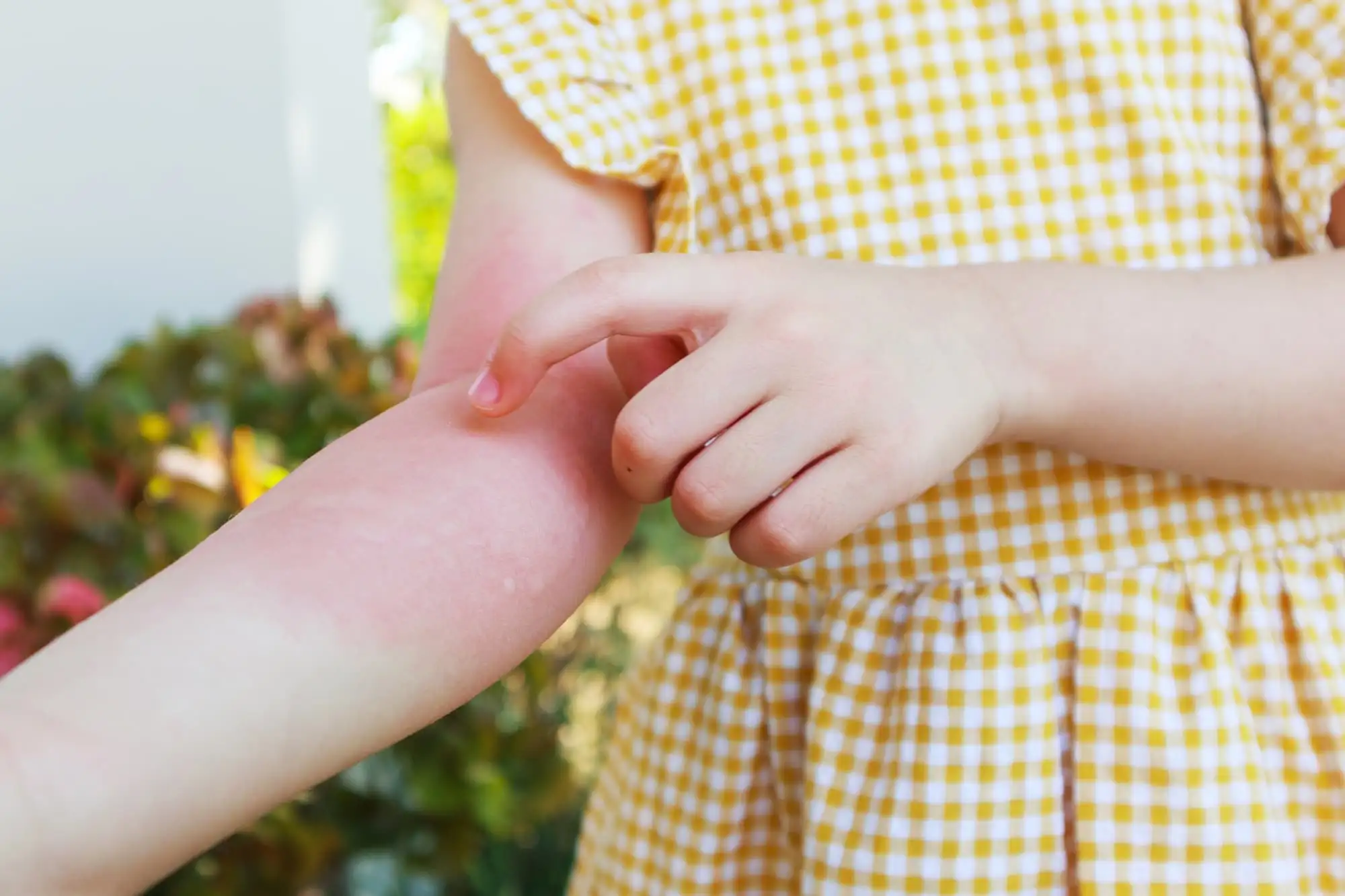
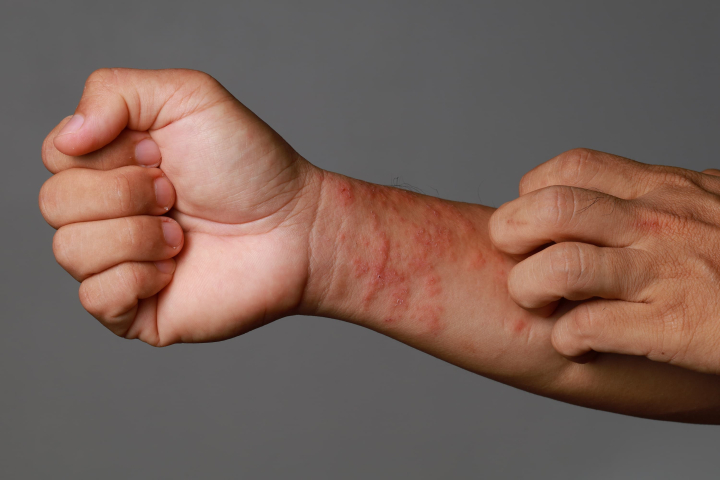
Chronic spontaneous urticaria (CSU) remains a debilitating dermatological ailment marked by unpredictable wheals and pruritus. A 10-year multicenter retrospective cohort study across four U.S. allergy practices (two pediatric- and two adult-focused) evaluated the clinical profiles, comorbid type 2 inflammatory conditions, and therapeutic outcomes of 400 patients (189 pediatric, 211 adult) followed for at least six months between 2013 and 2023.

Key Study Findings

  • Disease Severity Spectrum: Overall, 48% of patients suffered from severe CSU, 28% presented with moderate disease, and 24% had mild symptoms. Disease burden was markedly higher in adults, with 65% experiencing severe disease compared to 32% of pediatric patients.
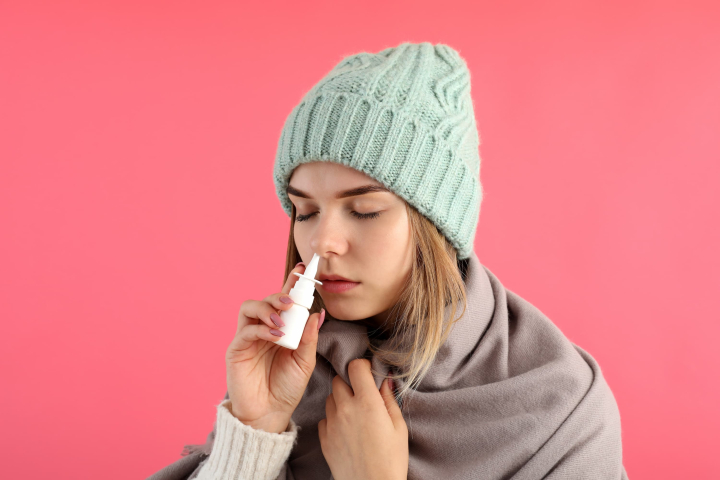
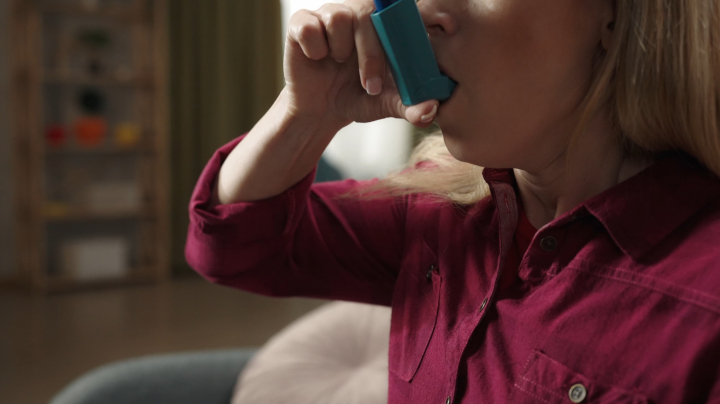
  • Prevalence of Type 2 Comorbidities: Atopic comorbidities were widespread: 72% of patients had allergic rhinitis, 38% suffered from co-existing asthma, and 17% were diagnosed with atopic dermatitis.
  • Multiple Atopic Conditions: 43% of patients had two or more co-existing type 2 inflammatory comorbidities.
  • Treatment Outcomes & Therapeutic Patterns:
  1. First-Line Therapy: H1-antihistamines were the most frequently prescribed systemic treatments, with cetirizine serving as the predominant agent.
  2. Biologic Response: While omalizumab proved potent for most individuals, approximately 31% of patients experienced either partial response or complete non-response.
  3. Immunomodulators & Steroids: Systemic corticosteroids and cyclosporine were utilized sparingly across clinical settings.
  • Documentation Gaps: Sparse recording of objective physical findings and laboratory metrics in routine medical records posed limits for further phenotypic analysis.

This study highlights that both pediatric and adult CSU carry a substantial burden of co-occurring atopic disease and refractory symptoms. The findings underscore a pressing need for standardized clinical documentation and prospective research to delineate CSU endotypes and optimize targeted, individualized therapeutic regimens. 

Source:

Allergy and Asthma Proceedings

Article:

Clinical characteristics, type 2 comorbidities, and treatment responses in pediatric and adult chronic spontaneous urticaria: A multicenter retrospective cohort study

Authors:

Kathryn Smiley et al.

Comments (0)

You want to delete this comment? Please mention comment Invalid Text Content Text Content cannot me more than 1000 Something Went Wrong Cancel Confirm Confirm Delete Hide Replies View Replies View Replies en
Try: