

Категории
Сменить пароль!
Сброс пароля!


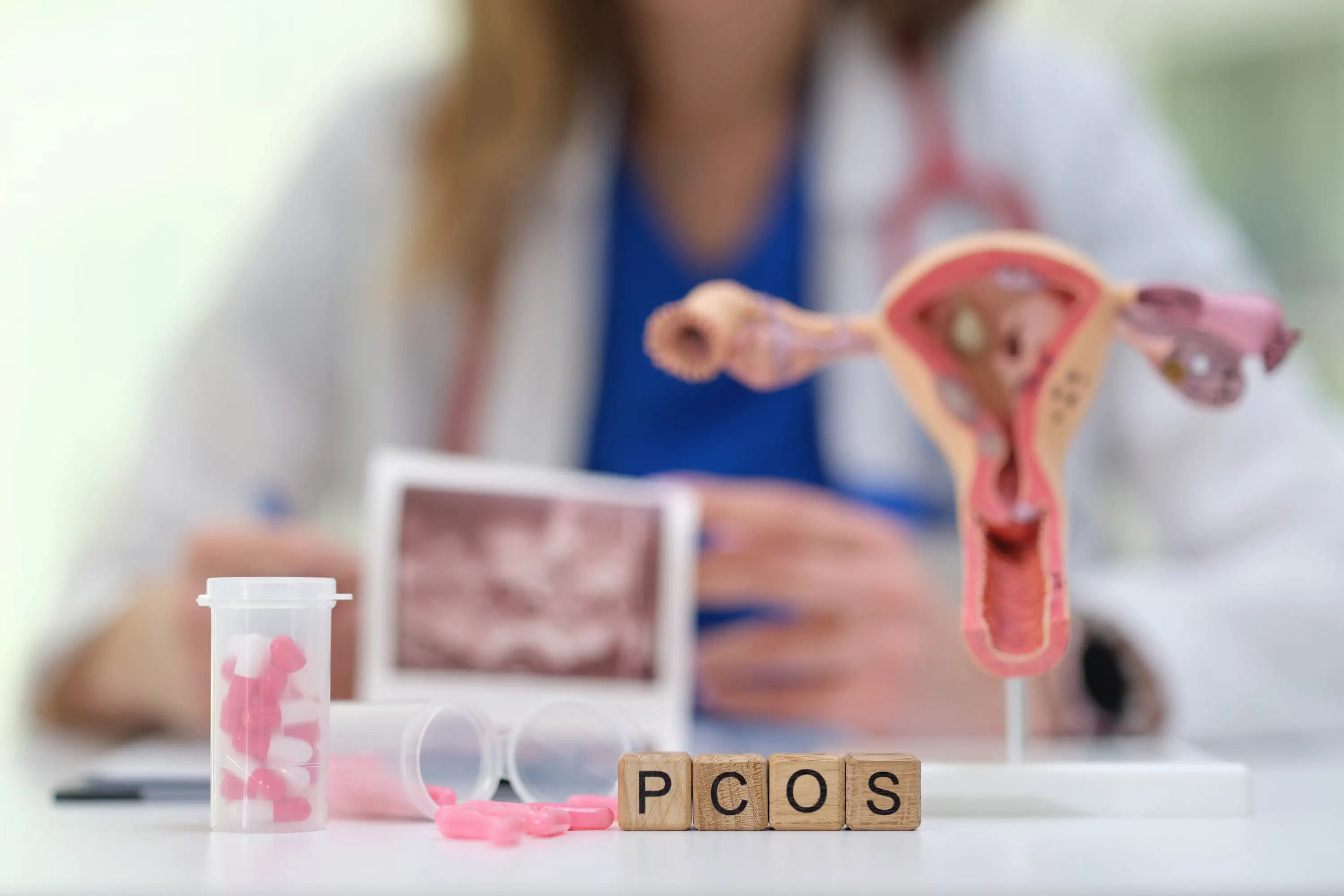
Мио-инозитол укрепляет свои позиции в лечении СПКЯ, демонстрируя более широкие репродуктивные и метаболические преимущества по сравнению с традиционными инсулиносенситайзерами.
Синдром поликистозных яичников (СПКЯ) представляет собой сложное взаимодействие между метаболической дисфункцией и репродуктивной эндокринологией, что делает выбор лечения все более зависимым от исходов, выходящих за рамки только контроля симптомов. Хотя новые методы коррекции инсулинорезистентности привлекают все большее внимание клиницистов, до сих пор остаются вопросы о том, насколько эффективно они способны улучшать репродуктивный потенциал, гормональный баланс и долгосрочное метаболическое здоровье. Для решения этой терапевтической дилеммы исследователи провели проспективное сравнение двух широко назначаемых методов лечения нарушений обмена веществ у женщин, соответствующих диагностическим критериям СПКЯ.
Авторы провели проспективное наблюдательное сравнительное исследование и включили 200 женщин с диагнозом СПКЯ (в соответствии с Роттердамскими диагностическими критериями). Участницам исследования назначалась терапия метформином или мио-инозитолом, в проспективном порядке проводилась оценка динамики частоты овуляций, менструального цикла, инсулинорезистентности, андрогенного статуса, метаболических показателей и репродуктивных результатов. Клиническая эффективность и переносимость лечения также сравнивались между двумя терапевтическими стратегиями.
Как метформин, так и мио-инозитол улучшали чувствительность к инсулину, снижали уровень тестостерона в сыворотке, способствовали более регулярным менструальным циклам, увеличивали частоту овуляций и улучшали качество ооцитов. Однако женщины, получавшие лечение мио-инозитолом, в целом получили более значительные преимущества. По сравнению с метформином, мио-инозитол ассоциировался с:
В совокупности результаты показали, что, хотя оба вмешательства затрагивают ключевые патофизиологические особенности СПКЯ, клинически значимые различия в эффективности и переносимости могут влиять на индивидуализированный выбор лечения в обычной клинической практике.
International Journal of Pharmacy Research & Technology
A Prospective Observational Comparative Study of Metformin versus Myoinositol in Pcos
Dr. Ankita Khobragade и соавт.

















Комментарии (0)