

Категории
Сменить пароль!
Сброс пароля!



Нарушение баланса вагинального микробиома на ранних сроках беременности рассматривается как потенциальный биомаркер кровотечения в первом триместре и риска выкидыша, в то время как преобладание лактобактерий, по-видимому, способствует стабильности беременности.
Кровотечение в первом триместре остается одним из самых ранних предупреждающих признаков нестабильности беременности, однако биологические механизмы, лежащие в основе этого осложнения, не полностью изучены. По мере роста интереса к роли микробных экосистем матери в репродуктивном здоровье всё большее внимание уделяется вагинальному микробиому как потенциальному фактору, определяющему успешное течение ранних сроков беременности. Для уточнения данной формирующейся взаимосвязи исследователи провели обобщение имеющихся данных, оценивающих наличие связи между конкретными микробными профилями и эпизодами кровотечений, самопроизвольными выкидышами и другими неблагоприятными исходами со стороны организма матери в первом триместре беременности.
Исследователи провели систематический обзор и метаанализ в соответствии с рекомендациями PRISMA (Предпочтительными параметрами отчётности для систематических обзоров и метаанализа) 2020 года. Был проведен поиск в ключевых базах данных, включая Google Scholar, Web of Science, PubMed, Scopus и Embase, для выявления исследований, изучающих микробиоту влагалища или шейки матки на ранних сроках беременности (≤14 недель). В обзор включались исследования, в которых оценивался микробный состав влагалища у беременных женщин и сообщалось о связи с кровотечениями в первом триместре или неблагоприятными исходами беременности.
В рамках метаанализа были обобщены данные 33 исследований с участием 12 487 беременных женщин, что позволило выявить устойчивую взаимосвязь между вагинальным микробным составом и исходами беременности на ранних сроках.
У женщин с признаками вагинального дисбиоза, как правило, наблюдалась более высокая вероятность кровотечения в первом триместре и потери беременности, хотя в разных исследованиях отмечались существенные различия. Наиболее выраженные ассоциации были установлены для видов Ureaplasma и микроорганизмов, связанных с бактериальным вагинозом, в то время как вагинальный микробиом с преобладанием лактобактерий ассоциировался с защитным эффектом (таблица 1).
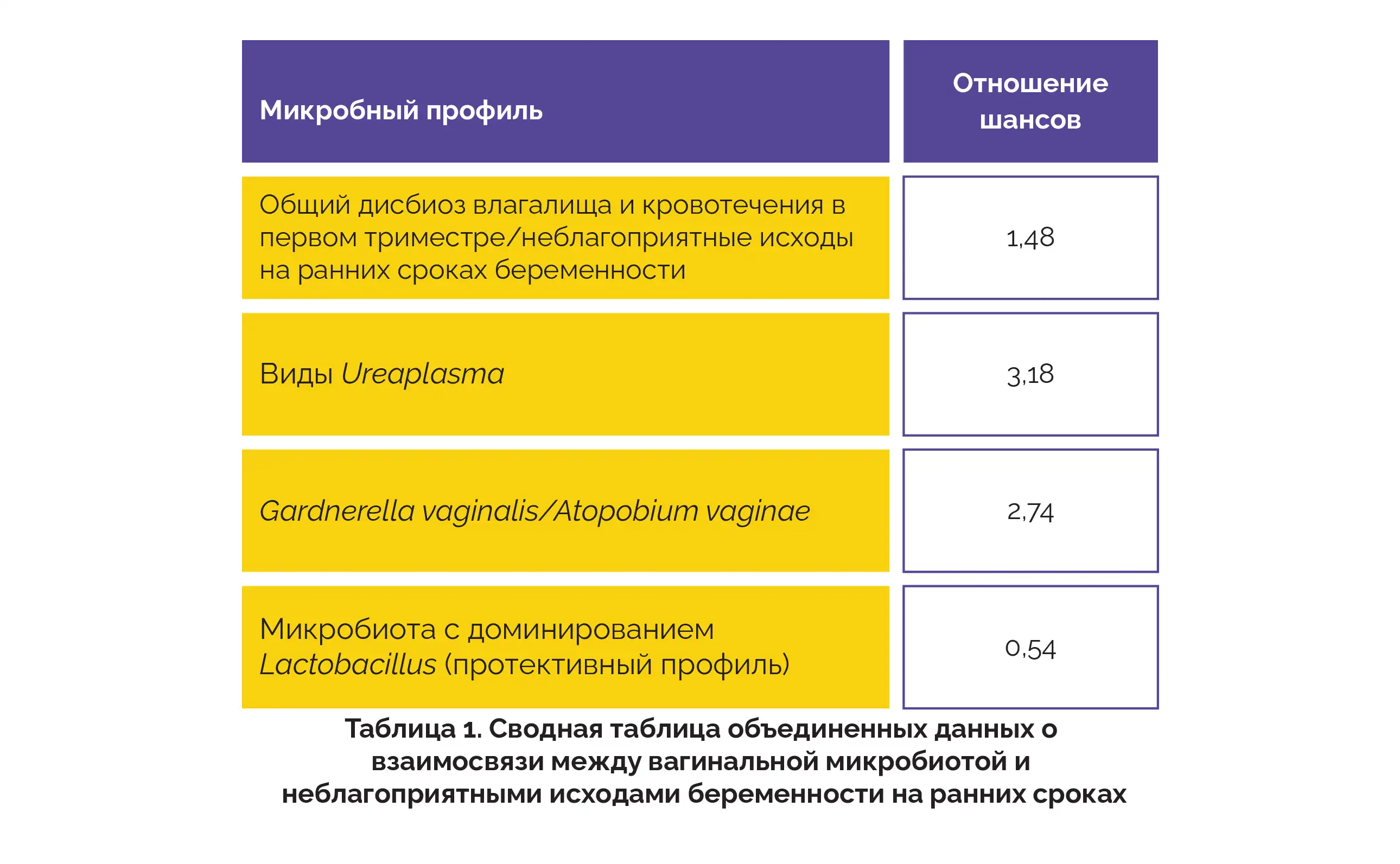
Анализ подгрупп дополнительно показал, что эти ассоциации были более выражены в азиатских и африканских популяциях. Несмотря на значительную неоднородность исследований, существенных признаков систематической ошибки публикаций обнаружено не было. Результаты исследования позволяют рассматривать вагинальный микробиом не как пассивный элемент на ранних сроках беременности, а в качестве активного участника, способного определять траекторию течения беременности начиная с первых недель.
По мере того, как наука о микробиоме все больше приближается к клиническому применению, раннее микробное профилирование может стать ценным компонентом персонализированной оценки акушерских рисков и профилактической пренатальной помощи.
African Journal of Reproduction and Gynaecological Endoscopy
Vaginal Microbiome Dysbiosis and First-Trimester Bleeding: A Systematic Review and Meta-Analysis of Maternal Outcomes
Elaveyini Uthaman и соавт.












Комментарии (0)