

Категории
Сменить пароль!
Сброс пароля!


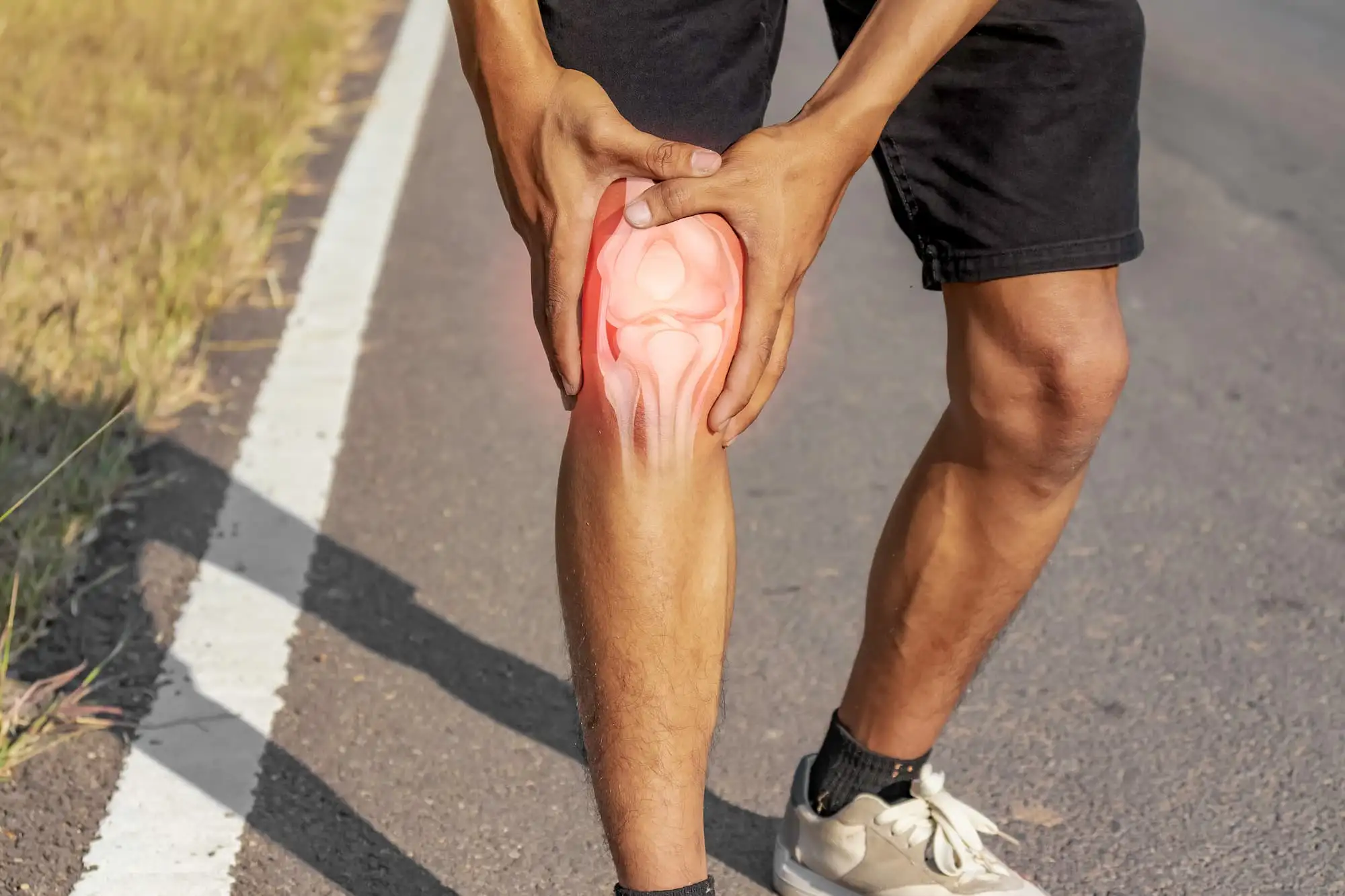
Система оценки результатов лечения, сообщаемых пациентами с использованием SMS-сообщений, становится практичным и масштабируемым инструментом в федерально квалифицированных медицинских центрах, усиливая отслеживание симптомов остеоартрита коленного сустава в режиме реального времени и подчеркивая необходимость улучшения образовательных программ для пациентов.
Новое исследование, проведенное в США, показывает, как цифровые инструменты здравоохранения, в частности опросы пациентов о результатах лечения (PRO), проводимые посредством SMS, могут изменить подход к лечению остеоартрита (ОА) коленного сустава для малообеспеченных слоев населения.
ОА коленного сустава остается широко распространенным хроническим заболеванием в Соединенных Штатах, существенно ухудшающим качество жизни, снижающим функциональную подвижность и увеличивающим расходы на здравоохранение. Стойкое неравенство в показателях здоровья среди расовых, этнических и социально-экономических групп подчеркивает ключевую роль медицинских центров, имеющих федеральную квалификацию (FQHC), в поддержке недостаточно охваченных услугами сообществ. Поскольку цифровые инструменты здравоохранения все чаще интегрируются в первичную медицинскую помощь, мобильные приложения для оценки результатов лечения, сообщаемых пациентами (PRO), предлагают перспективный путь для мониторинга хронических симптомов в условиях ограниченных ресурсов.
В этих условиях целью исследования было оценить, насколько целесообразно использовать систему сбора данных о симптомах ОА коленного сустава с помощью текстовых сообщений, вовлекать пациентов первичного звена здравоохранения и выявлять барьеры для участия в цифровых технологиях медицинских центров FQHC. Исследовательская группа обследовала 223 пациента первичного звена сети центров здравоохранения FQHC с диагностированным ОА коленного сустава. Участникам было отправлено текстовое сообщение с приглашением заполнить стандартизированную анкету, оценивающую боль в коленном суставе, его функцию и выраженность симптомов. Пациентам, которые первоначально не ответили, были направлены напоминания посредством текстовых сообщений и телефонных звонков, чтобы побудить их к участию.
Авторы также изучили общие и языково-специфичные показатели ответа, выявили причины незавершения опроса и проанализировали отзывы пациентов об удобстве использования, степени доверия и ожиданиях в отношении долгосрочного цифрового мониторинга симптомов. Для более широкого понимания отношения к использованию текстовых напоминаний о заполнении опросников PRO, были учтены качественные данные как от респондентов, так и от тех, кто не ответил на опрос. В пилотном исследовании общий уровень отклика составил 24,7%, при этом наблюдались заметные различия между языковыми группами:
Наиболее частым препятствием для заполнения опроса оказались неактивные или отключенные телефонные номера. Отзывы участников показали высокий уровень энтузиазма в отношении продолжения мониторинга симптомов: 92% выразили поддержку регулярному отслеживанию симптомов ОА коленного сустава. Респонденты отметили, что цифровой опросник прост в использовании, в то время как не ответившие на опрос указали на проблемы, связанные с технической надежностью, удобством использования цифровых инструментов и доверием к процессу коммуникации.
Таким образом, сбор данных о результатах лечения, сообщаемых пациентами (PRO), на основе текстовых сообщений оказался масштабируемым, приемлемым и эффективным инструментом для мониторинга хронического ОА коленного сустава, особенно в условиях медицинских центров FQHC. Предложенный подход продемонстрировал большой потенциал для масштабируемого использования в учреждениях по уходу за хроническими больными, при условии, что пациенты получат четкое объяснение цели и ценности отчетности по результатам опросов пациентов. Результаты исследования также показали, что улучшенная коммуникация, надежные каналы связи и стратегии взаимодействия, учитывающие культурные особенности, имеют решающее значение для максимального участия и улучшения управления симптомами в условиях ограниченных ресурсов первичной медико-санитарной помощи.
Arthroplasty Today
Primary Care Patient Engagement With Patient-Reported Outcomes to Assess Osteoarthritis Symptoms
Martha Burla и соавт.














Комментарии (0)