

Категории
Сменить пароль!
Сброс пароля!



Кохлеарная имплантация у детей характеризуется исключительно низким уровнем осложнений — всего 4,3%, при этом наиболее частым, но полностью устранимым нежелательным явлением является техническая неисправность устройства, что подтверждает безопасность этого метода как первоочередной меры восстановления слуха у детей.
Кохлеарная имплантация является одним из самых преобразующих хирургических вмешательств в педиатрической аудиологии, предлагая детям с тяжелой и глубокой сенсоневральной тугоухостью реальный путь к развитию устной речи и социальной интеграции. Поскольку частота имплантации растет во всем мире, а критерии отбора продолжают расширяться в сторону более молодых и более сложных пациентов, понимание реального профиля безопасности этой процедуры становится все более критичным.
Хотя краткосрочные результаты хирургического лечения хорошо задокументированы в небольших сериях исследований, крупномасштабные данные о долгосрочных осложнениях из центров с большим объемом операций остаются относительно ограниченными, что лишает врачей надежного ориентира для консультирования семей и совершенствования периоперационных протоколов. На этом фоне исследователи поставили задачу всесторонне охарактеризовать частоту, спектр, сроки и клиническое ведение послеоперационных осложнений за десятилетие педиатрических кохлеарных имплантаций в одном высокоспециализированном консультационном центре.
Было проведено ретроспективное когортное исследование с включением всех пациентов в возрасте 18 лет и младше, перенесших первичную кохлеарную имплантацию в одном высокоспециализированном центре. Из 507 первоначально обследованных детей 493 соответствовали критериям включения и составили окончательную когорту исследования, при этом 93,7% из них оставались под наблюдением как минимум в течение 12 месяцев.
Осложнения систематически классифицировались по времени возникновения: ранние (в течение 30 дней после операции) или поздние (более 30 дней), а также дополнительно подразделялись по типу на инфекцию, кожные осложнения, неисправность устройства, травму и неправильное расположение электрода. Для анализа данных использовалась описательная статистика, а стратегии лечения, соответствующие каждому типу осложнений, были всесторонне задокументированы.
За десятилетие и почти 500 имплантаций общая частота осложнений оказалась обнадеживающе низкой. Результаты показали следующее:
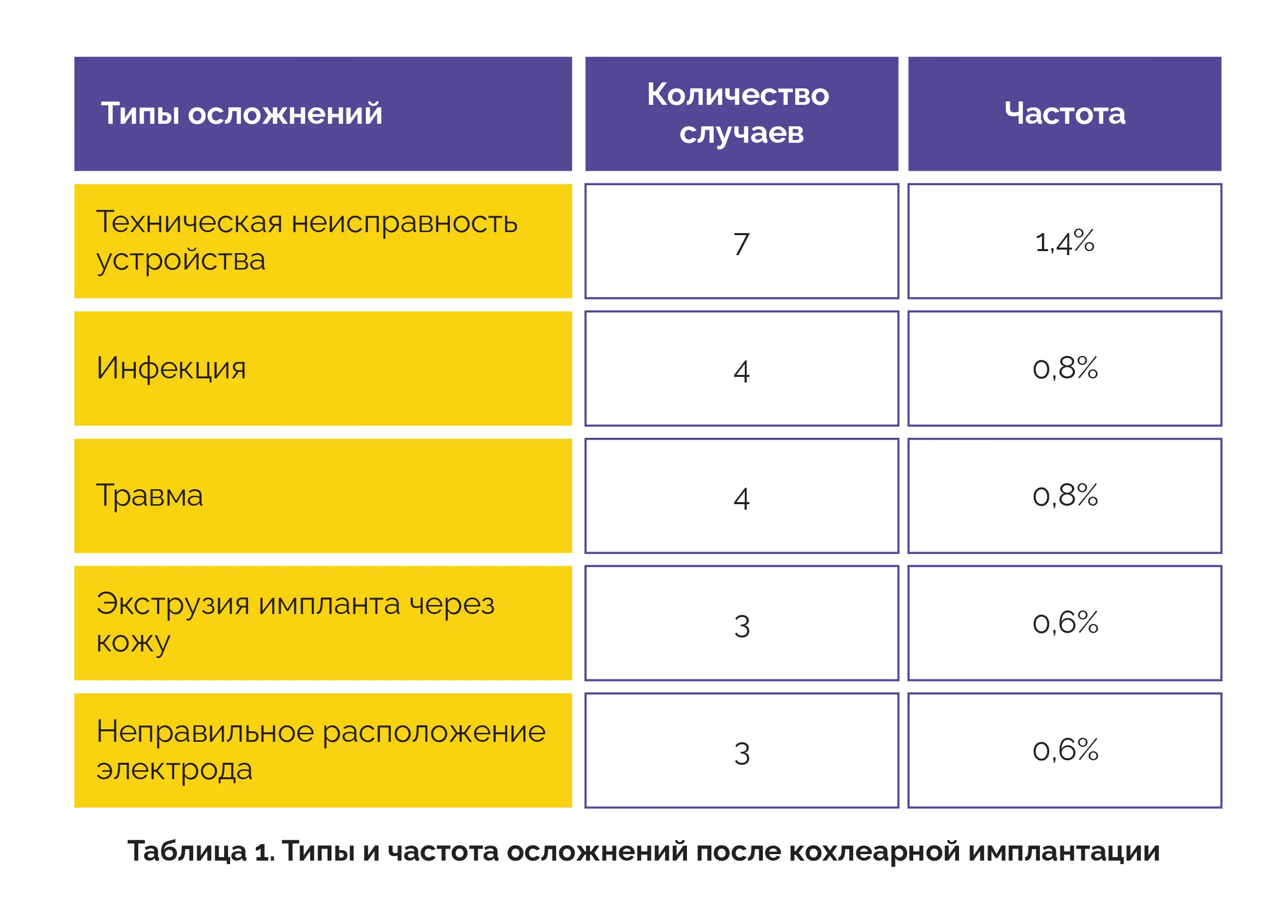
Этот десятилетний опыт одного центра подтвердил, что кохлеарная имплантация у детей имеет исключительно благоприятный профиль безопасности при выполнении в структурированной хирургической среде с большим объемом операций. Хотя осложнения встречаются нечасто, их преимущественно позднее возникновение требует тщательного и длительного послеоперационного наблюдения, а не просто успокоения пациента при выписке.
Indian Journal of Otolaryngology and Head & Neck Surgery
Post-Operative Complications After Pediatric Cochlear Implantation: A 10-Year Single Center Cohort of 493 Children and Management Outcomes
Karim Messaoudi и соавт.








Комментарии (0)