

Categories
Change Password!
Reset Password!


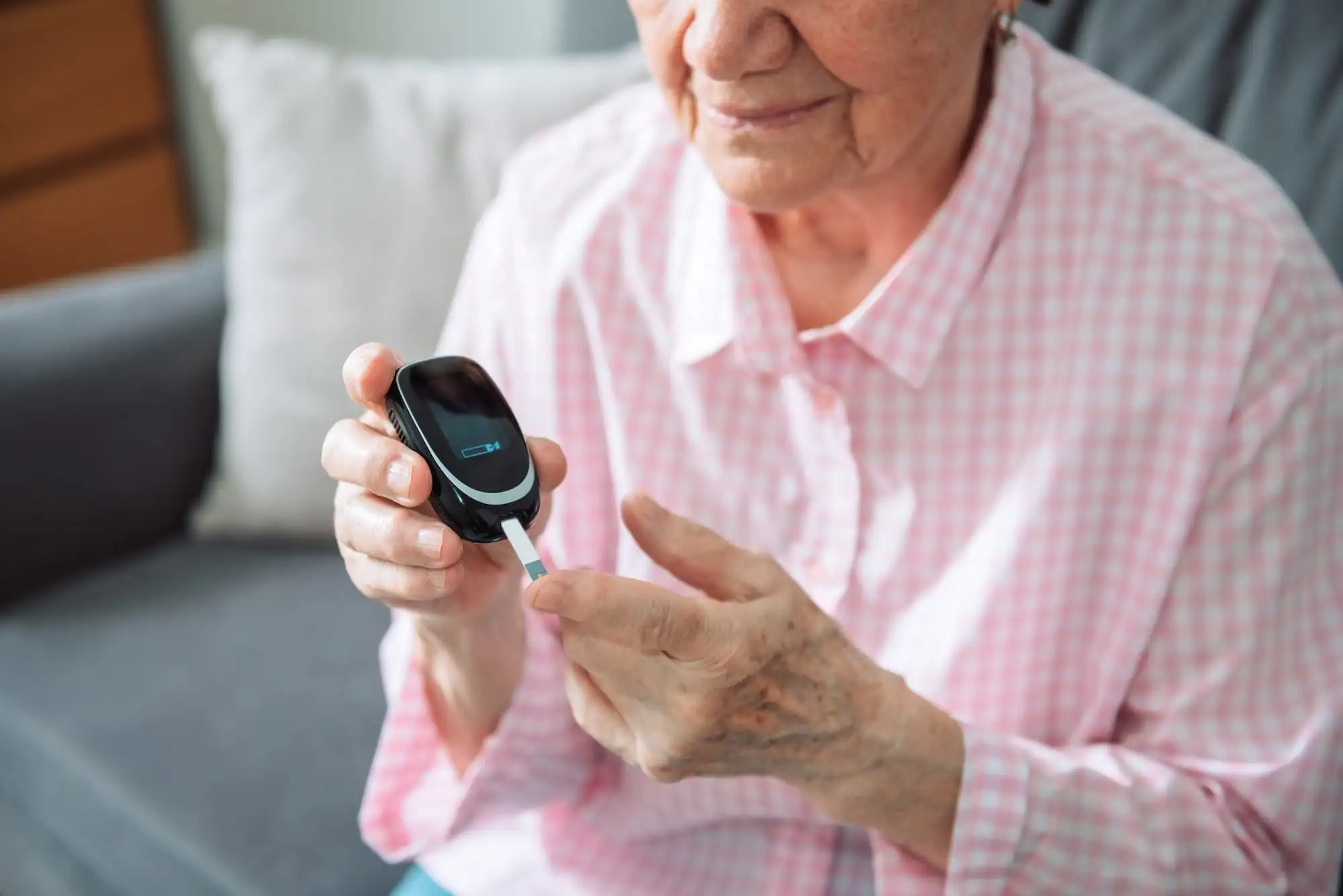
Sodium-glucose cotransporter-2 inhibitors (SGLT2i) are recommended for patients with type 2 diabetes mellitus (T2DM), particularly those with existing or high cardiovascular and renal risk.
SGLT2 inhibitor use increases substantially among adults aged 75 years and older with type 2 diabetes, reaching approximately one in five patients by 2023.
Sodium-glucose cotransporter-2 inhibitors (SGLT2i) are recommended for patients with type 2 diabetes mellitus (T2DM), particularly those with existing or high cardiovascular and renal risk. However, real-world utilization patterns among adults aged 75 years and older have been less well characterized. The study evaluated SGLT2i use, initiation, patient characteristics, concomitant glucose-lowering therapy, and treatment discontinuation among older adults suffering from T2DM.
Researchers executed a drug utilization study using administrative healthcare databases covering volunteers aged ≥75 years with T2DM in British Columbia. SGLT2i prevalence, incidence, characteristics of new users, concomitant therapies, and treatment discontinuation were assessed.
SGLT2i use rose gradually from 2% in 2016 (first half) to 14% in 2022 (second half). This was followed by a sharper rise to 21% in 2023 (second half), with similar prevalence rates among those with and without cardiorenal ailment (20% vs. 22%). SGLT2i initiation increased substantially over the study period, with 14,320 individuals initiating therapy between 2021 and 2023; key utilization and treatment patterns are summarized below in Table 1.
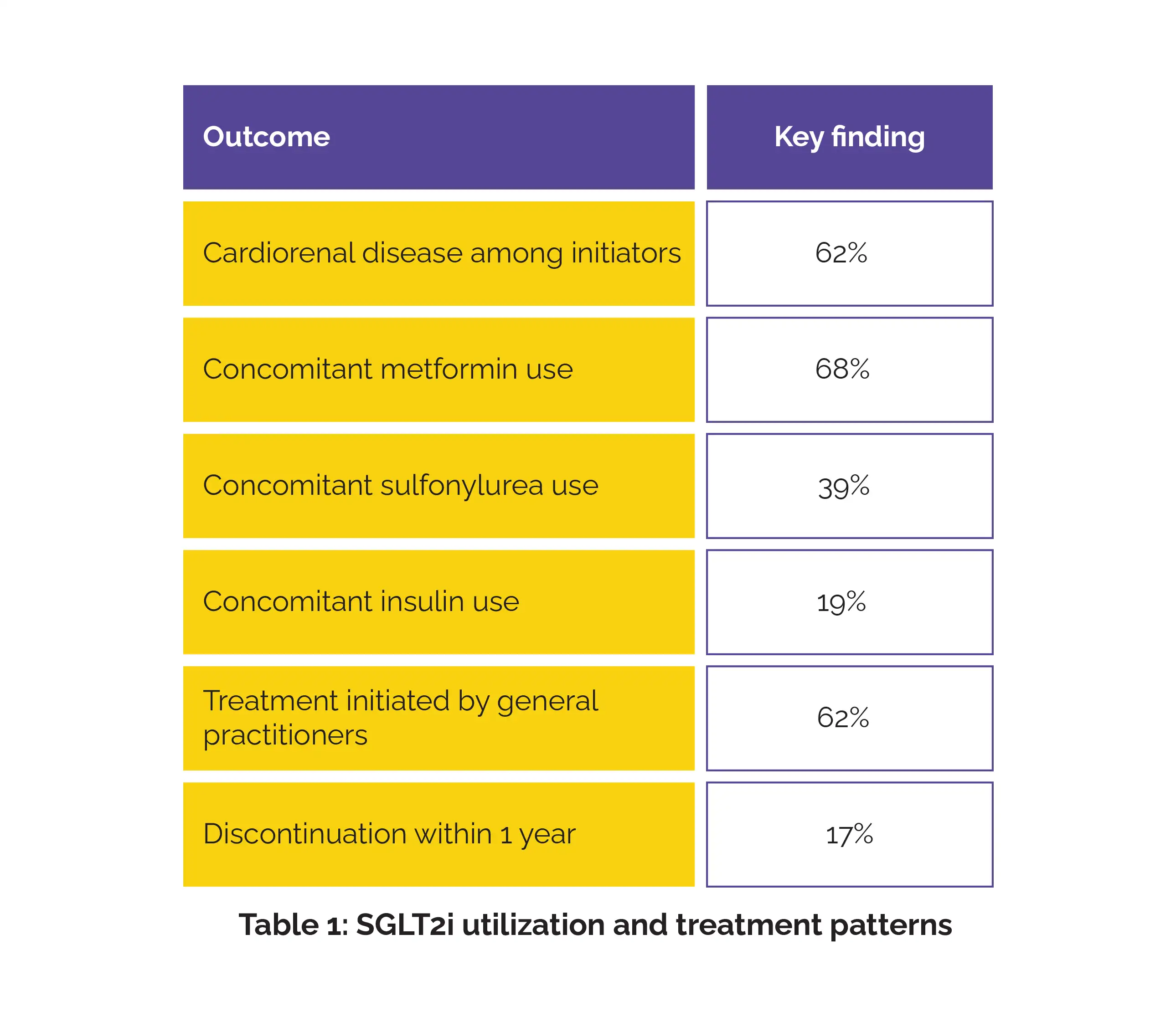
The study demonstrated a substantial expansion of SGLT2i use among older adults with T2DM between 2016 and 2023, with uptake accelerating in 2023 following broader public drug coverage. By year-end, approximately one in five patients had received SGLT2i therapy, regardless of cardiorenal disease status.
Diabetes, Obesity and Metabolism
Use of sodium-glucose cotransporter-2 inhibitors among older adults with type 2 diabetes mellitus in British Columbia
Hanin Harbi et al.













Comments (0)