

Categories
Change Password!
Reset Password!


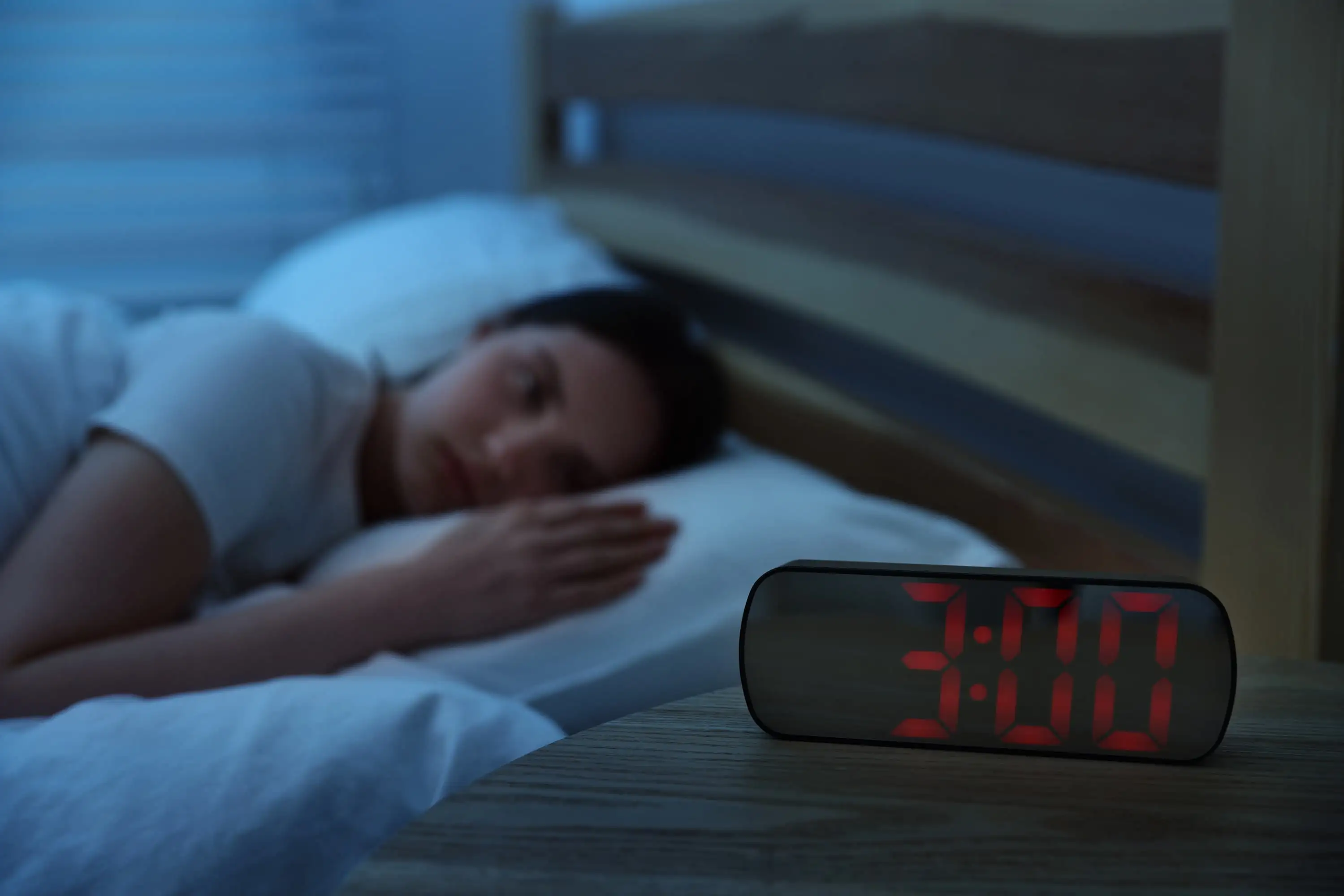
Sleep disturbances represent a critical yet under-addressed public health challenge among young adults, particularly undergraduate students, where they significantly impair academic performance, cognitive concentration, and overall psychological well-being.
Over one-third of university undergraduates experience sleep disorders, with depressive symptoms, perceived stress, and excessive screen time serving as major independent risk factors.
Sleep disturbances represent a critical yet under-addressed public health challenge among young adults, particularly undergraduate students, where they significantly impair academic performance, cognitive concentration, and overall psychological well-being. Despite this rising concern, data detailing the epidemiological burden and specific determinants within Rivers State, Nigeria, remain scarce.
This analytical cross-sectional investigation aimed to evaluate the overall prevalence and associated risk factors of sleep disorders among undergraduates at Rivers State University in Port Harcourt using a robust clinical epidemiological framework.
A cross-sectional analytical study was executed among 424 undergraduate students over a four-month period (February 20, 2025, to June 24, 2025). Volunteers were chosen using a multistage sampling technique. Standardized, validated instruments were administered to collect comprehensive data, including the Pittsburgh Sleep Quality Index (PSQI), the Epworth Sleepiness Scale (ESS), and the Perceived Stress Scale (PSS).
Statistical analyses incorporated descriptive metrics alongside bivariate and multivariable logistic regression models to identify independent predictors. The discriminatory performance of the predictive model was checked via the receiver operating characteristic curve, with model calibration assessed via the Hosmer–Lemeshow test.
The participants had a mean age of 21.3 ± 2.6 years, and 206 (48.6%) were aged 21–25 years. Sleep disorders were identified in 155 volunteers, representing a prevalence of 36.5%.
Three factors were independently linked with poor sleep quality:
The final model illustrated good calibration, with a Hosmer–Lemeshow p-value of 0.62, and excellent discriminatory performance, with an area under the curve of 0.91.
Sleep disorders impact more than 1 in 3 undergraduates and are heavily driven by modifiable mental health and lifestyle parameters. Interventions must prioritize university-based wellness initiatives emphasizing stress mitigation, digital hygiene, and early psychological screening.
World Journal of Advanced Research and Reviews
Prevalence and risk factors of sleep disorders among undergraduates in a Nigerian university: A clinical epidemiological framework
Nduye Briggs et al.














Comments (0)