

Категории
Сменить пароль!
Сброс пароля!


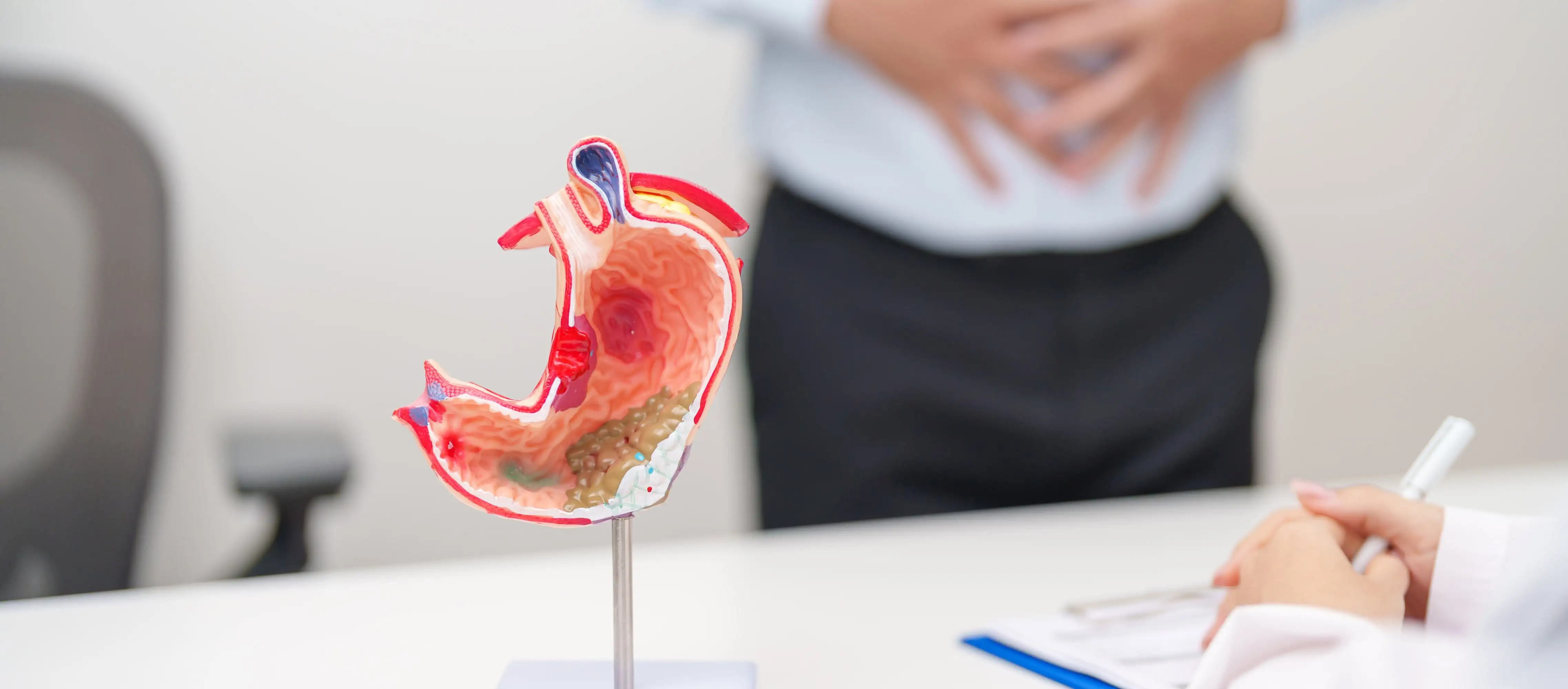
Ингибиторы протонной помпы (ИПП) эффективно контролируют симптомы гастроэзофагеальной рефлюксной болезни (ГЭРБ), но могут способствовать нарушению микробиома кишечника и рецидиву симптомов после прекращения терапии.
Применение пробиотиков, направленных на улучшение микробиома, способствует долгосрочному облегчению симптомов рефлюкса, превосходя стандартную кислотосупрессивную терапию.
Ингибиторы протонной помпы (ИПП) эффективно контролируют симптомы гастроэзофагеальной рефлюксной болезни (ГЭРБ), но могут способствовать нарушению микробиома кишечника и рецидиву симптомов после прекращения терапии. Для изучения потенциальной стратегии, основанной на микробиоме, для улучшения долгосрочного контроля заболевания, исследователи оценили эффективность полиштаммового пробиотика в сочетании с рабепразолом и изучили его влияние на микробиом кишечника и метаболические показатели у пациентов с ГЭРБ.
В рандомизированном контролируемом исследовании приняли участие 120 пациентов с ГЭРБ. Участники получали рабепразол в сочетании либо с полиштаммовым пробиотиком Lihuo, либо с плацебо в течение 8 недель, после чего следовали 4 недели монотерапии пробиотиками или плацебо. Эффективность лечения оценивали по изменениям баллов в Опроснике рефлюксной болезни (RDQ), оценке желудочно-кишечных симптомов и частоте эндоскопического заживления. Для изучения биологических механизмов, лежащих в основе наблюдаемых эффектов, было проведено комплексное мультиомиксное исследование, включающее дробную метагеномику, анализ фагового сообщества, а также таргетную и нетагретную метаболомику. Это позволило оценить изменения микробного состава и метаболической активности кишечника, связанные с проводимой терапией.
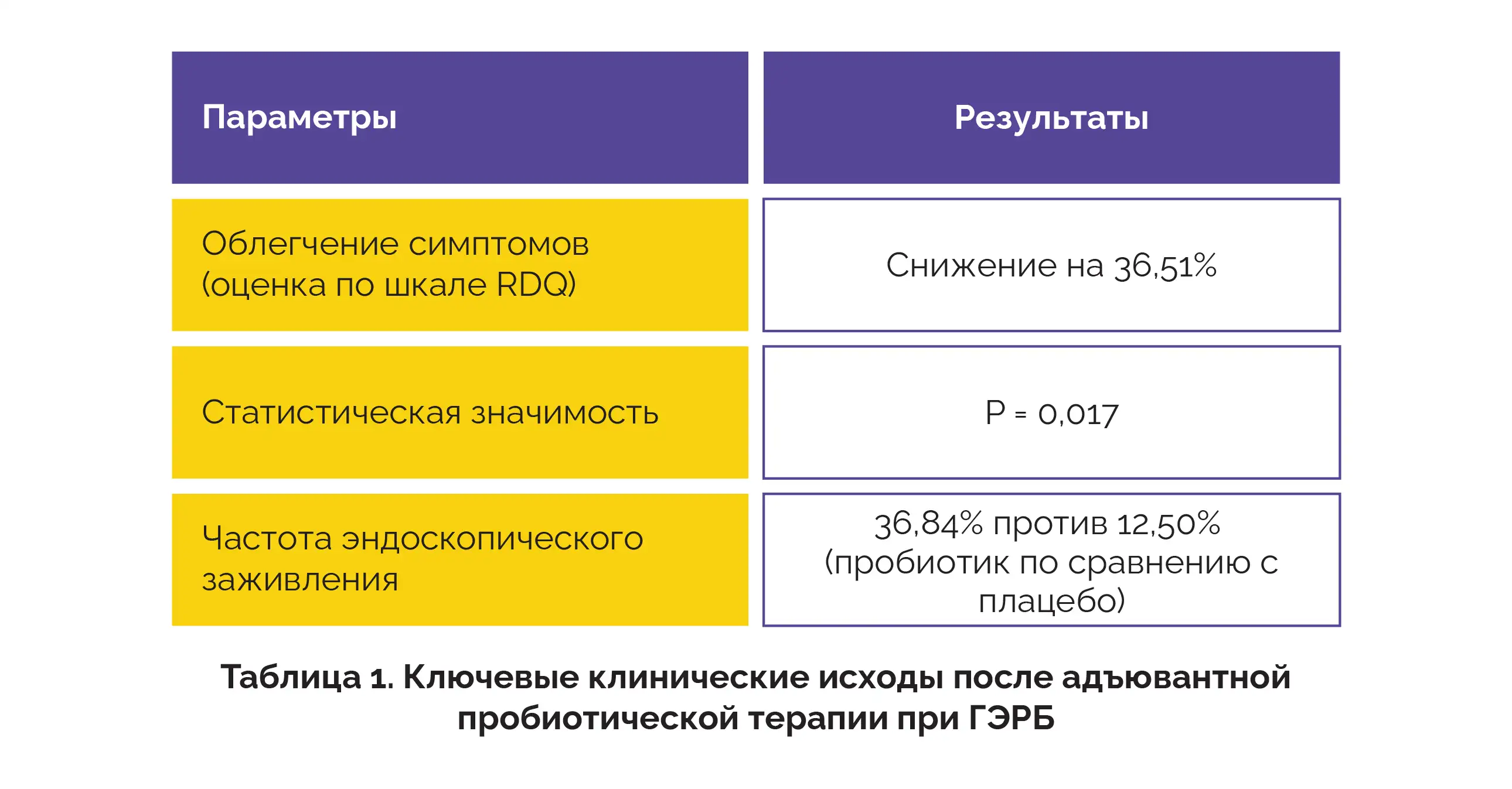
Применение пробиотиков обеспечило значительное клиническое улучшение по сравнению с плацебо и было связано с целенаправленной перестройкой микробиома кишечника и метаболических путей, участвующих в развитии ГЭРБ (таблица 1).
Наблюдаемые клинические и биологические преимущества позволяют предположить, что применение пробиотиков может помочь преодолеть ограничения длительной терапии ингибиторами протонной помпы, способствуя устойчивому облегчению симптомов и восстановлению баланса кишечной экосистемы. Полученные результаты подтвердили возрастающую важность терапевтических подходов, основанных на изучении микробиома, в лечении ГЭРБ.
Human Microbiome
Adjunctive probiotic therapy sustains symptom relief in gastroesophageal reflux disease through gut microbiome-metabolome remodeling
Yingmeng Li и соавт.













Комментарии (0)