

Categories
Change Password!
Reset Password!


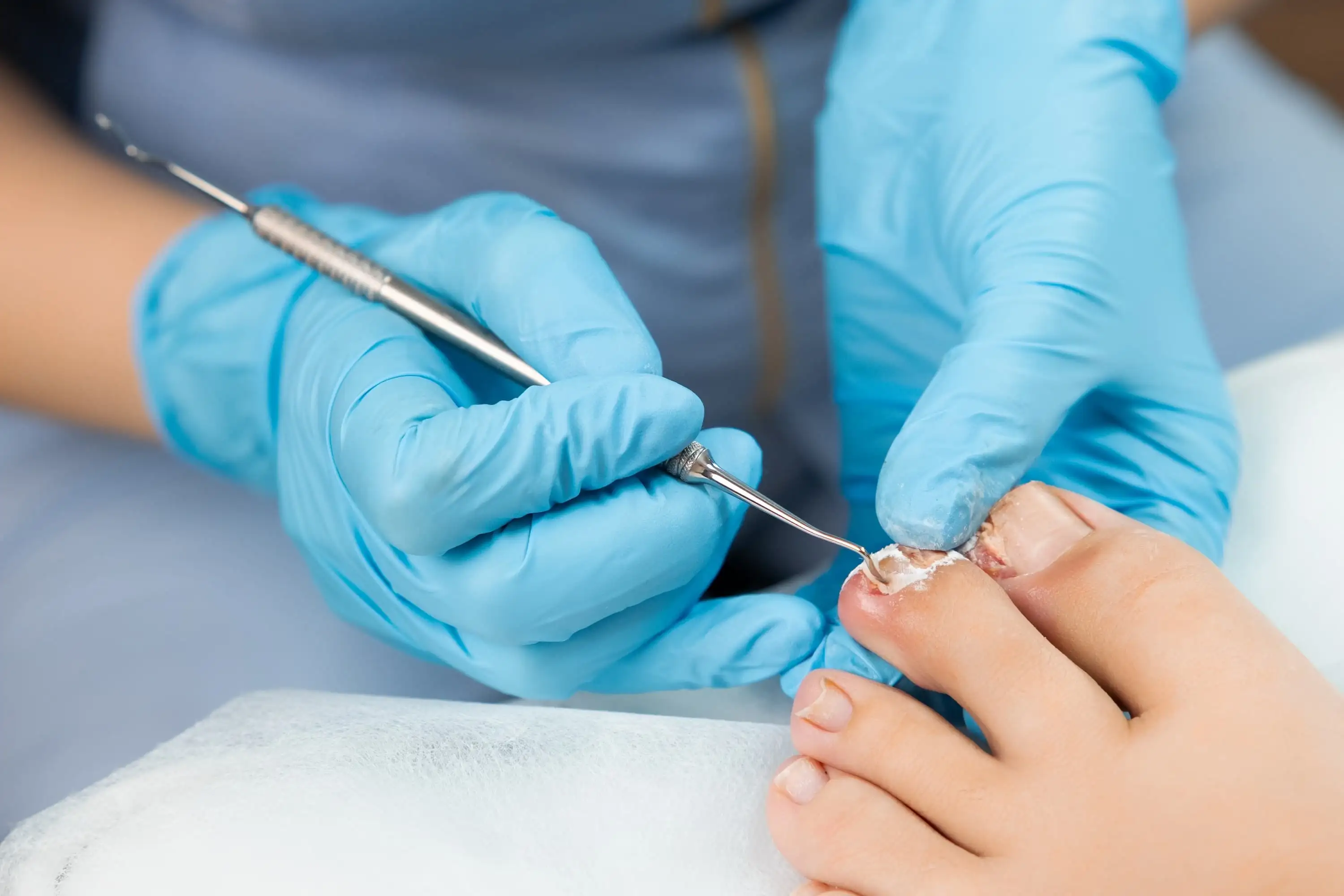
Onychomycosis accounts for 33.75% of 12,976 superficial fungal infection cases, while Trichophyton rubrum is the most frequently isolated fungal species (44.27%).
From fungal nail infections to athlete’s foot and jock itch, superficial fungal infections impact different body sites and populations. But which infections dominate, and do age and gender influence their distribution? A three-year retrospective study from Shanghai Skin Disease Hospital, East China, offers insights from 12,976 cases recorded between 2022 and 2024.
This single-centre, retrospective observational study analyzed clinical specimens, including nails, skin scales, and hair. Investigators used potassium hydroxide microscopy and fungal culture on Sabouraud dextrose agar, identifying fungi primarily through colony morphology and microscopic characteristics.
What did the study reveal?
Nail infections lead the case count. Onychomycosis (OM) was the most common presentation, accounting for 33.75% of cases, followed by tinea cruris (20.05%) and tinea pedis (18.63%). Infection patterns differ by gender. Females had higher rates of OM and tinea pedis, whereas males more frequently presented with tinea cruris, tinea corporis, and other superficial fungal infections.
Adults aged 31–40 years had the highest overall burden. OM, tinea pedis and tinea versicolor were particularly prevalent in this age group.
Dermatophytes dominated fungal cultures. These organisms accounted for 52.54% of culture-positive samples, with Trichophyton rubrum emerging as the most frequently isolated species, at 44.27%. Age and gender also influenced fungal distribution. Dermatophyte infections were more common in males, with peaks in the 31–40 and 61–70 age groups. Yeast infections were more frequent in females and were most common among those aged 21–40 years.
Why do these findings matter?
The study highlights the varied epidemiological patterns of superficial fungal infections in Shanghai, particularly the predominance of OM and dermatophytes. Recognizing differences in infection type, age distribution, and gender may help clinicians interpret local disease patterns and guide diagnostic, treatment, and prevention strategies.
Mycoses
Retrospective Epidemiological Analyses of 12,976 Culture‐Positive Superficial Fungal Infections in Shanghai, East China
Chunjiao Zheng et al.











Comments (0)