

Категории
Сменить пароль!
Сброс пароля!



Воздействие на микробиом кишечника становится новым негормональным подходом к облегчению менструальных болей у молодых женщин с первичной дисменореей.
Несмотря на то, что первичная дисменорея поражает большую часть женщин репродуктивного возраста, она по-прежнему лечится в основном с помощью анальгетиков и гормональной терапии, оставляя многих пациенток в поиске альтернативных вариантов лечения. Растущее понимание взаимосвязи между кишечником, иммунной и нейроэндокринной системой вызвало интерес к вопросу о том, могут ли микробные вмешательства влиять на механизмы возникновения менструальной боли. Поэтому исследователи изучили терапевтический потенциал мультивидовых пробиотиков у женщин, испытывающих менструальную боль от умеренной до сильной.
В двойном слепом плацебо-контролируемом рандомизированном исследовании приняли участие молодые женщины с диагностированной клинически значимой первичной дисменореей, и результаты отслеживались в течение нескольких менструальных циклов. Участницы получали либо ежедневную добавку пробиотиков, либо неактивный препарат сравнения (плацебо), а изменения в выраженности симптомов отслеживались с использованием валидированных методов оценки боли во время лечения и после прекращения терапии для оценки сохранения положительного эффекта.
Исследование продемонстрировало явное расхождение в динамике болевых ощущений между группами лечения в течение периода вмешательства. Женщины, получавшие пробиотики, испытали значительно большее снижение интенсивности менструальной боли, в то время как облегчение симптомов в группе плацебо оставалось сравнительно скромным (таблица 1).
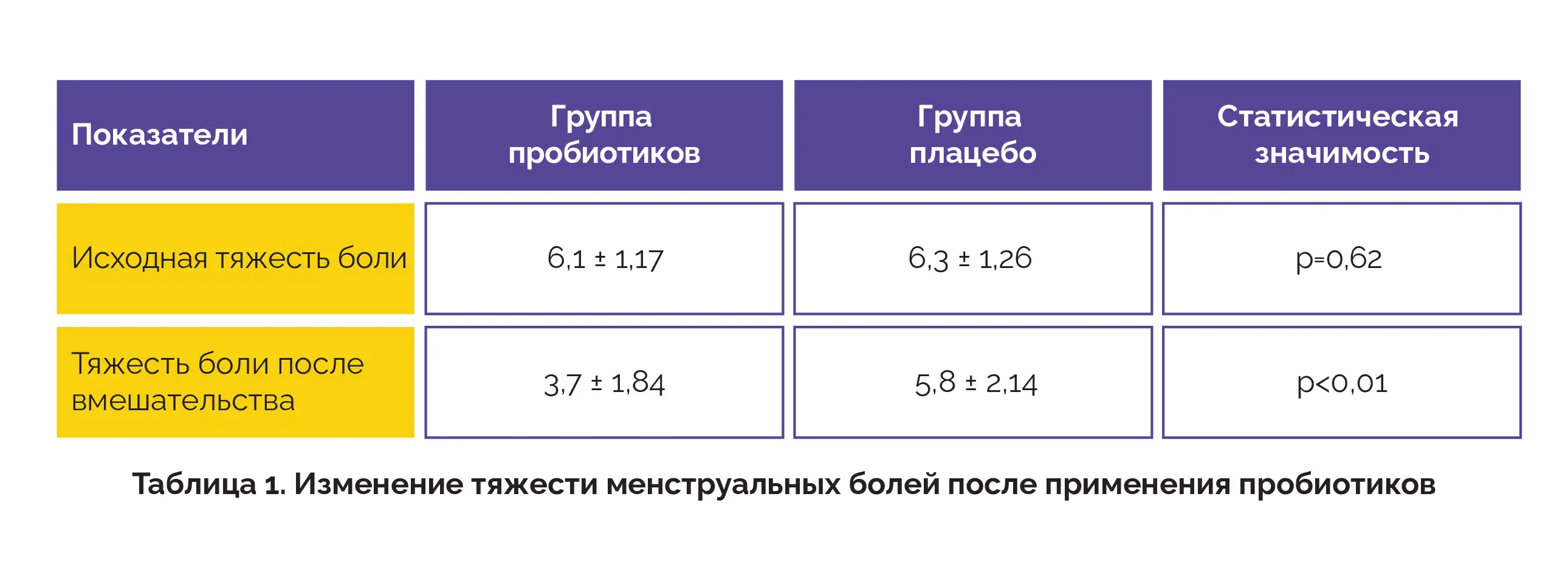
Важно отметить, что терапевтический эффект уменьшился после прекращения приема добавок, что указывает на целесообразность продолжения модуляции микробиома для поддержания клинической пользы. Вмешательство продемонстрировало хорошую переносимость, и в течение периода исследования не было выявлено серьезных проблем по безопасности.
Полученные результаты расширили представление о растущей роли микробиомной терапии в женском здоровье и показали, что добавки пробиотиков могут дополнять существующие стратегии лечения первичной дисменореи. Хотя длительность положительного эффекта остается важным фактором, исследование подчеркнуло потенциал терапии, направленной на кишечник, для пересмотра негормональных подходов к обезболиванию при менструальных болях.
Scientific Reports
Efficacy of probiotic supplementation in reducing primary dysmenorrhea: a double-blinded randomized controlled trial
Orawin Vallibhakara и соавт.














Комментарии (0)