

Категории
Сменить пароль!
Сброс пароля!


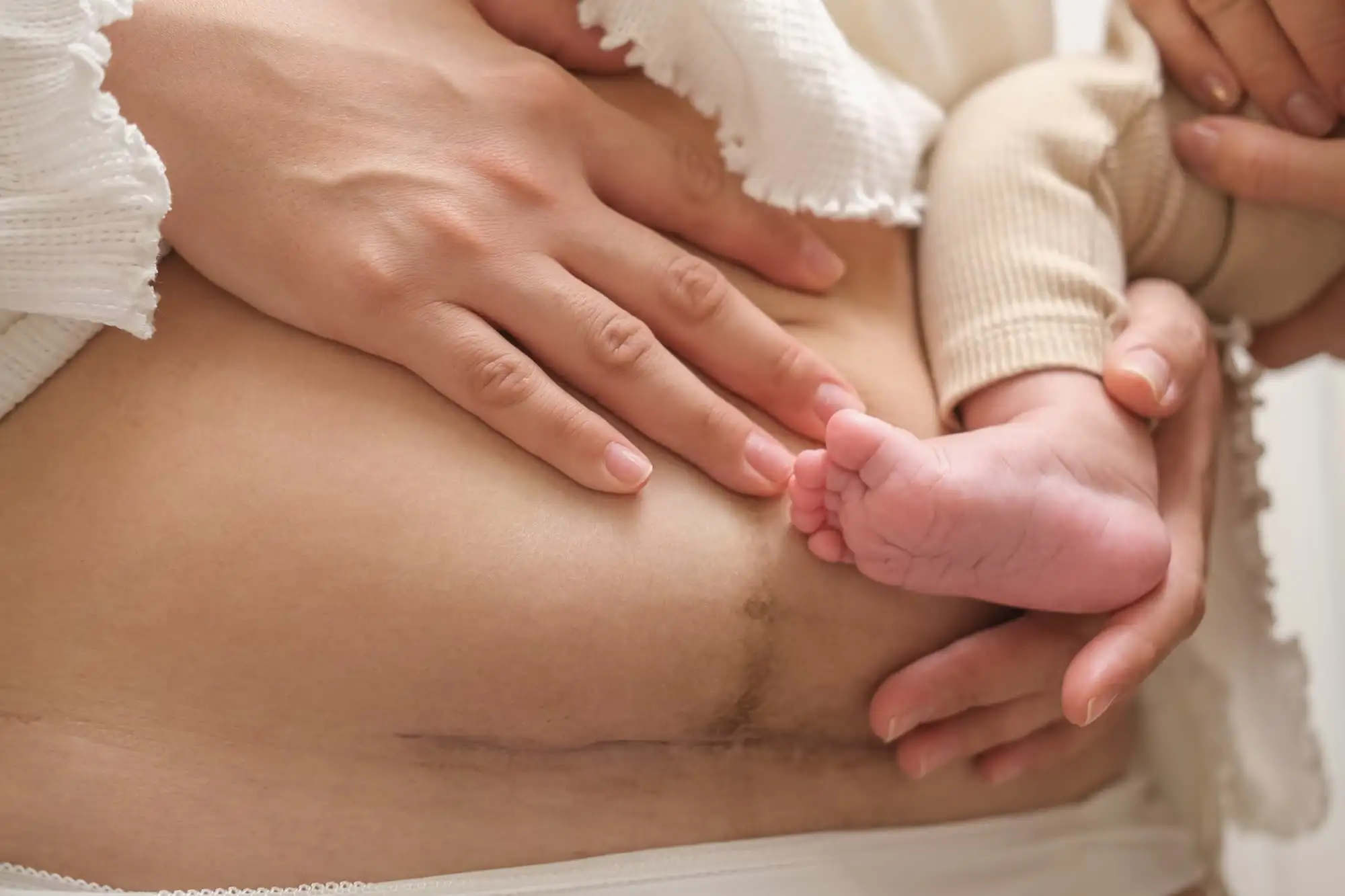
Оптимизированное дозирование кеторолака меняет подход к обезболиванию после кесарева сечения, снижая зависимость от опиоидов и сохраняя при этом благоприятные показатели безопасности.
Согласно результатам рандомизированного контролируемого исследования, проведенного Джо Эйдом и соавт. (Joe Eid et al.), более высокая нагрузочная доза кеторолака, вводимая внутривенно сразу после кесарева сечения, может обеспечить лучшее раннее обезболивание и снизить зависимость от опиоидов.
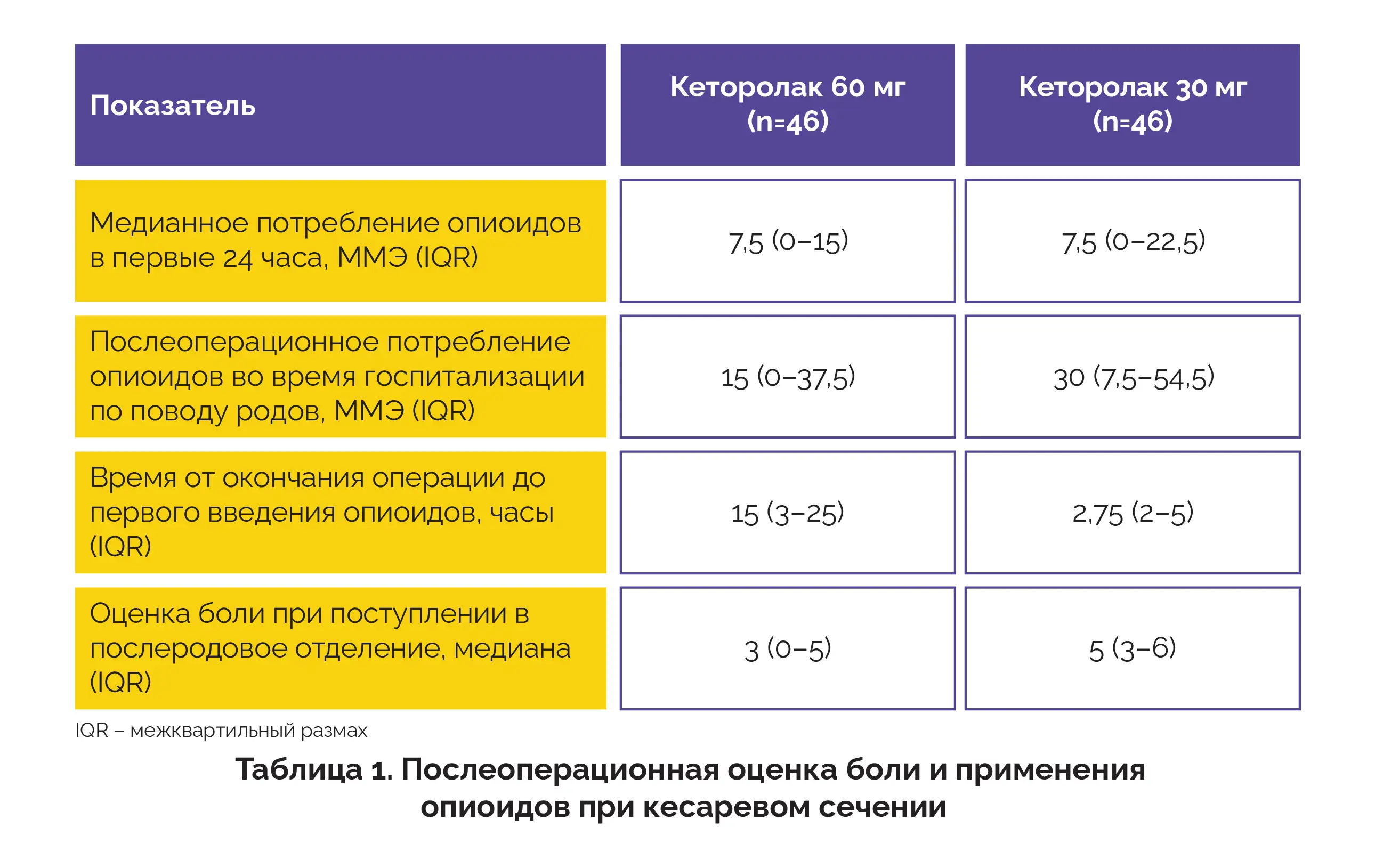
Беременные женщины (n=92), которым проводилось кесарево сечение под регионарной анестезией, были случайным образом распределены на две группы: в операционной непосредственно после завершения операции одна группа получала нагрузочную дозу кеторолака внутривенно в дозе 60 мг (группа вмешательства), другая — 30 мг (контрольная группа). Исходные демографические, акушерские и хирургические характеристики были схожими в обеих группах. Первичной конечной точкой было применение опиоидов, измеряемое в миллиграммовом эквиваленте морфина (ММЭ), в течение первых 24 часов после родов.
Вторичные конечные точки включали общее послеоперационное потребление опиоидов во время госпитализации по поводу родов, послеоперационные показатели боли (по шкале DVPRS, Defense and Veterans Pain Rating Scale, 0–10 баллов) и время от завершения кесарева сечения до первого введения опиоида. Как показано, режим с более высокой дозой обеспечил преимущества по нескольким показателям послеоперационного восстановления, включая снижение применения опиоидов и улучшение раннего контроля боли (таблица 1).
В обеих группах не наблюдалось нежелательных явлений, связанных с лечением, что подтверждает безопасность более высокой нагрузочной дозы в исследуемой популяции. Данное исследование дополняет растущее количество доказательств в пользу стратегии снижения потребности в опиоидах при обезболивании после кесарева сечения, показывая, что нагрузочная доза кеторолака 60 мг может умеренно уменьшить потребность в них, обеспечивая при этом лучший контроль боли на ранних стадиях и сохраняя благоприятный профиль безопасности. Необходимы более крупные исследования для проверки того, приводят ли эти преимущества к значимым клиническим улучшениям в рутинной клинической практике.
O&G Open
Two Perioperative Ketorolac Dosing Regimens After Cesarean Delivery and Opioid Use: A Randomized Controlled Trial
Joe Eid и соавт.













Комментарии (0)