

Категории
Сменить пароль!
Сброс пароля!


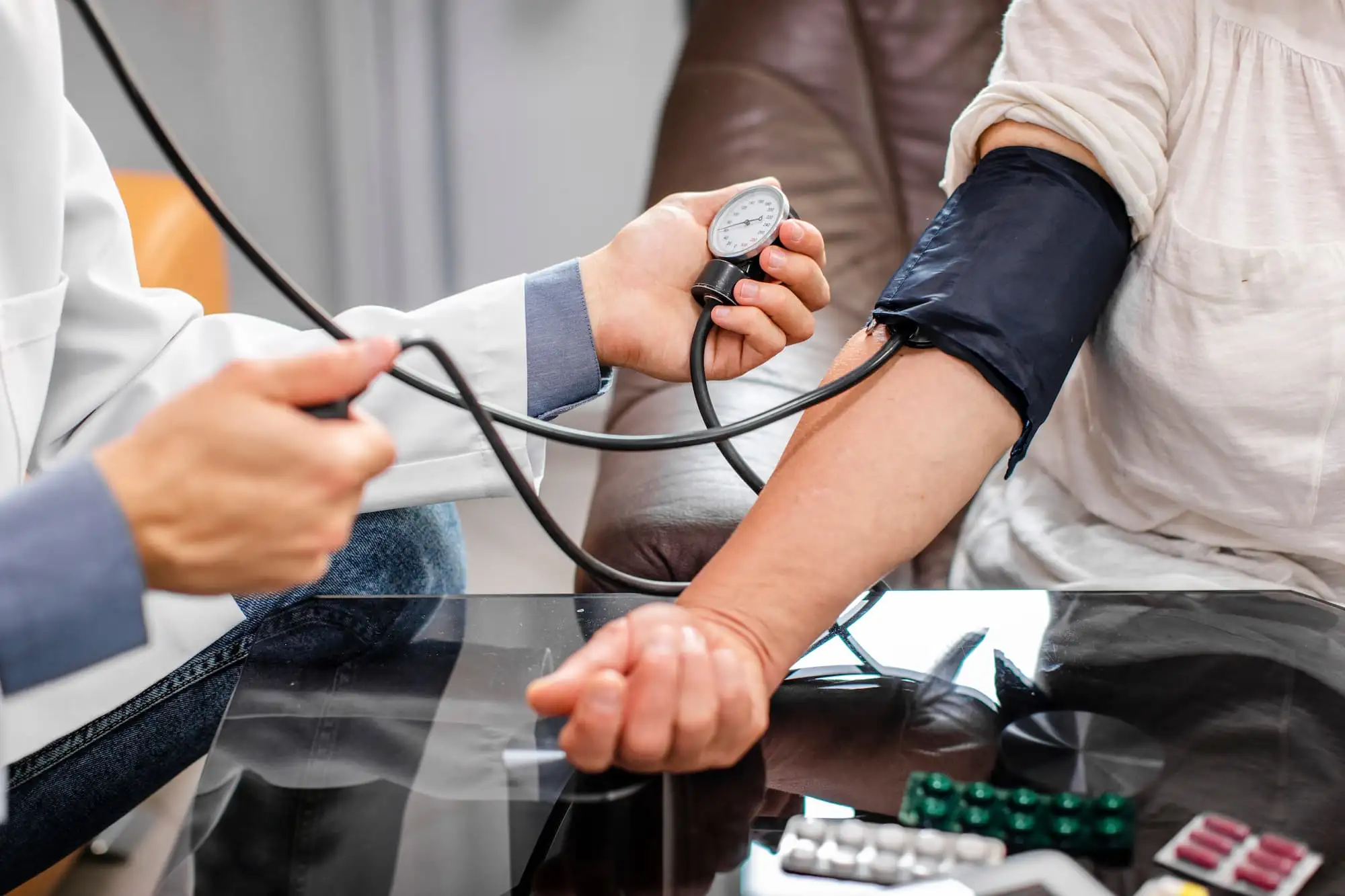
Физическая активность обратно пропорционально связана с риском развития артериальной гипертензии, гиперлипидемии и гипергликемии, причем мужчины получают больше пользы от умеренной или менее продолжительной активности, а женщины — от упражнений более высокой интенсивности или большего объема.
Артериальная гипертензия, гиперлипидемия и гипергликемия остаются основными факторами риска сердечно-сосудистых заболеваний (ССЗ) — второй по значимости причины смерти на Тайване. Хотя регулярная физическая активность (ФА) широко признана защитным фактором от этих метаболических нарушений, лишь немногие крупномасштабные исследования изучали, как эти полезные эффекты различаются у мужчин и женщин. Таким образом, новое исследование с использованием данных Тайваньского биобанка дает критически важную информацию о гендерно-специфической связи между уровнями ФА и показателями метаболического здоровья.
Жун Сянь Чэнь (Rong Xian Chen) и соавт. проанализировали данные 193 995 взрослых (67 629 мужчин и 116 326 женщин), зарегистрированных в Тайваньском биобанке. Информация о демографических данных, образе жизни и медицинском анамнезе собиралась с помощью структурированных анкет. Данные о липидном профиле, артериальном давлении и уровне глюкозы натощак были получены в ходе исходного медицинского обследования. Уровни ФА оценивали с использованием метаболических эквивалентов, учитывающих интенсивность, частоту и продолжительность активности.
Объем ФА определяли путем умножения интенсивности, частоты и продолжительности, а участники были разделены на 3 группы (низкая, умеренная, высокая) по каждому показателю, связанному с ФА.
Затем исследователи провели многомерный логистический регрессионный анализ, чтобы изучить связи между показателями ФА и наличием артериальной гипертензии, гиперлипидемии и гипергликемии, сравнивая результаты между полами с использованием скорректированного отношения шансов (aOR).
Основные результаты
Анализ выявил существенные гендерные различия в том, как различные параметры ФА влияют на метаболические состояния.
(а) У мужчин
(b) У женщин
Интересно, что гиперлипидемия продемонстрировала значимую связь с показателями ФА только у мужчин, что указывает на возможные биологические или поведенческие гендерные различия, влияющие на липидный обмен. Данное масштабное исследование подчеркивает, что защитный эффект ФА в отношении артериальной гипертензии, гиперлипидемии и гипергликемии варьирует в зависимости от пола.
Мужчины получили большую пользу от занятий умеренной интенсивности или меньшей продолжительности, в то время как у женщин более сильные защитные связи были выявлены при более высоких объемах и интенсивности физической активности. Эти результаты подчеркивают важность рекомендаций по физической активности, учитывающих гендерные аспекты, для укрепления сердечно-сосудистого и метаболического здоровья в азиатской популяциии.
Atherosclerosis
Exploring gender differences in the association of hypertension, hyperlipidemia, and hyperglycemia with physical activity in Taiwan: A population-based cross-sectional study
Rong Xian Chen и соавт.
















Комментарии (0)