

Категории
Сменить пароль!
Сброс пароля!


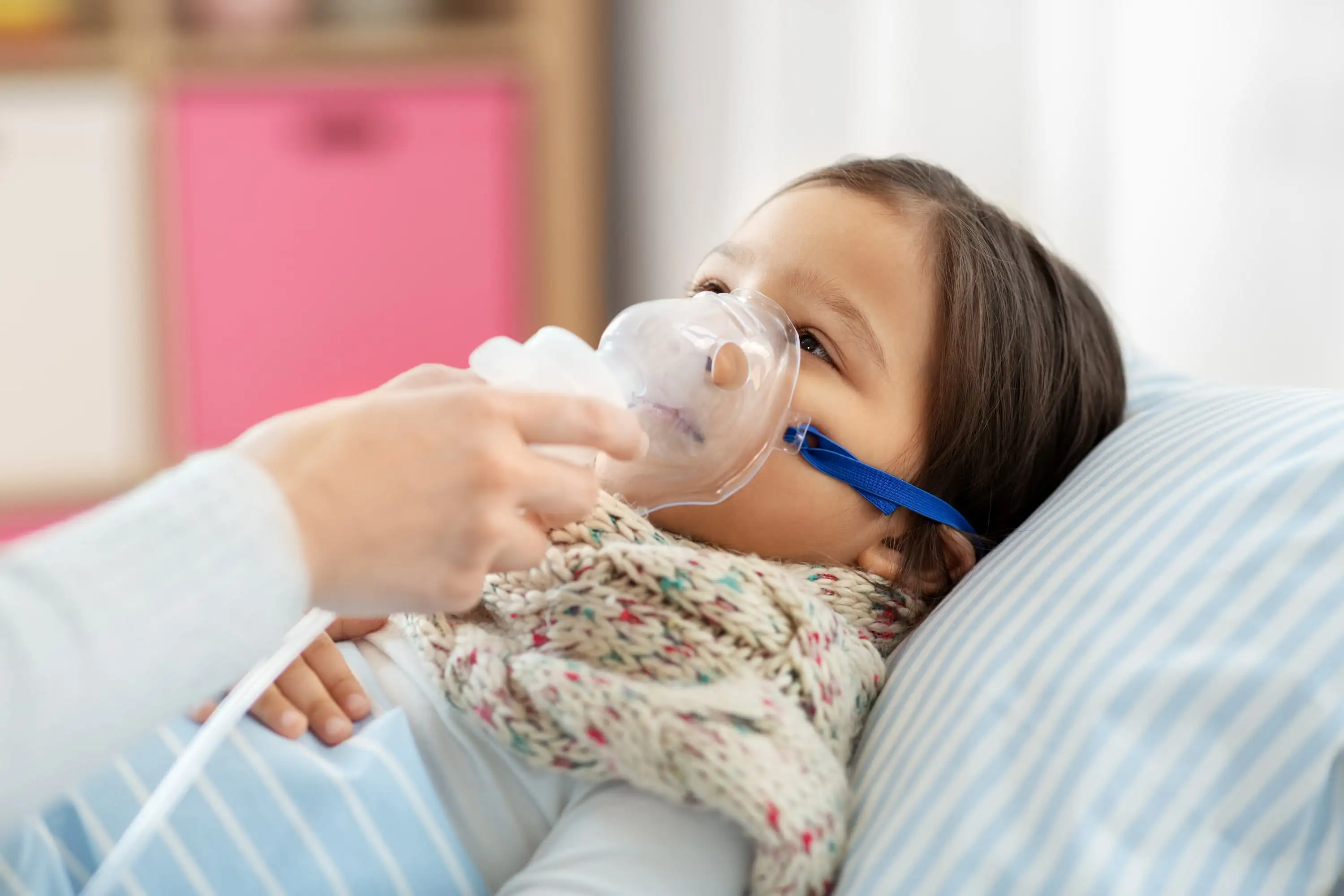
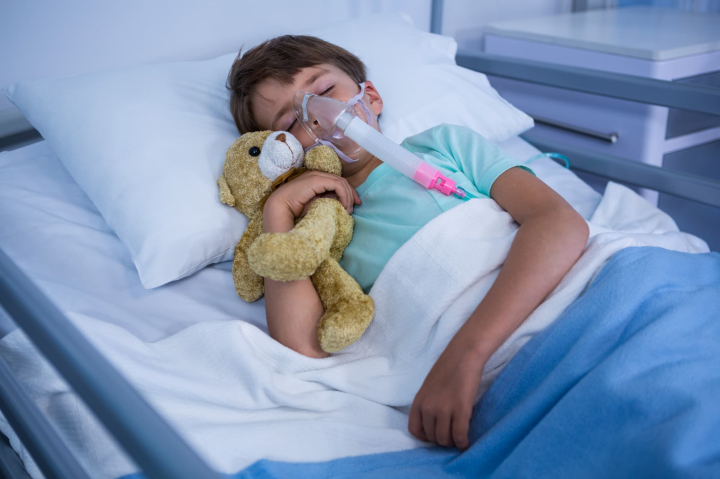
Гибкая трахеобронхоскопия помогает проводить целенаправленные вмешательства на дыхательных путях и улучшает стабильность дыхания у детей с трахеостомой и трахеобронхомаляцией, испытывающих стойкие дыхательные нарушения.
Трахеобронхомаляция остается значительной причиной длительной зависимости от искусственной вентиляции легких у детей, и дыхательная нестабильность часто сохраняется, несмотря на, казалось бы, надежное обеспечение проходимости трахеостомических трубок. В этом исследовании оценивались исходы, связанные с дыхательными путями, у госпитализированных детей с трахеостомой, находящихся на искусственной вентиляции легких и имеющих нестабильный респираторный статус.
Исследователи ретроспективно проанализировали данные пациентов детского возраста с трахеостомой и зависимостью от искусственной вентиляции легких, которым во время пребывания в стационаре проводилась трахеобронхоскопия (непосредственно у постели пациента), чтобы оценить ее влияние на обеспечение проходимости дыхательных путей и клинические результаты. Были изучены медицинские карты для оценки вмешательств на дыхательных путях, включая изменения положительного давления в конце выдоха (ПДКВ), замены трахеостомических трубок, проведения хирургических процедур и назначения дополнительных лекарственных препаратов после бронхоскопической оценки.
В общей сложности 132 пациента с медианным возрастом 6 месяцев перенесли 204 трахеобронхоскопии, в среднем 1,5 процедуры на одну госпитализацию (таблица 1).
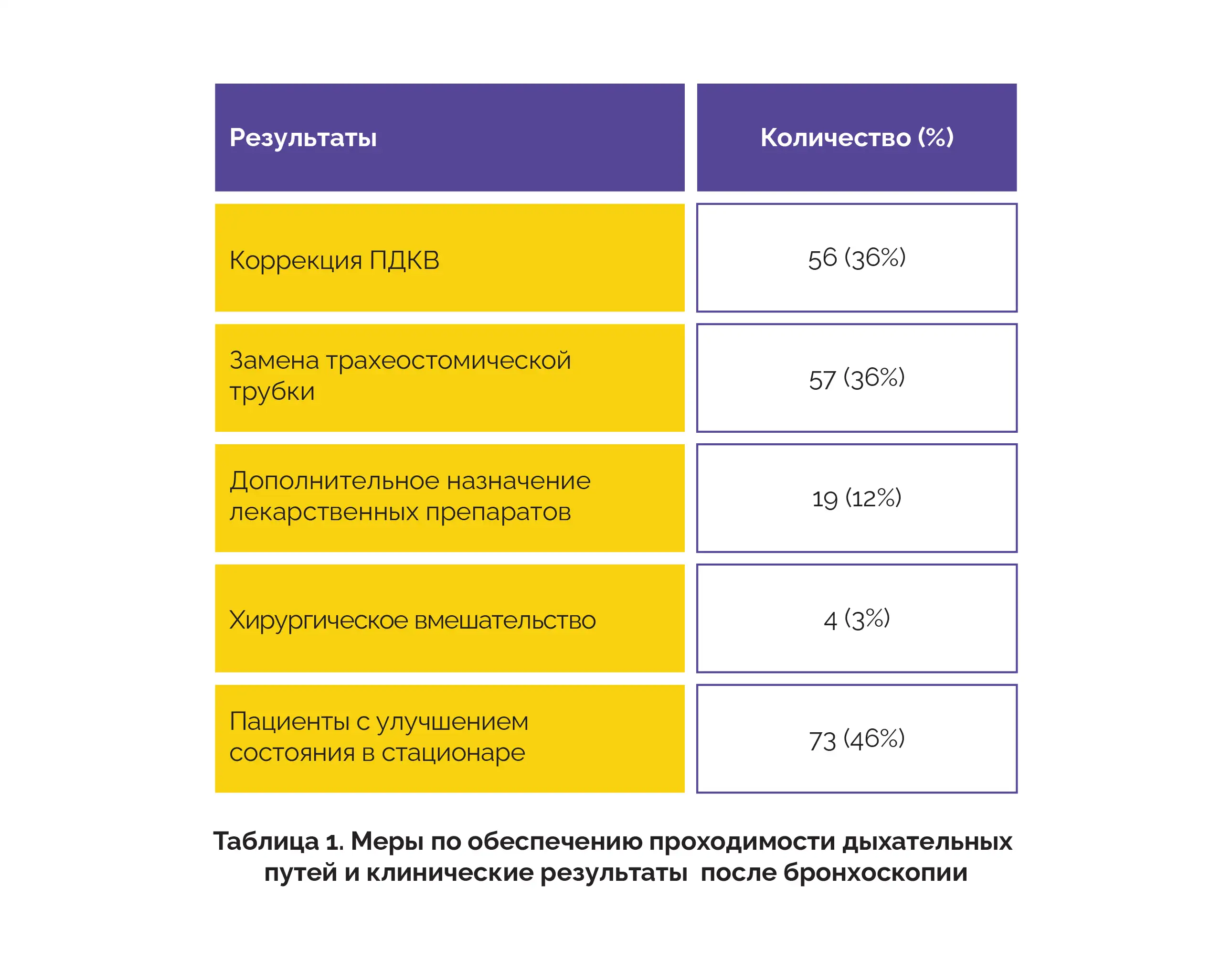
Медикаментозная терапия была связана с заметным улучшением вариабельности максимального давления вдоха в течение 24 часов, в то время как замена трахеостомической трубки не была связана с измеримым улучшением дыхания. Пациенты, перенесшие замену трахеостомической трубки, с большей вероятностью требовали дополнительных бронхоскопических исследований и реже достигали улучшения состояния в стационаре.
Результаты показали, что нестабильность дыхания у детей с трахеостомой возникает из-за различных факторов, связанных с дыхательными путями, и эффективно оценивается с помощью гибкой трахеобронхоскопии. Лечение под контролем бронхоскопии способствовало проведению целенаправленных вмешательств, а оптимизация ПДКВ и отдельные виды медикаментозной терапии были связаны с улучшением стабильности дыхания во время госпитализации.
Pediatric Pulmonology
Airway Management for Ventilation Instability After Tracheostomy in Pediatric Patients With Tracheobronchomalacia
Harrison M. Thompson и соавт.








Комментарии (0)