

Категории
Сменить пароль!
Сброс пароля!


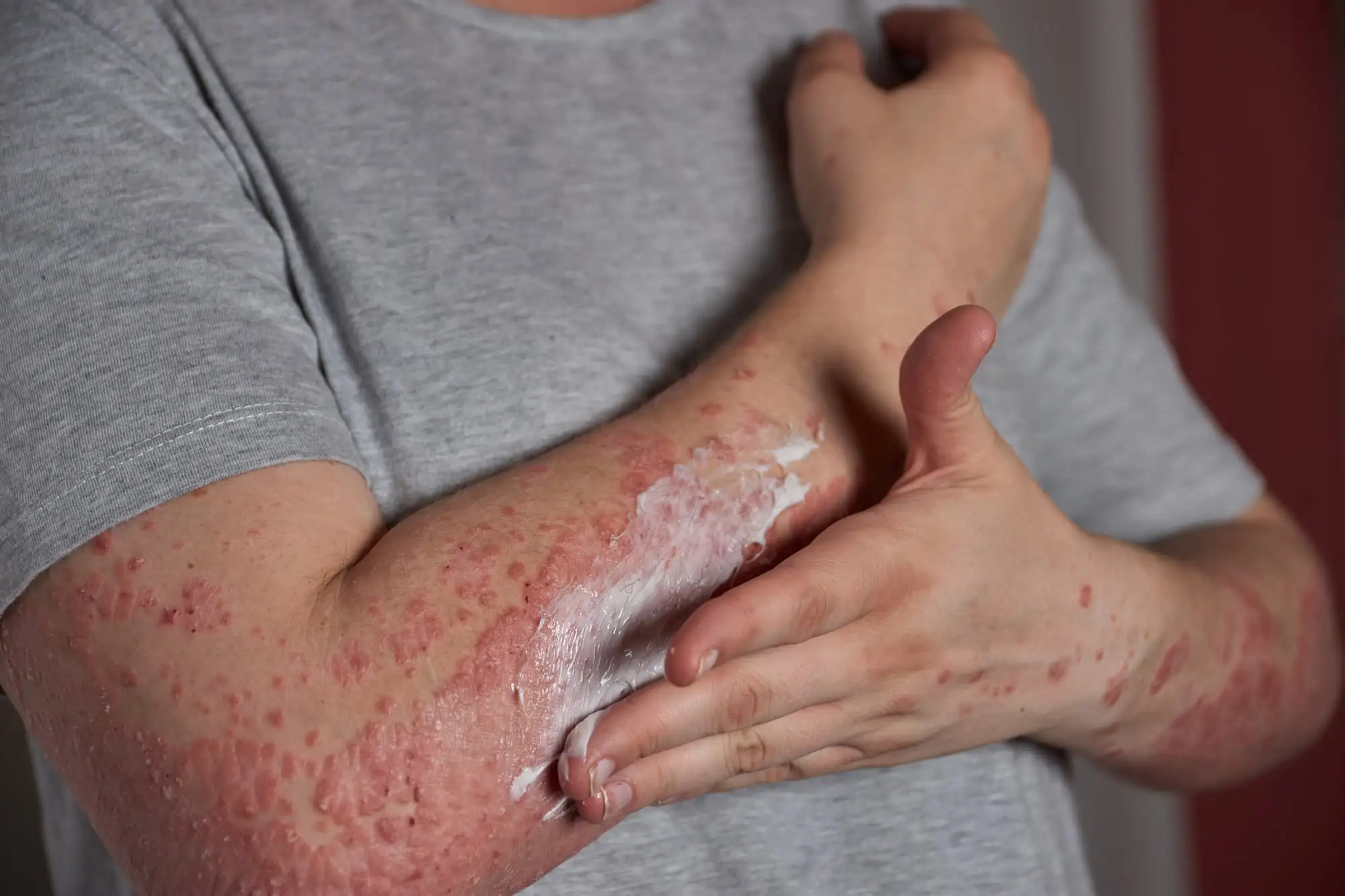
Чувствительность к аэроаллергенам демонстрирует сильную и значимую связь с хронической крапивницей, при этом аллергический ринит становится частым сопутствующим заболеванием, а повышенные уровни IgE указывают на выраженный атопический профиль.
Хроническая спонтанная крапивница (ХСК) — хроническое заболевание кожи, характеризующееся рецидивирующей сыпью и зудом, — остается загадочным аллергическим расстройством с неясными механизмами развития. Несмотря на продолжающиеся исследования, роль аэроаллергенов окружающей среды, таких как плесень, пыльца и пылевые клещи, в возникновении хронической крапивницы до конца не изучена. Новое одномоментное исследование предоставило убедительные доказательства, подчеркивающие значимую связь между сенсибилизацией к аэроаллергенам и ХСК, предполагая, что аллергический ринит (АР) может выступать в качестве частого сопутствующего заболевания.
Основной целью было изучение взаимосвязи между чувствительностью к аэроаллергенам и ХСК, в частности, выявление повышенной сенсибилизации к аэроаллергенам у пациентов с ХСК. Всего был обследован 91 пациент с диагностированной ХСК. Исследователи собрали комплексные демографические данные и провели кожные прик-тесты (КПТ) на распространенные аэроаллергены, включая пыльцу растений, деревьев и пылевых клещей. Кроме того, проводились исследования функции легких для оценки наличия бронхиальной астмы. Для определения атопической предрасположенности проверялись уровни общего сывороточного иммуноглобулина E (IgE). Клинические данные были сопоставлены для выявления у участников сопутствующего АР и бронхиальной астмы.
Основные результаты
Из 91 участника 75 были женского пола, средний возраст составил 36,9 ± 12,93 года.
Кроме того, у 40,7% (37 пациентов) был диагностирован АР, что иллюстрирует статистически значимую связь между АР и положительными результатами КПТ (p = 0,002). Важно отметить, что у 8 пациентов также была аллергическая астма, а у 49,4% (45 пациентов) наблюдалось повышение уровня сывороточного IgE выше 100 МЕ/мл, что указывает на выраженный атопический профиль. Исследователи пришли к выводу, что чувствительность к аэроаллергенам играет важную роль в развитии ХСК. Было обнаружено заметное совпадение между ХСК и АР, что позволяет предположить, что сопутствующие аллергии дыхательных путей могут усугублять течение заболевания кожи или влиять на него. Эти результаты подчеркивают важность проведения аллергических тестов у пациентов с ХСК для раннего выявления и персонализированного лечения. Скрининг на АР и бронхиальную астму может дополнительно улучшить результаты лечения и качество жизни.
Postępy Dermatologii i Alergologii (Advances in Dermatology and Allergology)
Investigating the association of atopy and aeroallergen sensitization and chronic spontaneous urticaria
Hossein Esmaeilzadeh и соавт.















Комментарии (0)