

Categories
Change Password!
Reset Password!


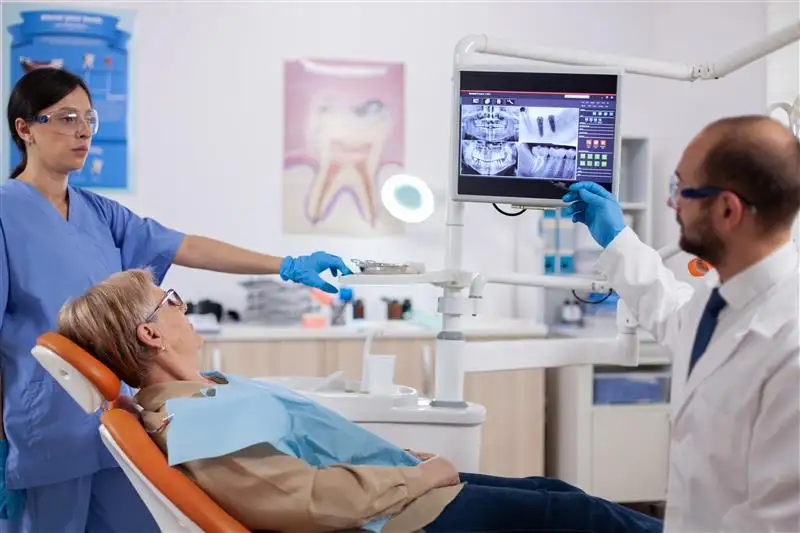
AI-driven CoTreat tool shows 98.3% agreement with dentists and accurately identifies urgent dental cases with 100% sensitivity in public oral healthcare triage.
According to the findings of a pioneering pilot study, artificial intelligence (AI) can accurately support clinical triaging in public oral healthcare, potentially transforming the way urgent dental care is prioritized. The study, led by Tan Minh Nguyen et al., evaluated the CoTreat AI-driven platform against experienced dentists in determining which patients required urgent care.
AI Demonstrates Exceptional Agreement with Dentists
Over a 6-month period, 173 patients (mean age of 61.9 years) were triaged using both traditional dentist evaluation and the CoTreat AI tool. One-third of patients (n = 57) were classified as needing urgent dental care based on criteria including:
The CoTreat tool achieved 98.3% overall agreement with dentists’ clinical decisions, with a Cohen’s kappa of 0.96, indicating near-perfect concordance. It recorded 100% sensitivity and 97.5% specificity, with a positive predictive value of 94.7% and a negative predictive value of 100%. The most frequently flagged urgent issues were missing anterior teeth (60.3%) and abscesses (20.7%).
Implications for Value-Based Public Dental Care
The study emphasizes the potential of AI-driven tools to boost community dentistry, population health surveillance, and value-based healthcare by efficiently identifying those with urgent needs. According to researchers, broader implementation of CoTreat could streamline triage workflows in public oral healthcare settings while ascertaining that high-risk patients receive timely intervention. To sum up, AI has the potential to advance clinical care in dentistry by supporting triage and care prioritization.
Value in Health
Face Validation of an Artificial Intelligence Driven Tool for Clinical Triaging in Australian Public Oral Healthcare: A Pilot Study
Tan Minh Nguyen et al.














Comments (0)