

Категории
Сменить пароль!
Сброс пароля!


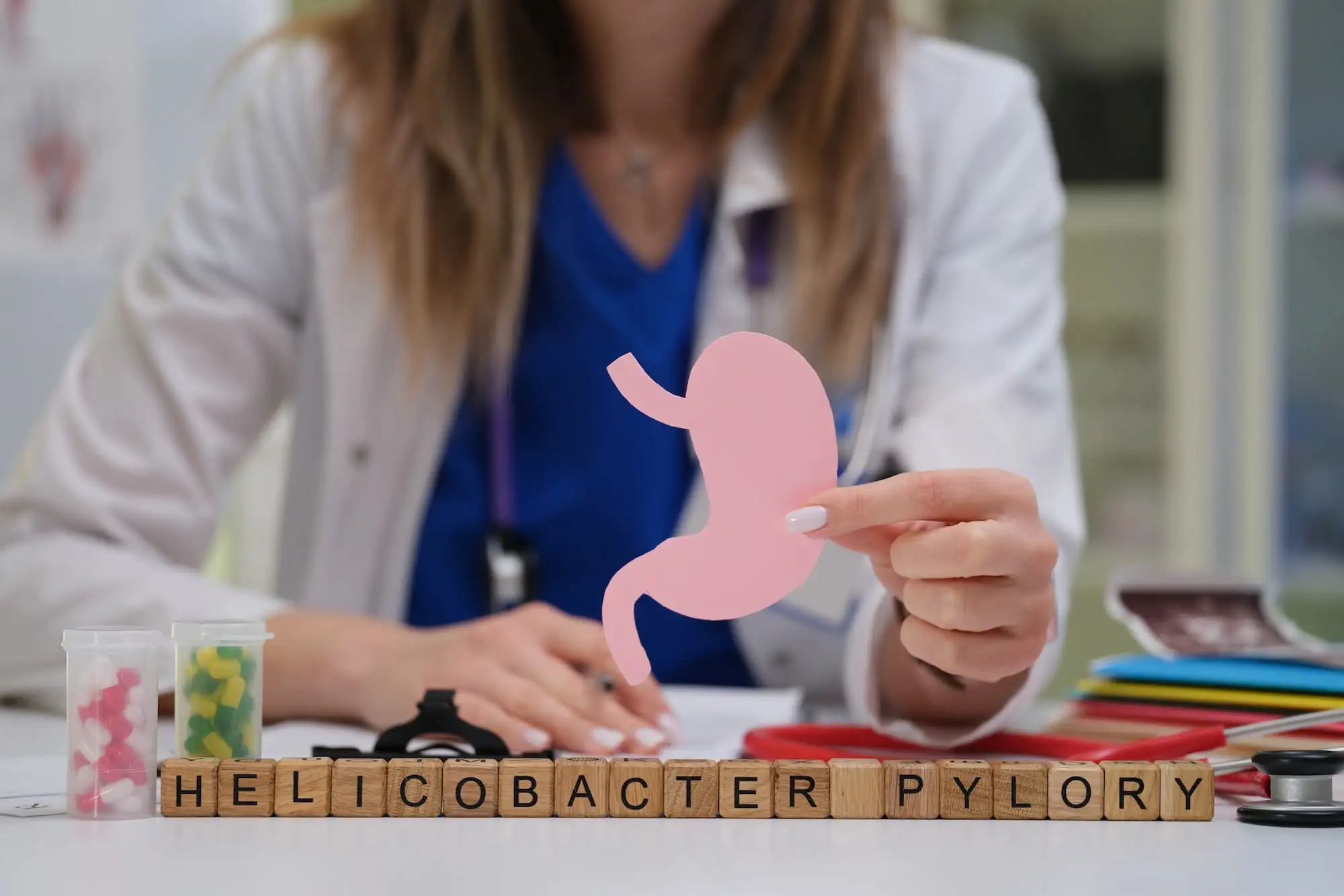
Новые рекомендации ACG отдают предпочтение 14-дневной BQT как терапии первой линии при инфекции Helicobacter pylori и подтверждают необходимость повсеместного подтверждения эрадикации после лечения.
Инфекция Helicobacter pylori (H. pylori) остается одной из наиболее распространенных хронических бактериальных инфекций в мире и является основным фактором диспепсии, язвенной болезни и рака желудка. Растущая устойчивость к антибиотикам и меняющиеся результаты лечения продолжают создавать проблемы для эффективной терапии, подчеркивая необходимость обновленных, основанных на доказательствах клинических рекомендаций. Чтобы решить эти проблемы, Американская коллегия гастроэнтерологов (ACG) разработала всеобъемлющее клиническое руководство для оценки текущих доказательств и предоставления обновленных рекомендаций по диагностике, лечению и ведению пациентов после завершения эрадикационной терапии H. pylori в Северной Америке.
Руководство было разработано с использованием системы GRADE (Системы разработки, оценки и экспертизы степени обоснованности клинических рекомендаций). Эксперты провели систематический обзор имеющихся данных по 11 вопросам PICO (Population, Intervention, Comparison, and Outcome), касающимся лечения инфекции H. pylori . Рекомендации были сформулированы на основе качества доказательств и клинической значимости, в то время как экспертный консенсус использовался для разработки дополнительных ключевых концепций в областях, где надежные доказательства были ограничены.
Руководство установило несколько важных рекомендаций по лечению инфекции H. pylori :
Было выявлено несколько пробелов в знаниях, что привело к рекомендациям для будущих исследований, направленных на улучшение результатов лечения и рациональное использование антибиотиков. В целом, рекомендации способствовали выбору методов лечения на основе доказательств, подчеркивали необходимость подтверждения эрадикации и поощряли более персонализированный подход к лечению пациентов с инфекцией H. pylori .
Обновленное руководство ACG представляет собой значительный шаг вперед в лечении инфекции H. pylori, поскольку приводит рекомендации по лечению в соответствие с современными данными и новыми тенденциями в области антимикробной резистентности. Благодаря приоритетному использованию эффективных схем лечения первой линии, пропаганде рутинного подтверждения эрадикации и поддержке терапии, основанной на определении чувствительности к антибиотикам, когда это целесообразно, рекомендации предоставили врачам практическую основу для повышения эффективности лечения и снижения долгосрочного бремени заболеваний, связанных с H. pylori.
The American Journal of Gastroenterology
ACG Clinical Guideline: Treatment of Helicobacter pylori Infection
William D Chey и соавт.















Комментарии (0)