

Категории
Сменить пароль!
Сброс пароля!


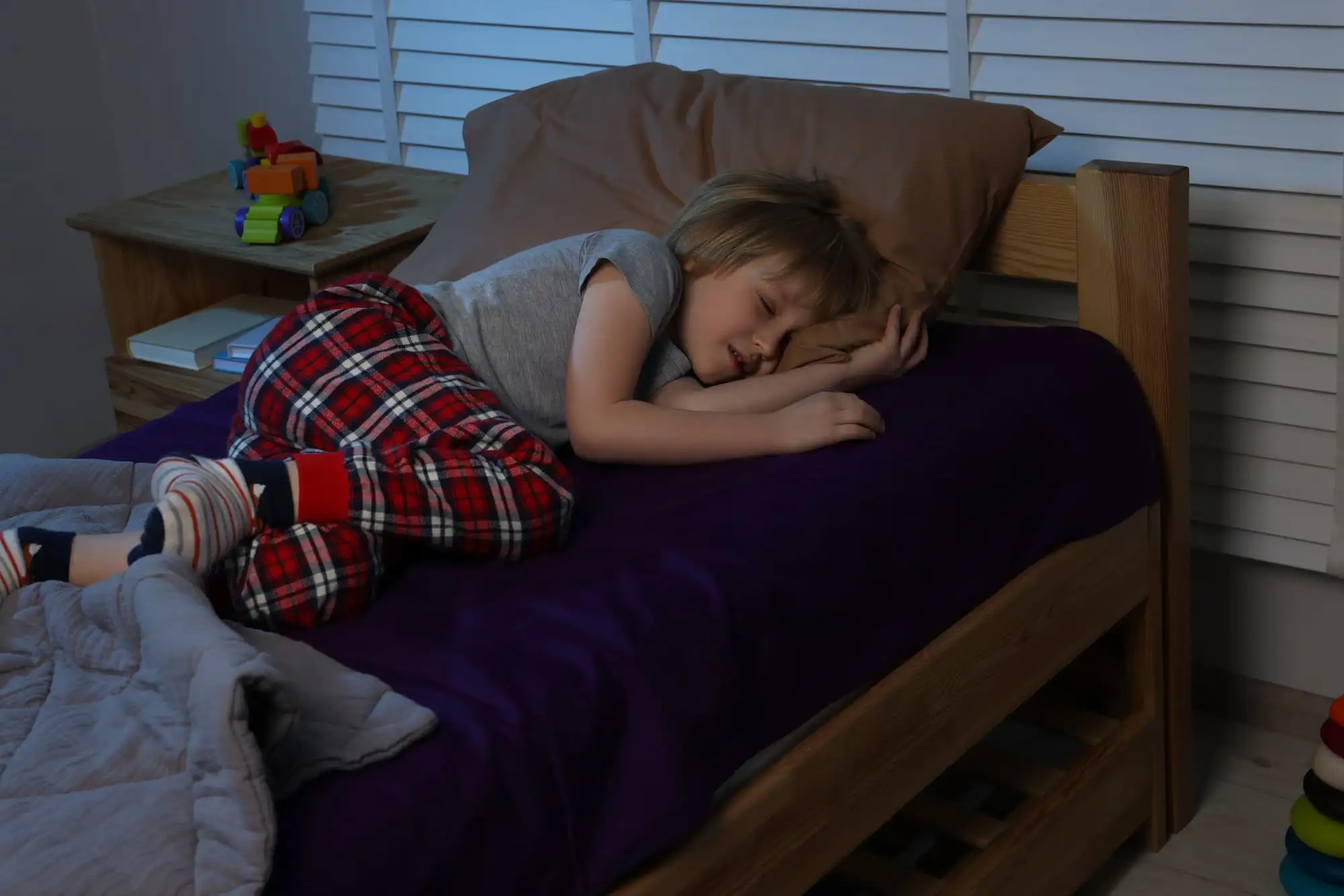
Дыхательное усилие во время сна является одним из ключевых факторов, влияющих на тяжесть бронхиальной астмы и обструктивного апноэ сна у детей, и существенно зависит от аллергии, лечения астмы и элиминационных диет.
Синдром обструктивного апноэ сна (СОАС) у детей становится все более сложным при сочетании с бронхиальной астмой, аллергией и ожирением, однако общие механизмы, связывающие эту триаду, остаются малоизученными. Хотя бронхиальная астма признана предрасполагающим фактором СОАС, остается открытым клиническим вопросом, предшествует ли аллергия этому процессу независимо от астмы.
Индекс апноэ-гипопноэ (ИАГ), стандартный показатель тяжести СОАС, недостаточен для индивидуализированного лечения без учета более полного клинического профиля пациента. Усугубляет ситуацию то, что у детей с ожирением, получающих адекватную терапию СОАС, продолжает увеличиваться индекс массы тела (ИМТ), что указывает на то, что ось аллергия-ожирение-сон гораздо сложнее, чем считается в настоящее время.
Чтобы устранить эти пробелы, исследователи стремились охарактеризовать полиграфические (ПГ) и полисомнографические (ПСГ) профили детей с сочетанным диагнозом СОАС-астма и определить, как аллергический статус, лечение астмы (ЛА) и элиминационные диеты (ЭД) влияют на ИАГ, ночное дыхательное усилие и ИМТ, в конечном итоге работая над более ранним, более целенаправленным лечением СОАС у детей.
Исследовательская группа провела исследование, соответствующее требованиям STROBE, объединяющее одномоментный дизайн, компонент случай-контроль, диагностическую оценку и проспективную когорту. Статистический анализ проводился с использованием пакета программ обработки статистических данных общественных наук (Statistical Package for the Social Sciences), а также пат-анализа (путевого анализа) через анализ моментных структур, что позволило исследователям моделировать прямые и косвенные причинно-следственные связи между переменными, представляющими интерес.
Авторы систематически оценивали влияние ЛА, аллергических профилей с особым вниманием к одновременному наличию не-IgE-опосредованных и респираторных аллергий, а также протоколов элиминационных диет на широкий набор параметров ПГ/ПСГ. Переменные исхода включали ИАГ, ночное дыхательное усилие, ИМТ, индекс респираторных нарушений, фрагментацию сна, индекс десатурации и фрагментацию сна дыхательного происхождения. В результате исследования были получены несколько клинически значимых и меняющих практику результатов по параметрам сна, метаболизма и аллергии:
СОАС у детей требует диагностического подхода, выходящего далеко за рамки одного ИАГ. Профилирование аллергии, фармакотерапия астмы и элиминационные диеты оказались мощными, модифицируемыми инструментами, способными повлиять на сон, дыхательную систему и метаболизм. Раннее воздействие на эти факторы может прервать циклическое прогрессирование апноэ сна, ожирения и астмы у детей из группы риска.
Medicine
Allergies, asthma treatment, and eviction diet have a significant impact on the respiratory effort during sleep and the apnea-hypopnea index in children with obstructive sleep apnea-obesity/asthma association: A STROBE-compliant study
Kalomoira Kefala и соавт.












Комментарии (0)