

Категории
Сменить пароль!
Сброс пароля!


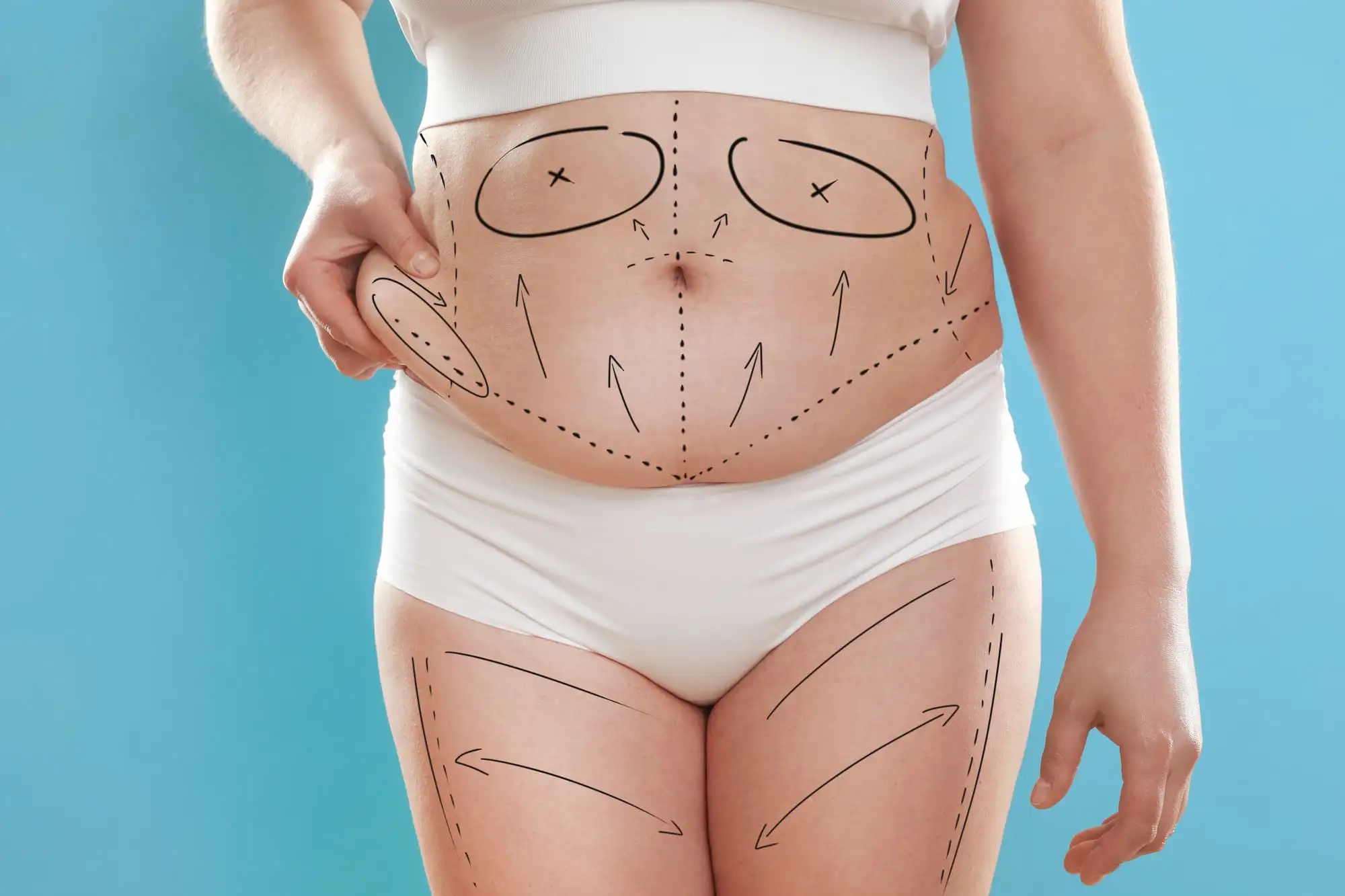
Эрозия, ассоциированная с устройством магнитного укрепления сфинктера, поражает почти 4% пациентов после продольной резекции желудка, при этом ожирение, недостаточное восстановление пищеводного отверстия диафрагмы и неправильный подбор размера имплантата значительно повышают риск.
Согласно новому систематическому обзору и метаанализу, магнитное укрепление сфинктера (MSA), менее инвазивная альтернатива шунтированию желудка с гастроеюноанастомозом по Ру для лечения гастроэзофагеальной рефлюксной болезни (ГЭРБ) после лапароскопической продольной резекции желудка (ЛПРЖ), связана с более высоким, чем ожидалось, риском эрозии, ассоциированной с MSA.
Объединив данные 14 исследований и 287 пациентов, исследователи обнаружили, что у 3,8% пациентов (11/287) развилась эрозия, ассоциированная с MSA, после ЛПРЖ — показатель более чем в десять раз превышающий 0,1%-0,3%, о которых сообщается в небариатрической популяции (P < 0,001). Медиана периода наблюдения составила 24 месяца; эрозии обычно возникали через 18 месяцев после имплантации. Анализ также выявил ряд факторов, значительно повышающих риск эрозии. Индекс массы тела (ИМТ) более 30 кг/м² на момент имплантации MSA был связан с более чем трехкратным увеличением риска (отношение шансов [OR] 3,2).
Технические факторы оказались одинаково важными: отсутствие восстановления пищеводного отверстия диафрагмы (OR, 4,1) и неправильный подбор размера устройства (OR, 3,8) были одними из наиболее сильных факторов, предсказывающих эрозию. Кроме того, стойкая дилатация «рукава» желудка почти втрое увеличивала риск (OR, 2,7). У большинства пациентов эрозия не оставалась бессимптомной. Почти три четверти (72,7%) пациентов предъявляли жалобы на дисфагию, что делало её наиболее распространённым предупреждающим признаком. После возникновения эрозии во всех случаях требовалось удаление устройства MSA. Обнадеживает то, что исходы после удаления имплантата были благоприятными: 90,9% пациентов сообщили о разрешении симптомов.
Хотя результаты подчеркивают явно повышенный риск эрозии после ЛПРЖ, авторы отмечают, что общая частота остается относительно низкой и должна рассматриваться наряду с 7%-8% частотой осложнений, связанных с переходом к шунтированию желудка с гастроеюноанастомозом по Ру. Результаты показывают, что тщательный отбор пациентов и учет модифицируемых факторов, включая оптимизацию массы тела, тщательное восстановление пищеводного отверстия диафрагмы, правильный подбор размера имплантата и оценку анатомии желудка, могут помочь минимизировать риск эрозии и улучшить долгосрочные результаты.
По мере расширения применения MSA у пациентов после бариатрических операций, эти результаты служат важным ориентиром для хирургов, стремящихся сбалансировать контроль рефлюкса и безопасность процедуры.
Surgery for Obesity and Related Diseases
Risk of magnetic sphincter augmentation erosion following sleeve gastrectomy: a systematic review and meta-analysis
Patrick Noel и соавт.








Комментарии (0)