

Категории
Сменить пароль!
Сброс пароля!


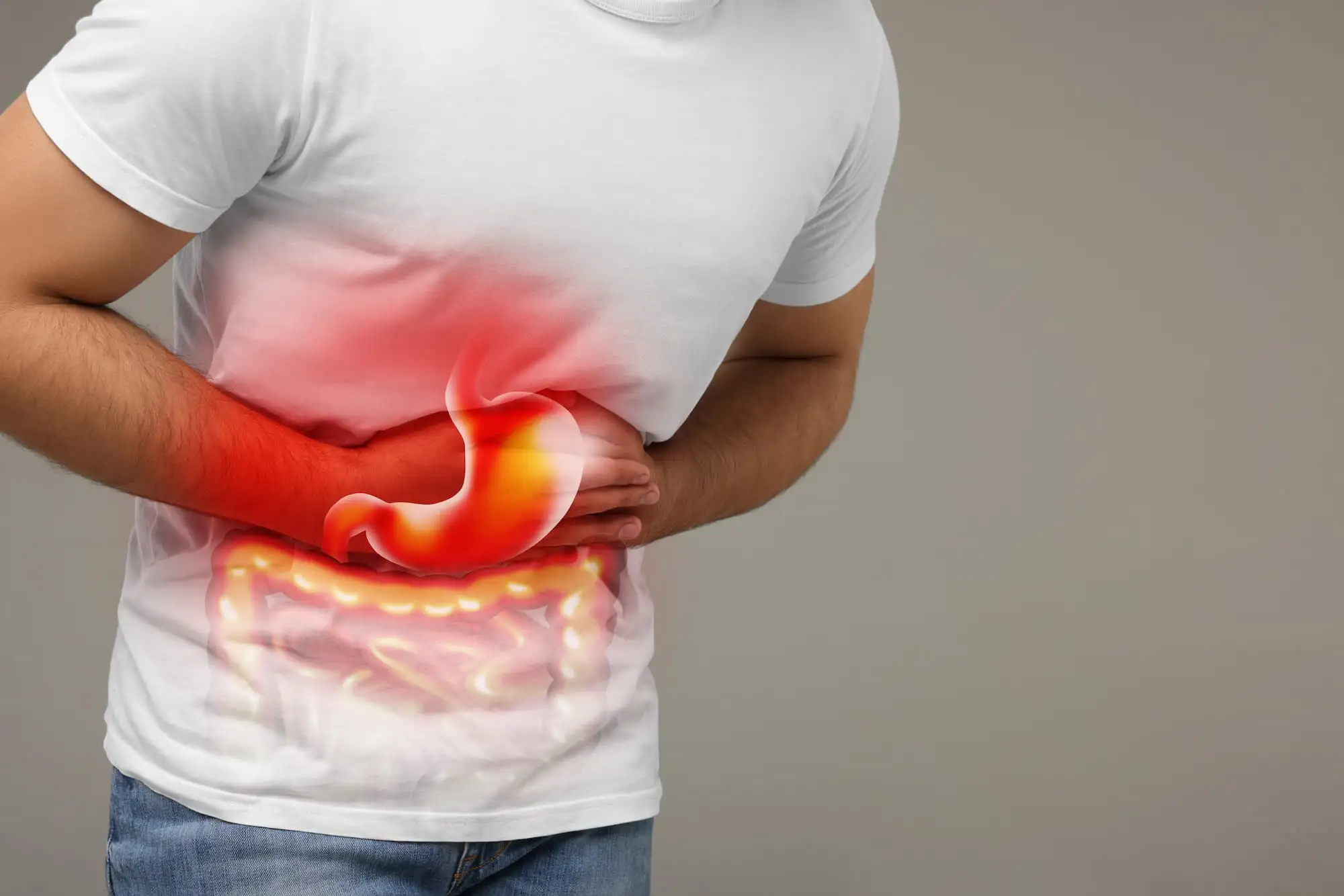
Новые итальянские рекомендации пересматривают подход к лечению функциональной диспепсии, упрощая диагностические критерии, рутинное тестирование на H. pylori и индивидуальные терапевтические рекомендации.
Функциональная диспепсия (ФД) остается часто встречающимся, но нередко недостаточно последовательно курируемым расстройством желудочно-кишечного тракта, что создает неопределенность как в диагностике, так и в принятии терапевтических решений. Для улучшения клинической практики и результатов лечения пациентов междисциплинарная группа итальянских экспертов разработала стандартизированные, основанные на доказательствах рекомендации по диагностике и лечению ФД.
Эксперты, представляющие пять ведущих итальянских научных обществ в области гастроэнтерологии, эндоскопии, нейрогастроэнтерологии и внутренних болезней, провели структурированный процесс достижения консенсуса по методу Дельфи. Инициатива включала всесторонний обзор доступной научной литературы и оценку 24 ключевых клинических утверждений, касающихся диагностики и лечения ФД. Каждая рекомендация получила оценку уровня доказательности с использованием методологии GRADE (системы разработки, оценки и экспертизы степени обоснованности клинических рекомендаций). Критерием консенсуса был уровень согласия среди экспертов не менее 80%.
В целом, рекомендации описывали структурированный, основанный на доказательствах подход, приоритетами которого являются целенаправленные диагностические исследования, эрадикация H. pylori и симптоматические стратегии лечения пациентов с ФД. Достигнутый консенсус ознаменовал важный шаг к стандартизации лечения ФД, переводя имеющиеся данные в практические рекомендации, которые могут способствовать более точной диагностике, рациональным терапевтическим решениям и улучшению результатов лечения пациентов в различных клинических условиях.
Digestive and Liver Disease
Italian guidelines for the diagnosis and treatment of functional dyspepsia - joint consensus from the Italian societies of gastroenterology and endoscopy (SIGE), Neurogastroenterology and motility (SINGEM), hospital gastroenterologists and endoscopists (AIGO), digestive endoscopy (SIED) and general medicine (SIMG)
Giovanni Sarnelli и соавт.















Комментарии (0)