

Categories
Change Password!
Reset Password!


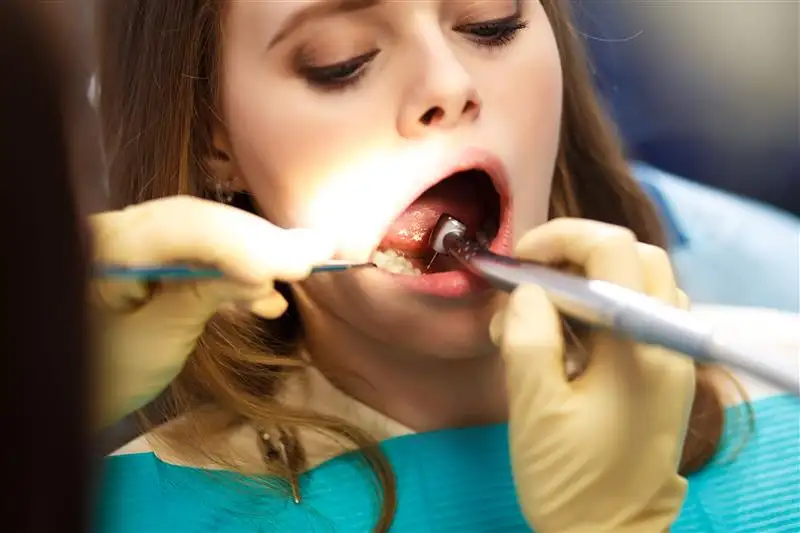
Certain probiotic strains may reduce salivary Streptococcus mutans, improve oral microbial balance, and lower dental caries risk.
A novel systematic review published in "Vascular and Endovascular Review" highlights the growing potential of probiotics as a preventive strategy against dental caries, a widespread global public health challenge driven by microbial dysbiosis in the oral cavity. The review synthesizes current clinical evidence on how targeted probiotic interventions may restore ecological balance within the oral microbiome and diminish caries risk.
Investigators executed an extensive literature search across major databases, including Web of Science, PubMed, Scopus, Embase, and Google Scholar. Eligible studies incorporated randomized controlled trials (RCTs), cohort studies, and systematic reviews. All included studies evaluated probiotics in human populations with reported dental caries outcomes. Data extraction emphasized strain specificity, delivery methods (e.g., lozenges, dairy products, tablets), microbiological alterations in the oral cavity, and caries incidence or progression.
The analysis included 10 RCTs along with multiple systematic reviews. Several probiotic strains demonstrated favorable effects on the oral microbiome and caries-related outcomes:
Across several trials, these strains were related to:
However, outcomes were not universally consistent. Certain interventions failed to show significant benefits, particularly in long-term follow-up assessments. Despite variability in findings, the overall evidence suggests that probiotics are a safe and biologically plausible adjunct for dental caries prevention. Their benefits appear to be strain-specific and influenced by dosage, delivery method, and host-related factors like age and baseline caries risk.
Experts conclude that while probiotics portray meaningful potential in modulating the oral microbiome and reducing cariogenic bacteria, high-quality, long-term trials are fundamental to confirm their potency and establish evidence-based guidelines for routine preventive use.
Vascular and Endovascular Review
The Effect of Probiotics on the Oral Microbiome and Prevention of Dental Caries: A Systematic Review
Saad Abdulaah S Sheehan et al.










Comments (0)