

Categories
Change Password!
Reset Password!


More than half of collegiate athletes experience lateral ankle sprains, and nearly one-third develop clinically defined chronic ankle instability.
A large epidemiological study involving 2,175 collegiate athletes has revealed a substantial burden of lateral ankle sprain (LAS) and chronic ankle instability (CAI) across multiple sports, highlighting the need for sport-specific prevention and management strategies.
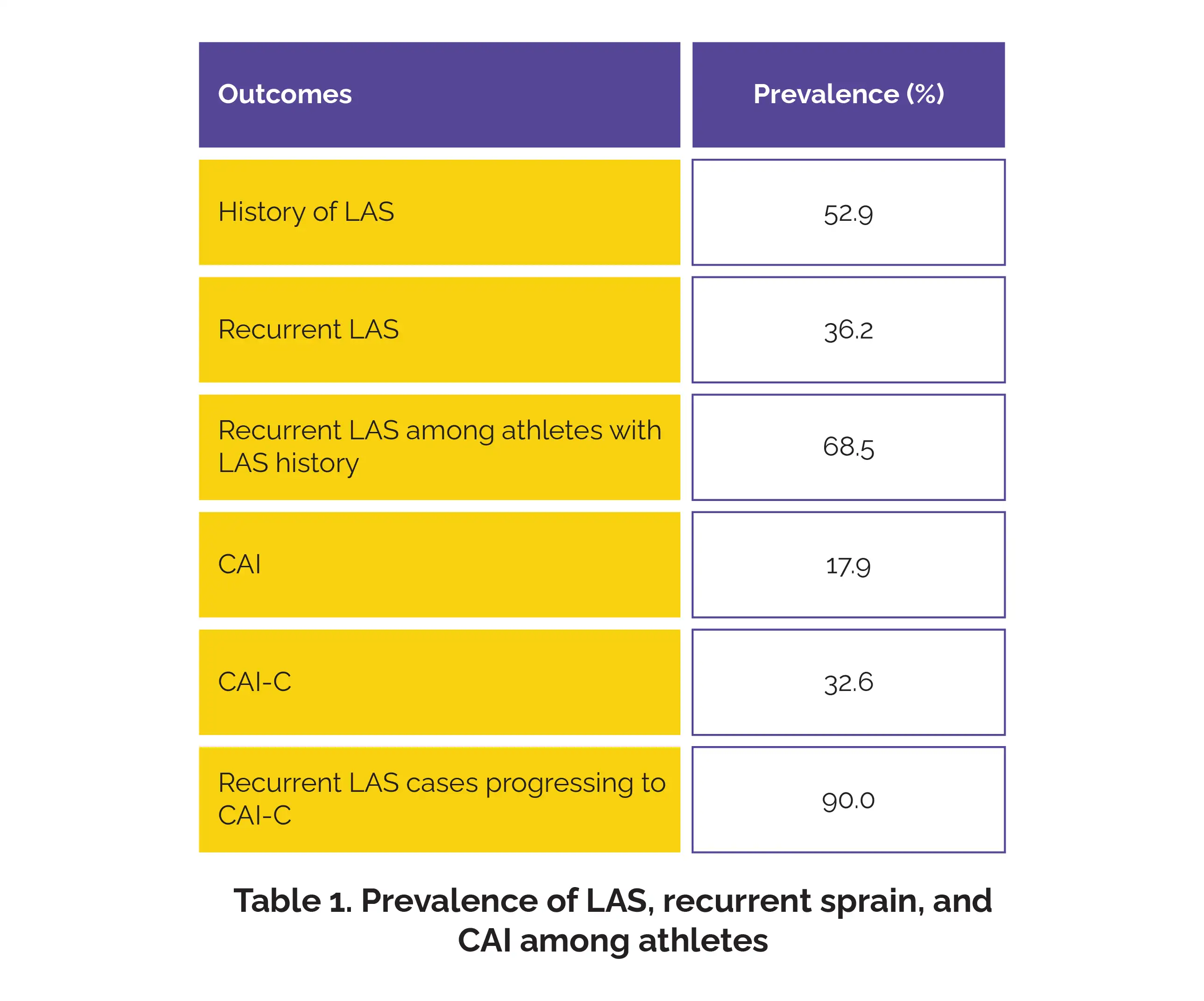
Yosuke Hiroshige and other researchers surveyed 2,175 athletes, including 1,522 men and 653 women, participating in 12 different sports disciplines. Using a structured questionnaire and the Japanese version of the Identification of Functional Ankle Instability, athletes were classified according to criteria established by the International Ankle Consortium (IAC). A history of LAS was common among collegiate athletes, with recurrent sprains occurring frequently among those previously injured.
CAI was identified in a substantial proportion of athletes, while CAI defined by clinical practice criteria (CAI-C) was considerably more prevalent than traditional CAI. Sports such as rugby football, cheerleading, and soccer exhibited notably higher rates of CAI-C when compared with CAI. Recurrent LAS were strongly linked with progression to CAI-C. Sport-specific analysis indicated that CAI was most common in basketball and handball, whereas CAI-C was prevalent across basketball, handball, soccer, and judo (Table 1).
The findings suggest that current research definitions of CAI may not fully capture the clinical population experiencing persistent ankle-related symptoms and functional limitations.
Foot & Ankle Specialist
Prevalence and Sport-Specific Comparison of Lateral Ankle Sprain and Chronic Ankle Instability in 2200 Collegiate Athletes
Yosuke Hiroshige et al.















Comments (0)